
All content on this page is intended strictly for research and educational purposes. Research peptides supplied by Peptides Lab UK are for licensed laboratory and preclinical research use only and are not approved for human administration. Regulatory compliance with UK law — including the Human Medicines Regulations 2012 and MHRA guidelines — remains the responsibility…

William

Important regulatory notice. GHK-Cu is not licensed by the MHRA for human or veterinary use in the United Kingdom. It is supplied to the laboratory market as a research-use-only reference compound. This page is a literature-context review of published research evidence. It is not medical or therapeutic advice. Peptides Lab UK does not endorse any…
Quick Answer Box: Visible improvements include reduced fine lines, firmer skin texture, stronger nails, healthier hair growth, and decreased joint discomfort. These changes typically emerge after 4-12 weeks of consistent supplementation with noticeable effects accumulating over time.
Collagen supplementation has become one of the most discussed wellness interventions in recent years, with millions of people…
$(cat /tmp/wp_content_71855.json | jq -r '.content')

Important regulatory notice. This page is a research-context summary of the regulatory status of GHK-Cu in the United Kingdom. It is not legal or medical advice. Peptides Lab UK supplies research-use-only laboratory reference compounds. Products are not for human or veterinary use.Quick summary. GHK-Cu is not a licensed medicine in the United Kingdom. The…

GHK-Cu has generated interest among researchers investigating various biological systems, including those studying sex-specific responses to peptide compounds. Understanding what GHK-Cu does in male-focused research contexts requires examining the available literature on its mechanisms and relevant applications.Hair and Scalp Follicle Research in MalesOne of the most researched applications of GHK-Cu in male-specific contexts…
Quick Answer Box: GHK-Cu is one of the most studied copper tripeptides in the published in-vitro literature, with a research history going back to the 1970s. Independent reviewers note that most of the headline claims in consumer marketing rely on cell-culture or small-animal data rather than on large UK-licensed clinical trials. This page is a…

GHK-Cu, also known as copper peptide or the GHK tripeptide complex, is a naturally occurring peptide that has become a subject of significant research interest. Understanding what GHK-Cu does requires examining its mechanism of action at the molecular and cellular level.Copper Chelation and TransportAt the core of GHK-Cu's function is its ability to…
Important regulatory notice. This page is a research-context overview of peptides studied in muscle-biology research. It is not personal-use guidance. Most peptides discussed in muscle-research literature are not licensed for human use in the United Kingdom, and several appear on the WADA Prohibited List in sport. Peptides Lab UK supplies research-use-only laboratory reference compounds. Products…
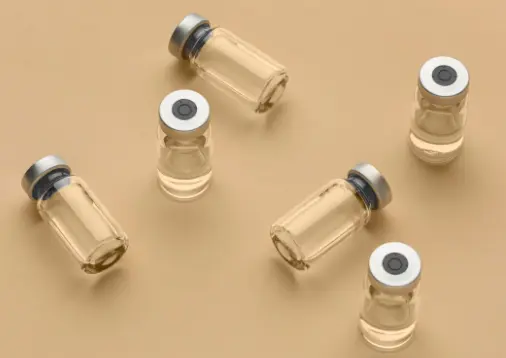
Quick Answer Box: Peptides and testosterone are fundamentally different molecules. Testosterone is a steroid hormone, while peptides are chains of amino acids that may influence hormone production, tissue repair, or metabolic processes through distinct biological pathways.The question "are peptides like testosterone" has become increasingly common among researchers, athletes, and individuals exploring performance enhancement or…
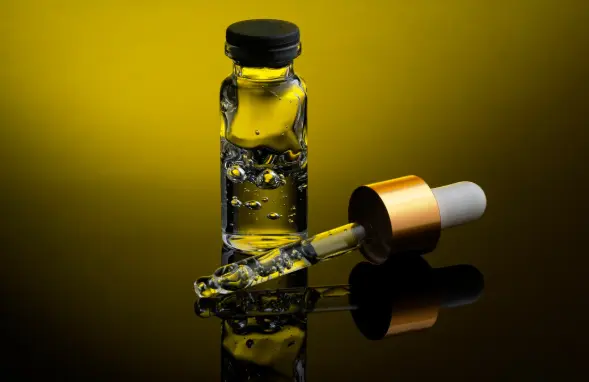
Quick Answer Box: Peptides offer more targeted biological signaling with fewer systemic side effects compared to anabolic steroids, making them safer for specific research applications, though neither should be used without proper medical supervision and regulatory compliance.The debate between anabolic steroids and peptides represents one of the most significant discussions in performance enhancement research…
$(cat /tmp/post_71691_new.txt)

