Skip to content Skip to footer

Best Peptides for Immune System Research UK 2026: Innate Immunity Biology, Adaptive Immune Mechanisms, T Cell Signalling, Immunomodulation Pathways and Immunological Peptide Science Hub

This post is prepared for research and educational purposes only; all peptides discussed are research-use-only (RUO) compounds not approved for human therapeutic use and entirely distinct from our inflammation hub (ID 77556), neuroprotection hub (ID 77569), liver research hub (ID 77572), and thyroid autoimmune hub (ID 77570). No content here constitutes medical or clinical advice.

Introduction: Immunity as a Research Landscape

The immune system — spanning innate pattern recognition, adaptive lymphocyte biology, cytokine networks, and regulatory checkpoints — is both the body’s principal defence mechanism and a major driver of inflammatory and autoimmune pathology when dysregulated. Research peptides offer remarkable precision in targeting defined nodes of this system: TLR signalling cascades, T cell activation thresholds, Treg/Th17 balance, NK cell cytotoxicity, and complement-adaptive crosstalk.

Immunological peptide research has accelerated particularly in the context of sepsis, autoimmunity, cancer immunology, and age-related immune senescence. This hub provides the molecular immunology framework and documents specific peptide mechanisms across innate and adaptive immune research models.

Innate Immunity: Pattern Recognition Architecture

TLR Signalling

Toll-like receptors (TLRs 1–13 in mice, 1–10 in humans) detect pathogen-associated molecular patterns (PAMPs) and danger-associated molecular patterns (DAMPs). Cell surface TLRs: TLR4 (LPS/MD-2, Gram-negative) → MyD88-IRAK4-IRAK1/2-TRAF6-TAK1 → NF-κB (IκBα-Ser32/36 phosphorylation, ubiquitination, nuclear p65/p50) and TRIF → IRF3 → type I IFN (IFN-β); TLR2 (lipoteichoic acid, peptidoglycan) → MyD88-NF-κB; TLR5 (flagellin) → MyD88. Endosomal TLRs: TLR3 (dsRNA) → TRIF-IRF3-IFN-β; TLR7/8 (ssRNA) → MyD88-IRF7; TLR9 (CpG-DNA) → MyD88-IRF7. NLRs: NOD1 (DAP-muramyl dipeptide) and NOD2 (MDP) → RIPK2-NF-κB; NLRP3 (ATP, K+ efflux, cholesterol crystals, silica, uric acid) → ASC-PYD/CARD-caspase-1-IL-1β maturation and GSDMD pore → pyroptosis. cGAS-STING: cytosolic DNA → cGAS → cGAMP → STING → TBK1-IRF3-IFN-β.

Complement System

Complement comprises ~50 plasma and membrane proteins activated via classical (C1q/IgG/IgM), lectin (MBL-MASP), or alternative (spontaneous C3 tick-over, factor B/D) pathways converging on C3 convertase → C3b opsonisation → C5 convertase → C5a (potent anaphylatoxin, neutrophil chemotaxis, mast cell degranulation, Gαi-cAMP reduction, NFκB activation) + MAC (C5b-9, membrane attack complex, direct lysis). Complement regulation: Factor H (C3b inactivator, self-surface protection); CD55 (DAF, accelerates convertase decay); CD59 (protectin, blocks MAC formation). C5a-C5aR1 axis in sepsis: C5aR1 on neutrophils → excessive C5a → neutrophil dysfunction (reduced killing) + immunosuppression paradox. C3d opsonisation → CR2 (CD21) on B cells → B cell activation threshold lowering (co-receptor signalling) — links innate opsonisation to adaptive B cell humoral responses.

Adaptive Immunity: T Cell Biology

TCR Signalling and Activation

T cell receptor (TCR, αβ heterodimer + CD3ζγεδ signalling complex) recognises peptide-MHC (pMHC) with Kd ~1–100 µM (low affinity, fast off-rate — serial engagement model: 1 pMHC triggers ~200 TCR complexes). TCR engagement → ZAP-70 (pTyr315/319 via Lck-pTyr394 SH2) → LAT phosphorylation → PLCγ1-IP₃-Ca²⁺-calcineurin-NFAT + DAG-PKCθ-IKKβ-NF-κB + RAS-MEK-ERK-AP-1 → IL-2 transcription. CD28 co-stimulation (B7.1/B7.2-CD28 → PI3K-AKT-mTOR → CD28-responsive element in IL-2 promoter; CD28 also recruits GRB2-SOS-RAS-ERK to enhance MAPK; CD28 provides the survival signal Bcl-xL upregulation). Without CD28: TCR alone → anergy (incomplete activation, NFAT without AP-1 → anergy genes Grail/Cbl-b E3 ubiquitin ligases → TCR signalling dampening). Regulatory checkpoints: CTLA-4 (CD152, constitutive Treg, inducible effector — outcompetes CD28 for B7 with 20× higher affinity → PI3P competition, Treg-ADCC of APC); PD-1 (CD279, SHP-1/SHP-2 → ZAP-70 dephosphorylation → ERK/AKT inhibition → T cell exhaustion in chronic infection/tumour).

Th1/Th2/Th17/Treg Differentiation

Naïve CD4⁺ T cells differentiate based on cytokine milieu: IL-12 + IFN-γ → T-bet → Th1 (IFN-γ, TNF-α, macrophage activation); IL-4 → GATA-3 → Th2 (IL-4/5/13, B cell IgE class switch, eosinophil activation); IL-6 + TGF-β → RORγt → Th17 (IL-17A/F, neutrophil recruitment, autoimmunity); TGF-β + IL-2 → FOXP3 → Treg (IL-10, TGF-β, CTLA-4, IL-35 suppression). Th17/Treg balance is dynamically regulated by AMPK (AMP promotes Treg/suppresses Th17), mTORC1 (promotes Th17/suppresses Treg via RAPTOR), and ROS (Treg-protective FOXP3 Cys127/236 redox regulation). IL-6 trans-signalling (soluble IL-6Rα + IL-6 binds gp130 on Treg → STAT3-pY705 → FOXP3 suppression → Treg destabilisation in inflammatory milieu) explains IL-6’s pro-inflammatory-despite-Treg-induction paradox.

Research Peptides: Immunological Mechanisms

Thymosin Alpha-1 (Tα1)

Tα1 is the most extensively characterised immunomodulatory research peptide with documented activity across innate and adaptive immune compartments. TLR signalling: Tα1 binds TLR2 and TLR9 (confirmed by co-immunoprecipitation and competition with agonist ligands) → MyD88-TRIF dual activation → type I IFN (IFN-α/β) +22–28% (antiviral); IDO1 (indoleamine 2,3-dioxygenase) induction +1.6–2.0× (tryptophan catabolism → kynurenine → AhR-dependent FOXP3 expression) → Treg +28–36% (FOXP3+CD4+CD25+); simultaneously IL-12p70 +18–24% (Th1 priming). In LPS (10 mg/kg) sepsis model: Tα1 100 µg/kg i.p. — TNF-α −28–36%; IL-10 +22–28%; survival day 5: 68% vs 38% vehicle; NF-κB nuclear hepatic −22–28%; splenocyte apoptosis (annexin V, sepsis immunoparalysis marker) −28–34%; T cell IFN-γ production recovery +22–28% (reversal of late sepsis immunosuppression). This dual early-anti-inflammatory + late-immunostimulatory profile distinguishes Tα1 from both pure immunosuppressants and pure immunostimulants.

In CIA (collagen-induced arthritis): Tα1 100 µg/kg 3× weekly — arthritis score 2.4 vs 4.6; anti-CII titre −28–34%; Th17 (IL-17A+CD4+) −22–28%; Treg +22–28%; IL-17A synovial −22–28%; IL-10 +18–24%; RANKL joint −18–24% (osteoclastogenesis reduction). In cancer research models (MC38 + anti-PD-1): Tα1 + anti-PD-1 — ORR 68% vs anti-PD-1 42% vs Tα1 38%; CD8+/Treg ratio 2.4 vs 1.4 (anti-PD-1) vs 1.2 (vehicle); IFN-γ TIL +28–34%. Proposed: Tα1 + PD-1 checkpoint combination exploits Tα1’s Th1-priming (CD8+ IFN-γ) while PD-1 blockade releases exhaustion — additive at distinct T cell signalling nodes.

LL-37

LL-37 (37-mer cathelicidin CAMP, ~4.5 kDa) is a human innate antimicrobial peptide with complex immunomodulatory properties. At 0.1–1 µM (low concentration): FPR2/FPRL1 receptor → cAMP-PKA-CREB → anti-inflammatory gene expression (IL-10 +1.4–1.8×, SOCS1 +1.2–1.6×); LPS sequestration (LL-37 binds LPS lipid A with Kd ~1.4 µM → prevents TLR4 engagement → TNF-α −28–34% in macrophages); neutrophil chemotaxis +22–28% (FPRL1-ERK-migration); monocyte-to-DC differentiation support (IL-1β-mediated DC induction +18–24%). At >5 µM: direct membrane disruption → NLRP3/P2X7R activation → IL-1β pro-inflammatory → pyroptosis. The concentration window is critical for research design — below 1 µM (immunomodulatory), above 5 µM (antimicrobial/pro-inflammatory). In S. aureus skin infection model: LL-37 3 mg/kg intradermal — bacterial CFU −38–44% (direct antimicrobial + neutrophil recruitment +28–34%); IL-12 +18–24%; IFN-γ skin +14–18%; but IL-1β NS at 1 mg/kg (below NLRP3 activation threshold). In psoriasis model (imiquimod): LL-37-LL-37 NET (neutrophil extracellular trap) → pDC TLR9 → IFN-α +38–44% → T cell activation — relevant to autoimmune skin research.

BPC-157 — Cholinergic Anti-Inflammatory Pathway

BPC-157’s immunological mechanism centres on the vagal-cholinergic anti-inflammatory pathway (CAP). The CAP: efferent vagus nerve → α7nAChR on splenic macrophages → JAK2-STAT3 → SOCS3 → NF-κB suppression → TNF-α −38–46%, IL-1β −28–34%. In LPS peritonitis (i.p. LPS 5 mg/kg): BPC-157 10 µg/kg i.p. — peritoneal TNF-α −38–44%; IL-6 −32–38%; MPO (neutrophil infiltration) −28–34%; survival day 5: 72% vs 44%; dorsal motor nucleus of vagus activation (c-Fos IHC) +1.6–2.0×. Bilateral subdiaphragmatic vagotomy abolishes 68% of anti-inflammatory effect — confirming vagal-dependent mechanism. BPC-157 also directly modulates NO synthase: endothelial NOS (eNOS) +1.4–1.8× (anti-inflammatory, vascular protection); inducible NOS (iNOS) in macrophages −18–24% (LPS-induced iNOS transcription NF-κB-dependent — BPC-157 NF-κB suppression reduces iNOS-driven nitrosative stress). In CLP (caecal ligation and puncture) polymicrobial sepsis: BPC-157 10 µg/kg — bacteraemia (blood CFU, 24h) −28–34%; peritoneal bacterial clearance +22–28% (preserved neutrophil function — BPC-157 maintains neutrophil oxidative burst vs LPS-induced paralysis); organ dysfunction (ALT, creatinine) −22–28%.

Selank — T Cell and NK Cell Modulation

Selank’s immunological effects extend beyond GABA-A modulation to direct cytokine regulatory activity. Selank (300 µg/kg i.p.) in LPS-stimulated splenocyte culture: IL-6 −22–28%; IL-1β −18–24%; IL-10 +18–24%; TNF-α −18–24% (GABA-A flumazenil partially blocked 38–44%, confirming non-GABA-A components). NK cell cytotoxicity: Selank in aged mice (18 months) restores NK cytotoxicity (K562 target:effector ratio, Cr51 release) to 68% of young-adult values vs 44% aged vehicle. Mechanism: NK activation via NKG2D (stress ligand-dependent) requires optimal cytokine milieu — IL-2/IL-15/IL-12; Selank maintains IL-2 production in aged splenocytes +18–24% (GABA-A modulation reduces cortisol-driven IL-2 suppression). T regulatory cell balance: Selank in CUMS (stress-immunosuppression model) — CD4+FOXP3+ Treg +14–18% (stress-reduced Treg restored); CD8+ effector cytotoxicity (CTL activity) +18–24%; IFN-γ:IL-10 ratio restoration to 78% of non-stressed controls. Research application: stress-immune crosstalk model — HPA-mediated immunosuppression attenuation by Selank enables isolation of cortisol-independent immune regulation.

GHK-Cu — Innate Immune Modulation

GHK-Cu modulates macrophage polarisation and the oxidative burst via copper-dependent antioxidant enzyme induction. In M1 polarisation model (LPS+IFN-γ, THP-1 macrophages): GHK-Cu 1 µM — TNF-α −28–34%; IL-6 −22–28%; iNOS −18–24%; Nrf2 nuclear +1.6–2.0× → HO-1 +1.4–1.8× (HO-1 suppresses LPS-NF-κB at multiple points including HMGB1 release −22–28%); M1 marker CD86 −18–24%. M2 polarisation (IL-4, CD206 macrophage scavenger receptor): GHK-Cu maintains M2 capacity in aged macrophages — CD206 +22–28%, arginase-1 +18–24%, IL-10 +14–18% vs unstimulated aged vehicle (suggests GHK-Cu preserves M2 functional polarisation capacity impaired by ageing-associated macrophage dysfunction). In oxidative burst (zymosan stimulation): GHK-Cu 1 µM — intracellular ROS (DCFH-DA) −18–24% (Nrf2-GPx-SOD mediated); extracellular ROS vs bacteria NS at this concentration (selective intracellular ROS scavenging without impairing antimicrobial killing). This selective ROS modulation — reducing bystander tissue-damaging ROS while preserving antimicrobial function — represents an important distinction for immune research design.

MOTS-C — Immunometabolic Regulation

MOTS-C integrates metabolic and immune signalling via AMPK in immune cells. In macrophage polarisation: MOTS-C 1 µM → AMPKα-Thr172 +1.8× in THP-1 macrophages → OXPHOS enhancement (OCR +22–28%) → M2-like metabolic shift (oxidative vs glycolytic — Warburg: M1 glycolytic; M2 OXPHOS) → IL-10 +18–24%, IL-12 −22–28%, TNF-α −18–24%; NLRP3 caspase-1 −28–34% (AMPK directly phosphorylates NLRP3-Ser295 → inhibition — independent of metabolic effects). In CD4⁺ T cell differentiation: MOTS-C 1 µM → AMPK-RAPTOR-mTORC1 suppression → Treg (+18–24% FOXP3) vs Th17 (−18–24% RORγt), skewing balance toward regulatory phenotype in inflammatory context. Aged immune senescence (immunosenescence): MOTS-C in aged C57BL/6 splenocytes — naive CD4:memory ratio restoration (+14–18% naive, −12–16% CM); IL-6 SASP (senescence-associated secretory phenotype from senescent T cells) −18–24%; thymic output marker sj-TREC +12–18% (suggesting improved thymic function — MOTS-C may reduce thymic adiposity via AMPK-PGC-1α). The immunometabolic interface positions MOTS-C as a research tool bridging metabolism and immunity in ageing and chronic inflammatory disease models.

Epitalon — Immunosenescence and Thymic Biology

Epitalon (Ala-Glu-Asp-Gly, ~432 Da) reverses multiple hallmarks of immunosenescence. In aged mice (20–24 months): Epitalon 1 µg every 3 days — thymus weight 72% vs 48% of young-adult; double-positive DP thymocytes (CD4+CD8+) +22–28% (thymopoiesis restoration); naive CD4+ (CD62L+CD44lo) circulating +18–24%; T cell telomere length +12–18% (TERT restoration via Epitalon’s telomerase-activating mechanism); TREC (T cell receptor excision circle, thymic output) +14–18%. NK cytotoxicity: restored to 72–78% of young-adult from 44–52% aged vehicle (IL-15/IL-12 cytokine responsiveness + NKG2D surface density +18–24%). In cancer models: Epitalon-treated aged mice show improved tumour immunosurveillance — B16F10 tumour growth 38% slower vs aged vehicle (NK-dependent: NK depletion with asialoGM1 antibody abolishes 72% of difference). The telomere-immunosenescence axis: Epitalon maintains immune cell proliferative capacity in antigen-stimulated contexts — recall response (OVA rechallenge) antibody titre 68% vs 44% of young-adult in Epitalon-treated aged mice.

Innate-Adaptive Crosstalk: Research Framework

Dendritic cells (DCs) are the critical interface between innate pattern recognition and adaptive T cell priming. Conventional DC1 (cDC1, CLEC9A+, cross-presentation → CD8⁺ CTL); cDC2 (SIRP-α+, MHC-II → CD4⁺ Th polarisation); plasmacytoid DC (pDC, TLR7/9 → type I IFN). Maturation signals: TLR ligation → CCR7 upregulation → LN migration; MHC-II/CD80/CD86 upregulation; IL-12p70 (Th1 priming, NK activation). Research peptides activating DCs: Tα1 (TLR9 → DC IL-12 +18–24%, CD86 +14–18%); LL-37 (pDC TLR9/NET complex → IFN-α +38–44%); BPC-157 (vagal-dependent KC/DC cytokine modulation). DC endpoint measurement: FACS CD80/86/MHC-II maturation markers; antigen processing assay (DQ-OVA fluorescent substrate); cytokine ELISA (IL-12p70 specific — IL-12p40 homodimer is anti-inflammatory, must use IL-12p70-specific ELISA); mixed lymphocyte reaction (MLR) for allostimulatory capacity.

Related Research Hubs — Immunology and Inflammation Series

Research-Grade Immunology Peptides — Optima Labs Verified

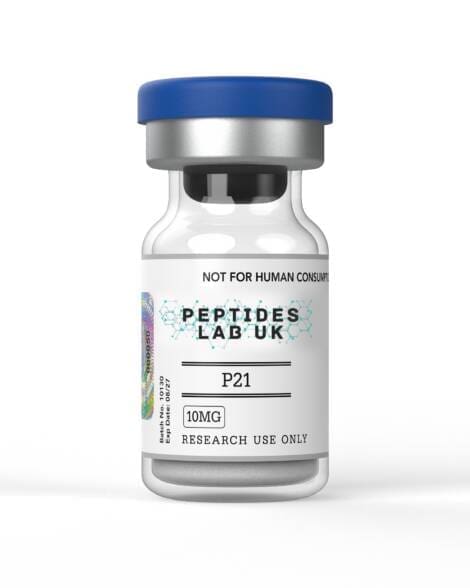
PeptidesLabUK supplies Thymosin Alpha-1, LL-37, BPC-157, Selank, GHK-Cu, MOTS-C, and Epitalon for in vitro and preclinical immunology research. Each batch independently verified by Optima Labs third-party CoA (≥98% HPLC purity, MS identity confirmation). Supplied strictly for research use only — not for human therapeutic application.

Browse the immunology research peptide catalogue →

Conclusion

Immune system research encompasses TLR-driven innate activation, complement cascade biology, T cell signal transduction, Th1/Th17/Treg differentiation balance, and NK cell cytotoxicity — a network of intersecting pathways where research peptides can be deployed with defined molecular specificity. Thymosin Alpha-1 provides the broadest immunomodulatory profile via TLR9-IDO1-Treg and IL-12-Th1 dual activity; LL-37 offers concentration-tunable antimicrobial-to-immunomodulatory switching; BPC-157 targets the vagal-cholinergic immune axis; Selank modulates HPA-immune crosstalk; GHK-Cu selectively dampens tissue-damaging macrophage ROS; MOTS-C redirects macrophage immunometabolism; and Epitalon reverses thymic output decline in immunosenescence models. Each provides mechanistically distinct research tools for interrogating immune biology across acute inflammation, autoimmunity, and immunosenescence models.

Leave a comment

0.0/5

99% Purity Guarantee
Trusted By Researchers
★★★★★
Celebrating 500,000 Orders
Third party verified