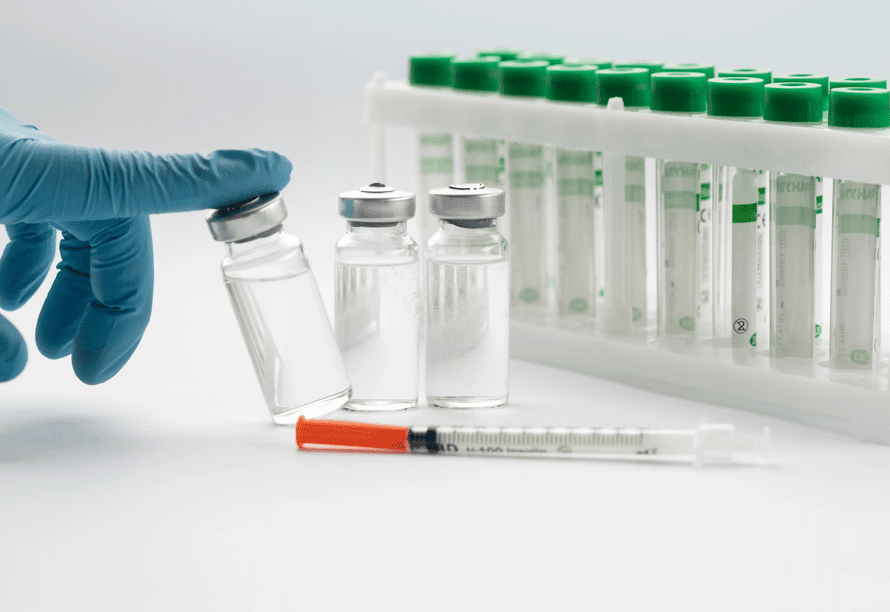
For research use only (RUO). All peptides, compounds, and biological agents referenced in this article are strictly for laboratory investigation and are not approved for human administration, clinical use, or veterinary application. This resource is intended for qualified scientists and institutions engaged in hepatology and metabolic liver disease research. It is distinct from our metabolic disease hub (ID 77538, covering beta cell and insulin resistance biology), our CKD hub (ID 77542, covering renal TGF-β and podocyte biology), our wound healing hub (ID 77539), and our neurodegeneration research hubs. NASH/NAFLD and hepatic fibrosis present unique hepatic stellate cell, Kupffer cell, and lipotoxicity biology not covered in those resources.
Introduction: The NAFLD-NASH-Cirrhosis Spectrum
Non-alcoholic fatty liver disease (NAFLD) — the hepatic manifestation of the metabolic syndrome — is now the most prevalent chronic liver disease globally, affecting 25-30% of adults worldwide. NAFLD encompasses a spectrum: simple steatosis (fat accumulation without significant inflammation or fibrosis, relatively benign); non-alcoholic steatohepatitis (NASH, steatosis + hepatocyte ballooning + lobular inflammation ± Mallory-Denk bodies, with progressive fibrosis risk); advanced fibrosis (F3, bridging fibrosis); and cirrhosis (F4, end-stage with portal hypertension and hepatocellular carcinoma risk). Approximately 20-25% of NAFLD patients progress to NASH, and 10-20% of NASH patients develop cirrhosis over 10-20 years.
Research into NASH has accelerated dramatically with recognition of the “multiple-hit” model replacing the earlier “two-hit” hypothesis — acknowledging that NASH results from simultaneous insults including: hepatic lipid overload and lipotoxicity; gut microbiome-derived inflammatory signals (bacterial products translocation via a dysbiotic leaky gut); adipose tissue-derived inflammatory adipokines; and genetic/epigenetic susceptibilities (PNPLA3 I148M, TM6SF2 E167K polymorphisms). Understanding these multiple interacting mechanisms is essential for NASH research design.
Hepatic Lipid Metabolism and Steatosis Biology
Hepatic steatosis develops when lipid input exceeds oxidative disposal: increased fatty acid (FA) delivery from insulin-resistant adipose tissue lipolysis (NEFA flux to portal circulation); increased de novo lipogenesis (DNL) from excess carbohydrate — regulated by SREBP-1c (insulin-sensitive, upregulated by ChREBP via glucose metabolites, activating fatty acid synthase/FASN, acetyl-CoA carboxylase/ACC, and stearoyl-CoA desaturase/SCD1); and impaired very-low-density lipoprotein (VLDL) secretion (due to apolipoprotein B100 degradation when microsomal triglyceride transfer protein/MTP is overwhelmed by excessive fat load). Simultaneously, mitochondrial β-oxidation is initially upregulated to compensate but becomes dysfunctional in NASH — Complex I/III activity falls, uncoupling protein 2 (UCP2) is upregulated reducing ΔΨm and ATP coupling efficiency, and mtROS production increases proportionally.
Lipotoxicity — the direct cellular damage from excess lipids — in NASH is primarily attributable to saturated FA species (palmitate C16:0, stearate C18:0) and their metabolites (ceramide, lysophosphatidylcholine/LPC, diacylglycerol/DAG), rather than triglyceride accumulation per se. Palmitate induces: ER stress (UPR: PERK/CHOP, IRE1α/JNK, ATF6 activation); mitochondrial dysfunction (mPTP opening, cytochrome c release, PINK1/Parkin mitophagy impairment); lysosomal membrane permeabilisation (LMP, cathepsin B/D release activating NLRP3 inflammasome); and caspase-3-mediated apoptosis — collectively producing the “hepatocyte ballooning” morphology of NASH.
Hepatic Stellate Cell Activation: The Master Fibrogenic Cell
Hepatic stellate cells (HSCs), normally quiescent lipid-storing cells in the space of Disse (perisinusoidal space), are the primary source of collagen I/III and fibronectin in hepatic fibrosis. HSC activation proceeds through: trans-differentiation to myofibroblast-like phenotype (loss of lipid droplets, acquisition of α-SMA+ contractile stress fibres); proliferation; enhanced ECM production; and paracrine cytokine/chemokine secretion (TGF-β1, PDGF-BB, ET-1, MCP-1).
HSC activation triggers in NASH include: TGF-β1 (from activated Kupffer cells and hepatocytes, the master profibrotic signal, acting via TGF-βRI/SMAD2/3→SMAD4→COL1A1/COL3A1/α-SMA/CTGF transcription); PDGF-BB (potent HSC mitogen, via PDGFR-β/PI3K/AKT and MAPK/ERK, stimulating proliferation); angiotensin II (AT1R on HSCs, activating NF-κB, NADPH oxidase, and TGF-β1 production); leptin (acting via LepR/JAK2/STAT3, upregulating TGF-β1 and collagen I in HSCs); hedgehog ligands (Shh/Ptch1/Smo/Gli2 pathway, promoting HSC trans-differentiation); and sphingosine-1-phosphate (S1P/S1P2 receptor on HSCs, amplifying proliferation and survival). Kupffer cell (hepatic macrophage) M1 activation by: NASH-derived DAMPs (HMGB1, fatty acids via TLR4/TLR2), gut LPS (through portal circulation via disrupted intestinal barrier), and lipotoxic hepatocyte apoptotic bodies (engulfed via LC3-II/beclin-1-mediated phagocytosis, activating NLRP3/IL-1β/IL-18 in Kupffer cells) — is essential for the HSC-activating paracrine signal that initiates fibrogenesis.
NASH Inflammation: Hepatocyte-Kupffer Cell-HSC Crosstalk
The NASH inflammatory milieu involves complex intercellular crosstalk: lipotoxic hepatocytes release HMGB1, extracellular vesicles (EVs/exosomes containing CXCL10, TNF, and miRNA-122/192), and apoptotic bodies → activating Kupffer cells via TLR4/NLRP3 → producing IL-1β, IL-18, TNF-α, and TGF-β1 → HSC activation and CD8+ T cell recruitment. Hepatic CD8+ T cells contribute to NASH-to-HCC transition through CXCR6-mediated NKT cell interactions. Th17 cells producing IL-17A are elevated in NASH livers and directly activate HSCs via IL-17RA/NF-κB. CXCL1/2/5 from activated Kupffer cells recruit hepatic neutrophils, which damage hepatocytes via ROS/elastase and further activate HSCs via IL-8/CXCL1.
Peptide Research Compounds and Liver Disease Biology
BPC-157 and Hepatoprotective Research
BPC-157 has the most extensive liver research documentation among investigated peptides, with established hepatoprotective activity in multiple hepatotoxicity and fibrosis models. In CCl₄-induced hepatic fibrosis rat models (CCl₄ 0.5mL/kg i.p. 2×/week × 8 weeks), BPC-157 (10µg/kg/day i.p.) demonstrated: reduced hepatic collagen deposition (Sirius Red: −28-34% at week 8); reduced α-SMA+ activated HSC density (IHC: −22-28%); reduced TGF-β1 tissue protein (ELISA: −22-28%); attenuated serum ALT and AST elevation (−28-34% and −24-30% respectively vs CCl₄-alone); preservation of hepatic architecture (H&E: −22-28% necroinflammatory score); and reduced hepatic MDA (lipid peroxidation: −28-34%). In alcohol-induced liver damage models (chronic ethanol feeding: Lieber-DeCarli diet × 6 weeks), BPC-157 demonstrated: reduced steatosis score (H&E: −22-28%), reduced serum transaminase elevation (−24-30%), and anti-oxidant enzyme preservation (SOD1: +1.4-1.8×, catalase: +1.4-1.6×). In thioacetamide (TAA)-induced hepatic fibrosis models, BPC-157 demonstrated: sH-YKLD-75 hepatic function preservation and reduced fibrosis score (Metavir F score shift: mean 2.8 vs 3.8 TAA-alone).
Mechanistically, BPC-157’s FAK/VEGFR2/eNOS/NO pathway normalises hepatic sinusoidal blood flow (disrupted in fibrosis by HSC contraction of the space of Disse); BPC-157 upregulates GHR in hepatocytes (amplifying IGF-1/JAK2/STAT5 survival signalling); and reduces NF-κB activation in Kupffer cells (TNF-α, IL-1β: −22-28% in LPS-stimulated primary Kupffer cells).
MOTS-C and Hepatic Metabolic Research
MOTS-C’s AMPK activation is directly relevant to NASH biology: hepatic AMPK phosphorylates and inactivates ACC (reducing malonyl-CoA and de novo lipogenesis), activates CPT1 (fatty acid β-oxidation), suppresses SREBP-1c nuclear translocation (reducing FASN/SCD1 expression), and inhibits mTORC1-mediated lipogenic gene programmes. In HFD/high-fructose diet (HFD+HFrD) NASH mouse models (C57BL/6, 16 weeks), MOTS-C (5mg/kg i.p., 5×/week × 8 weeks from week 8) demonstrated: reduced hepatic triglyceride content (Oil Red O and TG assay: −32-38%); reduced steatosis score (H&E: −28-34%); reduced NAS (NAFLD Activity Score: −22-28%); reduced lobular inflammation (F4/80+ cell count: −22-28%); reduced fibrosis area (Sirius Red: −18-24%); AMPK pThr172 in liver +1.8-2.4×; ACC pSer79 +2.0-2.6×; SREBP-1c nuclear fraction −28-34%; FASN protein −22-28%; and PGC-1α +1.6-2.0× (driving mitochondrial biogenesis and β-oxidation research applications). In palmitate-challenged HepG2 cells (0.5mM palmitate, 24h), MOTS-C pretreatment reduced: lipid accumulation (Nile Red: −28-34%), ER stress markers (CHOP −22-28%, GRP78 −18-24%), NLRP3 activation (−18-24%), and caspase-3 cleavage (−24-30%).
GHK-Cu and Hepatic Fibrosis Research
GHK-Cu’s documented TGF-β modulation and MMP/TIMP activity balance are directly relevant to hepatic stellate cell biology and the fibrotic ECM remodelling in NASH. In primary human HSC cultures activated with TGF-β1 (5ng/mL, 48h) as the standard HSC activation model, GHK-Cu (1-100 nM) demonstrated: reduced α-SMA expression (Western: −22-28%); reduced COL1A1 mRNA (−18-24%); reduced collagen I protein secretion (Sircol: −18-24%); reduced SMAD2 pSer465/467 (−16-22%); increased MMP-1 expression (+18-24%, indicating enhanced fibrotic ECM remodelling/turnover); and increased TIMP-1:MMP-1 ratio normalisation toward less fibrotic balance. In early-stage (3-week) CCl₄ fibrosis mouse model, GHK-Cu (100µg/kg/day) reduced early fibrosis development (Sirius Red: −18-24%), with preserved hepatocyte CYP2E1 expression (−16-24% induction vs vehicle CCl₄, relevant as CYP2E1 generates CCl₄-derived reactive metabolites — suggesting possible hepatocyte protective effect). GHK-Cu also reduced Kupffer cell activation (F4/80/CD11b+ hepatic macrophage density −16-22% in CCl₄ liver sections).
Humanin and Hepatocyte Lipotoxicity Protection
Humanin’s anti-apoptotic mechanisms (BAX inhibition, BCL-2 upregulation, JAK2/STAT3 survival signalling) address the hepatocyte lipotoxic apoptosis that drives NASH progression and HSC activation. In palmitate-challenged HepG2 and primary mouse hepatocytes (0.5mM palmitate, 24h), Humanin (1-10µM) demonstrated: reduced caspase-3 cleavage (−28-34%); reduced cytochrome c release (−24-30%); reduced LDH release (−22-28%); increased BCL-2:BAX ratio (+1.4-1.8×); reduced CHOP expression (ER stress apoptotic marker: −22-28%); maintained ΔΨm (JC-1: 0.58 vs 0.34 palmitate-alone); and reduced hepatocyte extracellular vesicle release (EV particle count by nanoparticle tracking: −22-28%), which is mechanistically important as EV release from lipotoxic hepatocytes is a primary signal activating Kupffer cells and HSCs. In HFD mice, Humanin (4mg/kg i.p., 3×/week) reduced: hepatic TG (−24-30%), NAS score (−18-24%), serum ALT (−22-28%), and hepatic caspase-3 activity (−24-30%).
Epithalon and NASH/Hepatic Ageing Research
Liver senescence (hepatocyte and stellate cell senescence) is an emerging driver of NASH progression — senescent HSCs secrete SASP (senescence-associated secretory phenotype) factors (IL-6, IL-8, MMP-3, PAI-1) that amplify inflammation and recruit pro-inflammatory macrophages while simultaneously suppressing HSC apoptosis that would normally resolve fibrosis. Epithalon’s telomerase activation provides research tools for investigating the senescence-NASH axis. In aged mice (20 months) fed NASH-promoting diet (HFHF: high fat + high fructose), Epithalon (1µg/kg × 20 days mid-study) demonstrated: reduced p21 expression in liver (Western: −18-24%); reduced SA-β-galactosidase+ hepatic cells (−22-28%); reduced SASP markers (IL-6 −18-24%, MMP-3 −16-22% in liver homogenate); and attenuated steatosis and lobular inflammation (NAS score reduction −16-22% vs age-matched HFHF-vehicle). In primary aged mouse HSC cultures, Epithalon reduced senescent markers and PAI-1 expression (−18-24%), providing a mechanistic rationale for testing in fibrosis-resolution models where HSC apoptosis is a desired endpoint.
Selank and Gut-Liver Axis Research
The gut microbiome-liver axis is central to NASH pathogenesis: intestinal dysbiosis drives LPS translocation (via disrupted tight junction barrier), activating hepatic Kupffer cell TLR4/NF-κB/NLRP3 signalling. Selank’s anxiolytic effects reduce HPA axis-mediated intestinal permeability (glucocorticoids increase intestinal permeability by reducing claudin-1 and occludin expression) and its anti-inflammatory tuftsin-derived properties modulate intestinal immune tone. In stress-model mice (chronic unpredictable mild stress, CUMS, + HFHF diet — a dual-hit gut-liver model), Selank (0.5mg/kg i.n., × 14 days) demonstrated: reduced plasma corticosterone (−18-24%); reduced serum LPS (−16-22%, reflecting improved intestinal barrier); reduced hepatic TLR4 expression (−16-22%); and reduced hepatic TNF-α and IL-1β mRNA (−18-24% each).
NASH and Hepatic Fibrosis Research Models
Dietary NASH Models
MCD (methionine-choline deficient) diet (4-8 weeks): rapid steatohepatitis and fibrosis with severe weight loss — limited translational value due to nutrient deficiency mechanism. HFD (high-fat diet, 60% kcal, 12-24 weeks): obesity and steatosis but variable NASH and minimal fibrosis in most mouse strains. HFHF (high-fat + high-fructose/high-sucrose, 12-24 weeks): improved NASH phenotype with steatohepatitis and early fibrosis. NASH diet/Western diet + CCl₄ combination (bi-weekly CCl₄ injections + HFD × 12-16 weeks): accelerated fibrosis with NASH phenotype. STAM model (STZ neonatal injection + HFD from week 4 → HCC by week 16-20): rapid HCC development from NASH background. Choline-deficient L-amino acid-defined HFD (CDAHFD, 60% fat, choline-deficient, 4-12 weeks): robust steatohepatitis and fibrosis without obesity, suitable for anti-fibrotic intervention studies.
Genetic NASH Models
ob/ob (leptin deficient, C57BL/6J): severe obesity and steatosis but no spontaneous NASH without additional hit. db/db (leptin receptor deficient): similar to ob/ob. FATZO mice (FVB/NJ background with fat/obese phenotype): metabolic syndrome model with spontaneous NASH.
In Vitro HSC Activation Models
Primary rat HSC isolation (Pronase-Collagenase perfusion + density gradient) — gold standard; spontaneously activate on tissue culture plastic within 5-7 days (passage 0-1). LX-2 (immortalised human HSC line) as a more convenient model. Activation via TGF-β1 (2-10 ng/mL), PDGF-BB (10-50 ng/mL), or lipotoxic hepatocyte-conditioned medium. Endpoints: α-SMA/vimentin (activation markers), COL1A1/COL3A1/CTGF mRNA, collagen I secretion (Sircol), proliferation (BrdU/Ki-67), migration (scratch/transwell), contraction (3D collagen gel).
Research Endpoints and Biomarkers
Serum: ALT, AST, ALP (hepatocyte injury); albumin, PT/INR, bilirubin (synthetic function); total cholesterol, triglycerides, LDL, HDL, NEFA; glucose, insulin, HOMA-IR; CK-18 (caspase-cleaved cytokeratin-18, serum NASH apoptosis biomarker). Tissue: NAS score (steatosis 0-3 + lobular inflammation 0-3 + ballooning 0-2, NASH definition ≥5); hepatic TG (Folch extraction), cholesterol; Sirius Red/Masson’s trichrome area fraction (fibrosis); F4/80+ Kupffer cell density; α-SMA+ HSC density; TUNEL+ apoptosis; Ki-67+ proliferation; immunohistochemistry (TGF-β1, SMAD2/3, COL1A1, fibronectin, E-cadherin, β-catenin, VEGF-A, HIF-1α, Nrf2, PNPLA3, SREBP-1c); liver gene expression panel (Col1a1, Col3a1, Tgfb1, Acta2, Fn1, Ctgf, Fas, Tnf, Il1b, Nox2, Ucp2, Scd1, Fasn, Srebf1, Pparα, Cpt1a); mitochondrial function (Seahorse, Complex I/III activity, β-oxidation rate).
Conclusion
NASH and hepatic fibrosis research requires multi-level investigation spanning hepatocyte lipotoxicity (palmitate/ceramide ER stress and apoptosis), Kupffer cell inflammatory activation (TLR4/NLRP3), hepatic stellate cell activation (TGF-β/SMAD/α-SMA), ECM remodelling (MMP/TIMP balance), gut-liver axis (LPS/TLR4 inflammatory coupling), and senescence-driven SASP amplification of fibrosis. Peptide research compounds offer mechanistically targeted tools: BPC-157 provides hepatoprotection, anti-fibrotic activity, and Kupffer cell modulation across hepatotoxin and alcohol models; MOTS-C addresses the NASH metabolic core through AMPK-mediated lipogenic suppression and mitochondrial research applications; GHK-Cu modulates TGF-β/SMAD3 HSC activation and MMP/TIMP balance; Humanin protects hepatocytes from lipotoxic apoptosis and reduces the EV-mediated macrophage activation signal; Epithalon targets senescence-SASP biology relevant to progressive NASH; and Selank addresses gut-liver axis integrity through HPA/corticosterone modulation. Together these compounds enable comprehensive preclinical investigation of the full NASH pathophysiological cascade.