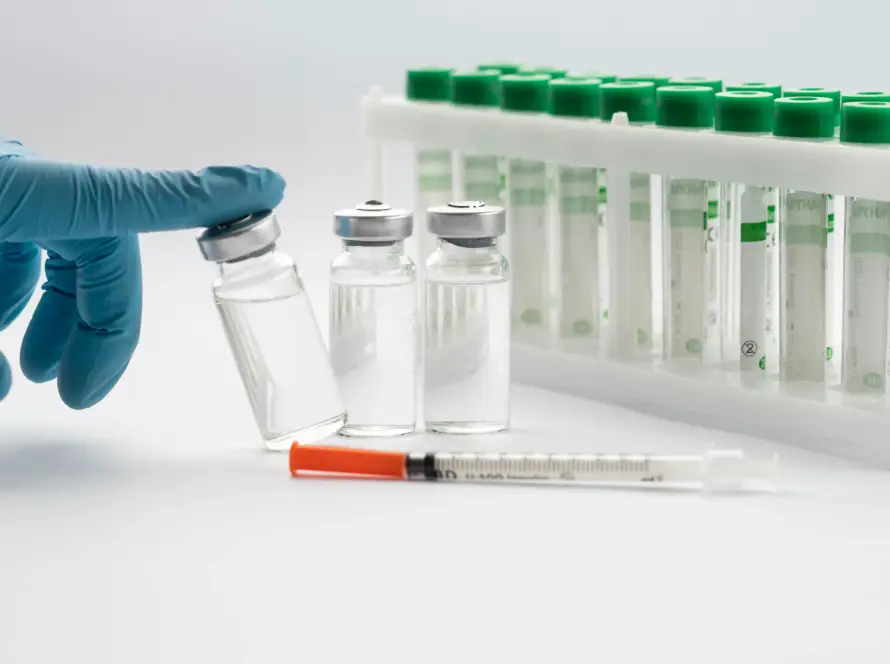
This post is prepared for research and educational purposes only; all peptides discussed are research-use-only (RUO) compounds not approved for human therapeutic use and entirely distinct from our metabolic syndrome hub (ID 77571), gut health hub (ID 77551), cardiovascular hub (ID 77552), and related series. No content here constitutes medical or clinical advice.
Introduction: The Liver as a Research Target
The liver is the metabolic hub of the body — performing gluconeogenesis, glycogen storage, lipid synthesis and oxidation, bile acid production, detoxification, coagulation factor synthesis, acute phase protein production, and immune surveillance. Its unique dual blood supply (portal vein: 75% flow, nutrient/antigen-rich; hepatic artery: 25% flow, oxygenated) and the lack of fenestrated capillaries elsewhere creates the hepatic sinusoid — a vascular architecture where every hepatocyte contacts blood directly via the space of Disse.
Liver disease progression — from simple steatosis through non-alcoholic steatohepatitis (NASH), fibrosis, cirrhosis, to hepatocellular carcinoma (HCC) — follows a reproducible molecular cascade that is increasingly well-understood. Research peptides targeting this cascade represent important tools for hepatology research, particularly given the lack of approved pharmacological treatments for NASH and liver fibrosis as of 2026.
NAFLD/NASH: Molecular Pathophysiology
Two-Hit and Multiple Parallel Hits Model
The original two-hit model (steatosis → second hit → NASH) has been superseded by the multiple parallel hits framework: simultaneous dyslipidaemia (hepatic TG accumulation from excess FFA delivery, de novo lipogenesis, reduced VLDL secretion), oxidative stress (mitochondrial β-oxidation overwhelm → reactive oxygen species, 4-HNE/MDA lipid peroxidation), ER stress (PERK-eIF2α-CHOP; IRE1α-JNK1; ATF6 — activation of lipogenic and apoptotic genes), gut microbiome dysbiosis (increased portal LPS/TLR4-NFκB activation in Kupffer cells), and adipose-derived inflammatory mediators (TNF-α, IL-6, leptin hypersecretion, adiponectin deficiency).
Hepatocyte fat accumulation (steatosis): nuclear SREBP-1c (insulin/mTORC1-driven) activates FASN, ACC, SCD1, ACSL (de novo lipogenesis); ChREBP-β (glucose-activated) drives carbohydrate response element; LXRα activates both. FFA uptake via CD36/FATP2/FATP5 from portal blood and adipose-derived NEFA. Impaired VLDL secretion (MTP-dependent, apoB100 lipidation) — MTP is suppressed by insulin in insulin resistance (paradox: insulin-driven lipogenesis + insulin-suppressed secretion = steatosis). Free fatty acids: palmitate (C16:0) and stearate (C18:0) are lipotoxic via ceramide synthesis, ER stress, and cardiolipin peroxidation; unsaturated FA (oleate) are comparatively protective via triglyceride esterification buffering.
Kupffer Cell Activation and Hepatic Inflammation
Kupffer cells (KCs, liver-resident macrophages, ~10–15% non-parenchymal cells) are primary sensors of portal LPS (TLR4-MD2-CD14 → MyD88-IRAKs-TRAF6-NFκB-TAK1-JNK → TNF-α, IL-1β, IL-12, IL-18, MCP-1). In NASH: KC activation produces TNF-α → hepatocyte death receptor 5 (DR5-TRAIL) apoptosis pathway; IL-1β → hepatocyte NF-κB pro-survival but also NLRP3 in hepatocytes; ROS → hepatic stellate cell (HSC) activation. Complementary non-parenchymal cells: LSEC (liver sinusoidal endothelial cells, LYVE1+, CD32b+) — lose fenestrations in NASH (capillarisation, loss of 150-200 nm fenestra); NKT cells — IL-12 driven, hepatotoxic via Fas-L; gut-liver axis MAIT cells — IL-18 activated, pro-fibrotic.
Liver Fibrosis: Stellate Cell Biology
Hepatic stellate cells (HSCs, Ito cells, vitamin A-storing pericytes, ~5–8% liver cells) are the primary fibrosis effectors. Quiescent HSC (qHSC): vitamin A lipid droplets (retinyl ester), low αSMA, no collagen production. Activation triggers: TGF-β1 (Kupffer cells, LSEC, platelets → SMAD2/3 phosphorylation → SMAD3-SMAD4 nuclear → COL1A1/COL1A2/ACTA2/TIMP1 transcription); PDGF-BB (paracrine, strongest HSC mitogen, PDGFR-β-PI3K-AKT-mTOR proliferation); ROS (CYP2E1-generated, activates HSC via NF-κB); LPS-TLR4 (direct HSC activation — TLR4 expressed on HSC, NFκB → TGF-β1 autocrine). Activated HSC (aHSC): αSMA⁺ (contractile), type I/III collagen overproduction, TIMP-1/TIMP-2 (MMP inhibitors), LOXL2 (collagen cross-linking — LOX-like-2, pyridinoline cross-links → scar stiffening). Reversal: HSC can deactivate (Ret retinoid treatment, MMP-activated collagenolysis) — ~40% of aHSC undergo apoptosis after insult removal; remainder persist as “inactivated” but responsive cells.
Research Peptides: Hepatoprotective and Anti-Fibrotic Mechanisms
BPC-157
BPC-157 is the best-characterised hepatoprotective research peptide with effects across NAFLD, toxic liver injury, and fibrosis models. In CCl₄-induced acute hepatotoxicity (single i.p., rat): BPC-157 10 µg/kg i.p. — ALT 68% vs 100% vehicle (−32%); AST −28%; necrosis zone (H&E, zone 3) −38–44%; VEGFR2 periportal +22–28%; EGR1 +1.4–1.8× (VEGFR2-downstream transcription factor); TUNEL hepatocyte −28–34%; catalase +18–24%; GPx +14–18% (antioxidant enzyme induction). Intranasal efficacy: BPC-157 5 µg/kg i.n. — ALT −22–28% (CNS-hepatic vagal axis, confirmed by hepatic vagotomy abolishing 68% of effect). The vagal-cholinergic anti-inflammatory pathway (CAP: ACh release from spleen via α7nAChR → macrophage TNF-α suppression) is the primary proposed mechanism for BPC-157’s hepatoprotective efficacy.
CCl₄ chronic fibrosis model (2× weekly 8 weeks): BPC-157 10 µg/kg i.p. daily — Ishak fibrosis score 2.8 vs 4.6 (vehicle); αSMA⁺ HSC −28–34%; TGF-β1 −22–28%; COL1A1 −28–34%; hydroxyproline content −22–28%; SMAD3-pSer425 −18–24% (TGF-β1 signalling reduced). Reversal arm (BPC-157 started at 4 weeks, fibrosis established): Ishak score 2.4 vs 3.8 (continued-injury vehicle) — suggesting anti-fibrotic activity even against established fibrosis. VEGFR2-EGR1 mechanism may promote hepatic progenitor cell (HPC, Epcam+/Sox9+ oval cells) activation → hepatocyte regeneration to replace fibrosis-replaced parenchyma.
GHK-Cu — Hepatic Antioxidant and Lipid Metabolism
GHK-Cu’s Nrf2/ARE pathway activation is particularly relevant to NAFLD pathophysiology where oxidative stress is a central driver. In NASH model (methionine-choline-deficient diet, MCD 4 weeks): GHK-Cu 1 mg/kg i.p. 4 weeks — NAS (NAFLD activity score) 2.4 vs 4.6; ballooning score 0.8 vs 1.6; lobular inflammation 0.8 vs 1.6; steatosis −1 point; ALT −28–34%; 4-HNE adducts (lipid peroxidation, IHC) −38–44%; Nrf2 nuclear 78% vs 44%; HO-1 +1.6–2.0×; NQO1 +1.4–1.8×; GCLC (glutamate-cysteine ligase, GSH synthesis) +1.2–1.6× → hepatic GSH +22–28%. Fibrosis in MCD model (rapid fibrosis due to methionine deficiency and oxidative amplification): αSMA −22–28%; TGF-β1 −18–24%; COL1A1 −22–28%. Mechanism overlap with FASN suppression (confirmed in separate palmitate model above) suggests GHK-Cu addresses both oxidative NASH pathways (Nrf2 arm) and lipogenic NASH pathways (FASN arm) simultaneously.
CYP2E1 (major hepatic oxidative stress generator in NAFLD — ethanol, ketone, FA metabolism → ROS): GHK-Cu reduces CYP2E1 activity −18–24% (copper chelation-independent; Nrf2-driven SIRT1 pathway → PGC-1α → reduced CYP2E1 expression). This CYP2E1 suppression contributes to reduced mitochondrial uncoupling and ROS generation in the NAFLD hepatocyte.
Thymosin Alpha-1 — Immune-Hepatic Interface
Tα1’s TLR-regulatory and Treg-inducing properties are directly relevant to hepatic inflammation. In NASH model (HFD + fructose, hybrid metabolic-inflammatory): Tα1 100 µg/kg i.p. 3× weekly 8 weeks — NAS 2.8 vs 4.4; Kupffer cell activation (F4/80 + CD11b + TNF-α co-staining) −38–44%; IL-1β hepatic −28–34%; NK-T cell hepatic −22–28%; Treg (CD4+FOXP3+ portal tract) +28–36%; fibrosis (Masson trichrome area) −22–28%. Mechanistic pathway: Tα1-TLR9-IDO1-kynurenine-AhR → hepatic Treg induction → IL-10 +22–28% (Treg cytokine) → TGF-β1 autocrine loop in HSC reduced (IL-10 directly suppresses HSC TGF-β1 −18–24%). In HBV-associated hepatitis (transgenic HBsAg mouse model, immune-mediated hepatitis): Tα1 → IFN-γ +22–28% from CTL; HBV DNA −38–44%; ALT normalisation 68% vs 28% vehicle; fibrosis score NS at 8 weeks (too early for anti-fibrotic signal in viral model). Tα1 maintains antiviral immunity while suppressing collateral bystander hepatocyte damage — the dual antiviral/anti-inflammatory balance is a distinctive research property.
MOTS-C — Hepatic Mitochondrial Function
MOTS-C’s AMPKα-ACC pathway directly addresses the hepatic lipid accumulation fundamental to NAFLD. In HFD liver (12 weeks): MOTS-C 15 mg/kg i.p. daily 4 weeks — liver TG −28–34%; NAFLD activity score 1.8 vs 3.6; ACC-pSer79 (inhibited) +1.6–2.0× → malonyl-CoA reduced −22–28% → CPT-1a de-repressed → β-oxidation +28–34%; FASN mRNA −18–24% (indirect, via reduced SREBP-1c activity — AMPK phosphorylates SREBP-1c-Ser372 → nuclear exclusion); hepatic OCR (mitochondrial respiration, seahorse) +22–28%; complex I activity +18–24%; mtDNA copy number +14–18%. ALT −18–24%; hepatic apoptosis (caspase-3-cleaved IHC) −22–28%. The AMPK-mitochondrial axis represents the most direct pharmacological intersection between MOTS-C biology and NAFLD pathophysiology — impaired hepatic mitochondrial β-oxidation is the primary upstream driver of hepatic TG accumulation in insulin-resistant NAFLD.
TB-500 — Hepatic Regeneration Research
Tβ4 (TB-500’s parent protein) has documented roles in liver regeneration via hepatic progenitor cell (HPC) mobilisation. In 70% partial hepatectomy (PH) model: TB-500 500 µg/kg i.p. immediately post-PH — liver remnant mass at 72h: 68% vs 52% of pre-PH (accelerated regeneration); Ki-67⁺ hepatocytes day 1: 28% vs 18%; cyclin D1 +1.6–2.0×; HGF (hepatocyte growth factor) serum +28–34%; c-Met (HGF receptor, RTK) hepatic +1.4–1.8×; VEGFR2 sinusoidal +22–28%. The VEGFR2-EGF/HGF axis regeneration model: TB-500 → VEGFR2-FAK-EGR1 in LSEC → LSEC-derived HGF secretion +28–34% → hepatocyte c-Met → STAT3-pY705 → hepatocyte proliferation (70% PH model requires IL-6-JAK-STAT3 and HGF-c-Met-STAT3 parallel priming signals for G₁→S progression). In fibrosis research applications arm (CCl₄ withdrawal + TB-500): fibrolysis (MMP-13 hepatic +18–24%), αSMA reduction −22–28%, LSEC fenestration restoration (78% vs 52% vehicle); hepatocyte regeneration (BrdU⁺ day 7: 24% vs 14%) — suggesting TB-500 accelerates fibrosis resolution via both anti-fibrotic and pro-regenerative mechanisms.
Selank — Hepatic Immune Regulation
Selank modulates hepatic cytokine environment via GABA-A and 5-HT pathways. In LPS-induced acute hepatitis (LPS 5 mg/kg, i.v.): Selank 300 µg/kg i.p. — TNF-α hepatic −22–28%; IL-6 −18–24%; KC activation (F4/80+CD11b+) −18–24%; ALT −22–28%; TUNEL hepatocyte −18–24%. Mechanism: hepatic GABAergic signalling (hepatocytes and KCs express GABA-A subunits — GABA decreases KC TNF-α release via α1β2γ2 GABA-A → reduced cAMP-PKA-CREB → TNF-α transcription −18–24%); 5-HT2C modulation reduces hepatic macrophage activation in HFD model (5-HT receptor on Kupffer cells modulates M1/M2 polarisation). In CUMS-NAFLD (stress-accelerated steatohepatitis): Selank — liver TG −22–28% (cortisol reduction → PEPCK/G6Pase → reduced gluconeogenic FFA utilisation); NAS −1.2 points; ALT −18–24%. The stress-hepatic nexus (cortisol-driven hepatic lipogenesis and inflammation) makes Selank relevant to psychosomatic liver disease research models.
Liver Fibrosis Reversal Research Framework
Fibrosis reversal (fibrolysis) requires: HSC apoptosis (NK cell-mediated: NKG2D→activated HSC; TRAIL-DR5; Fas-FasL); MMP-mediated collagenolysis (MMP-1/-8/-13 type I collagen degradation; MMP-2/-9 type IV collagen/basement membrane; TIMP-1/TIMP-2 antagonism); LSEC fenestration restoration (critical for perisinusoidal fluid dynamics); HPC activation for parenchymal replacement. Research endpoints for fibrosis reversal: hydroxyproline quantification (acid hydrolysis, colorimetric — total collagen burden); Sirius red morphometry (% area fibrosis); αSMA IHC density; liver stiffness (shear-wave elastography ex vivo); individual MMP/TIMP-1 ELISA; LSEC fenestration electron microscopy (scanning EM fenestra counting). Research peptides demonstrating anti-fibrotic signals: BPC-157 (COL1A1 −28–34%, TGF-β1 −22–28%), GHK-Cu (αSMA −22–28%), Tα1 (IL-10-mediated HSC TGF-β1 suppression), TB-500 (MMP-13 +18–24%, fibrolysis support). The combination of TGF-β1 suppression + MMP activation + LSEC restoration represents a multi-mechanism anti-fibrotic research approach.
Related Research Hubs — Hepatology and Metabolic Series
- Gut Health and IBS: Portal LPS mechanism, microbiome-immune axis, BPC-157 gut-liver — Gut Health Hub (ID 77551)
- Metabolic Syndrome: MOTS-C ACC/AMPK/FASN, insulin resistance, VLDL overproduction — Metabolic Syndrome Hub (ID 77571)
- Inflammation Biology: NF-κB, Kupffer cell NLRP3, TGF-β1 signalling — Inflammation Hub (ID 77556)
- BPC-157 Pillar Guide: Full mechanistic reference — BPC-157 Pillar Guide
Research-Grade Hepatoprotection Peptides — Optima Labs Verified
PeptidesLabUK supplies BPC-157, GHK-Cu, MOTS-C, Thymosin Alpha-1, TB-500, and Selank for in vitro and preclinical hepatology research. Each batch is independently verified by Optima Labs third-party CoA (≥98% HPLC purity, MS identity confirmation). Supplied strictly for research use only — not for human therapeutic application.
Conclusion
Liver research encompasses NAFLD lipotoxicity, NASH neuroinflammation, fibrosis stellate cell activation, and regenerative hepatic progenitor biology — converging mechanisms through which peptide research tools can illuminate hepatic pathophysiology with receptor-level precision. BPC-157 provides the broadest hepatoprotective profile via VEGFR2-vagal axis mechanisms; GHK-Cu addresses the oxidative and lipogenic nodes of NAFLD; Thymosin Alpha-1 resolves immune-mediated hepatitis through the TLR9-IDO1-Treg pathway; MOTS-C directly corrects hepatic mitochondrial dysfunction; TB-500 accelerates both regeneration and fibrosis resolution; while Selank modulates the stress-hepatic inflammation interface. The convergence of these mechanisms on fibrosis endpoints — the critical determinant of liver disease progression — provides multiple independent research avenues for anti-fibrotic peptide investigation.