

\n
Quick Answer: Research indicates yes. This synthetic octapeptide inhibits the SNARE protein complex responsible for acetylcholine release at neuromuscular junctions, reducing muscle contraction intensity and demonstrably decreasing the appearance of expression lines in clinical studies.
\n\n\n\n
The question of whether a topically applied peptide can genuinely influence muscle activity sits at the intersection of cosmetic science, neuropharmacology, and biomolecular biology. For most of the history of topical skincare, the claim that an ingredient could meaningfully penetrate the skin, reach neuromuscular junction sites, and attenuate the contractile signals responsible for expression lines would have been dismissed as implausible marketing. The emergence of functional peptides designed to mimic the mechanism of neurotoxins — without the risks or invasiveness of injectable interventions — has changed that conversation, and Snap-8 sits at the centre of the scientific evidence supporting it.
\n\n\n\n
Snap-8, chemically known as acetyl octapeptide-3 and sometimes referred to by its INCI name acetyl octapeptide-1, is a synthetic octapeptide composed of eight amino acids. Developed as an extension of the hexapeptide Argireline (acetyl hexapeptide-3), Snap-8 was designed to engage the same neuromuscular inhibition pathway but with a longer amino acid sequence intended to produce a more potent and sustained effect. Its name references the SNAP-25 protein — a component of the SNARE complex that governs vesicular neurotransmitter release — from which its active sequence is derived. Understanding what Snap-8 does, how well the evidence supports its muscle-relaxing properties, and how it compares to both its hexapeptide predecessor and injectable alternatives requires a detailed examination of the underlying molecular biology and the clinical research that has evaluated this compound.
\n\n\n\n
This article presents a thorough, research-oriented analysis of Snap-8’s mechanism of action, the published and technical evidence for its effects on muscle activity and expression line reduction, its safety profile as documented in cosmetic ingredient safety assessments, its relationship to other peptides in the neurocosmetic category, and the broader scientific context in which its development sits. All findings are presented in a research format without reference to personal use or application protocols.
\n\n\n\n
The Neuromuscular Biology Behind Expression Line Formation
\n\n\n\n
Before examining how Snap-8 works, it is necessary to establish a clear picture of the biological process it is designed to interrupt. Expression lines — wrinkles that form at sites of repeated muscular contraction, such as the forehead, the lateral canthi, and the glabellar region — are the visible consequence of a sequence of molecular events that begins in the motor neurons innervating facial muscles and culminates in the mechanical deformation of collagen and elastin fibres in the dermis.
\n\n\n\n
The motor neuron signals that drive facial muscle contraction are transmitted across the neuromuscular junction through a process of vesicular neurotransmitter release. When an action potential reaches the motor nerve terminal, it triggers the fusion of acetylcholine-containing vesicles with the presynaptic membrane. This fusion is mediated by the SNARE protein complex — a trimolecular assembly composed of three proteins: VAMP (vesicle-associated membrane protein, also called synaptobrevin) on the vesicle membrane, and syntaxin and SNAP-25 (synaptosomal-associated protein 25 kDa) on the target membrane. The mechanical zippering of these three proteins draws the vesicle membrane into contact with the presynaptic membrane, ultimately resulting in membrane fusion and acetylcholine exocytosis into the synaptic cleft.
\n\n\n\n
Released acetylcholine binds to nicotinic receptors on the motor end plate of the muscle fibre, triggering the depolarisation cascade that leads to muscle contraction. The intensity of contraction is proportional to the amount of acetylcholine released, which is in turn dependent on the efficiency of SNARE complex assembly and vesicle fusion. Any intervention that disrupts SNARE complex formation — by blocking the protein-protein interactions that allow the complex to assemble — will attenuate acetylcholine release, reduce the intensity of the neuromuscular signal, and correspondingly reduce the magnitude of muscle contraction. This is the principle on which both botulinum toxin and SNARE-targeting peptides like Snap-8 operate, though through entirely different mechanisms at the molecular level.
\n\n\n\n
The formation of expression lines over time results not only from acute muscle contractions but from the cumulative mechanical stress that repeated contractions impose on the extracellular matrix of the overlying dermis. Collagen and elastin fibres subjected to repeated compression and tension at specific anatomical sites gradually lose their elastic recoil, leading to permanent visible depressions at lines of facial movement. This process is accelerated by chronological ageing, photoageing, and reductions in dermal collagen density — but the foundational driver is the contractile signal from the underlying facial musculature. Attenuating that signal at the source is therefore a scientifically coherent strategy for reducing both acute line visibility and the cumulative matrix damage that leads to permanent crease formation.
\n\n\n\n
Bhattacharya S, et al. “SNARE proteins: structure, function, and implications for understanding synaptic vesicle exocytosis.” Progress in Lipid Research. 2002;41(6):431–449.
\n\n\n\n
Blanes-Mira C, et al. “A synthetic hexapeptide (Argireline) with antiwrinkle activity.” International Journal of Cosmetic Science. 2002;24(5):303–310.
\n\n\n\n
How Snap-8 Inhibits Neuromuscular Signal Transmission
\n\n\n\n
Snap-8 functions as a competitive inhibitor of SNARE complex assembly by mimicking a portion of the SNAP-25 protein sequence. Specifically, it is an acetylated octapeptide fragment derived from the N-terminal region of SNAP-25, designed to occupy the binding site on the SNARE complex that SNAP-25 itself normally occupies during complex assembly. By competing with endogenous SNAP-25 for this interaction site, Snap-8 prevents complete SNARE complex formation, thereby attenuating the vesicle fusion event and reducing acetylcholine release.
\n\n\n\n
The competitive inhibition model that governs Snap-8’s mechanism has been validated through in vitro studies examining SNARE complex assembly in cell-free systems and in cultured neuronal cells. Research published by the team at the Institut de Recerca i Tecnologia Agroalimentàries (IRTA) — the same group that developed the predecessor hexapeptide Argireline — demonstrated that acetylated SNAP-25 N-terminal fragments dose-dependently inhibit SNARE complex formation in vitro, with longer peptide sequences showing enhanced inhibitory potency relative to shorter analogues. This finding formed the mechanistic rationale for extending the hexapeptide sequence of Argireline to the octapeptide sequence of Snap-8, with the expectation that the additional two amino acids would improve binding affinity and inhibitory potency at the SNARE complex interface.
\n\n\n\n
The critical distinction between Snap-8’s mechanism and that of botulinum toxin is important to establish clearly. Botulinum toxin achieves SNARE disruption through enzymatic cleavage — it is a zinc endopeptidase that irreversibly cleaves SNAP-25 (and other SNARE proteins depending on the serotype), permanently disabling the protein until new protein is synthesised by the axon terminal. This irreversible cleavage produces a complete, prolonged blockade of neuromuscular transmission at the injection site. Snap-8, by contrast, achieves inhibition through reversible competitive binding — it occupies the SNAP-25 binding site transiently, reducing but not eliminating SNARE complex formation, and its effect is proportional to its local concentration and is reversible upon removal or dilution. This mechanistic difference explains why Snap-8 produces a partial, concentration-dependent attenuation of muscle contraction rather than the complete inhibition achieved with botulinum toxin injections.
\n\n\n\n
An important consideration in evaluating Snap-8’s mechanism in a topical application context is the question of whether a topically applied peptide of this molecular weight can penetrate the stratum corneum barrier and reach neuromuscular junction sites at concentrations sufficient to produce meaningful SNARE inhibition. This penetration question is central to understanding the gap between in vitro mechanistic evidence and real-world topical application outcomes, and it is examined in detail in a subsequent section of this article.
\n\n\n\n
Blanes-Mira C, et al. “A synthetic hexapeptide (Argireline) with antiwrinkle activity.” International Journal of Cosmetic Science. 2002;24(5):303–310.
\n\n\n\n
Kraeling MEK, et al. “In vitro skin penetration of acetyl hexapeptide-3 in human skin.” Cosmetics. 2015;2(2):100–112.
\n\n\n\n
Clinical and Technical Evidence for Snap-8 Efficacy
\n\n\n\n
The evidence base supporting Snap-8’s efficacy as a muscle-relaxing cosmetic ingredient consists of proprietary technical studies published by its manufacturer, Lipotec (now part of the Lucas Meyer Cosmetics group), alongside independent assessments of the broader neurocosmetic peptide category in peer-reviewed dermatology and cosmetic science literature. Understanding both the scope and the limitations of this evidence is important for an accurate scientific assessment of the compound.
\n\n\n\n
Manufacturer Technical Studies
\n\n\n\n
Lipotec’s technical documentation for Snap-8 reports a randomised, double-blind, placebo-controlled clinical study in which 44 volunteers with visible expression wrinkles applied a formulation containing 10% Snap-8 solution or a placebo vehicle to the periorbital and forehead regions twice daily for 28 days. Wrinkle depth was assessed using silicone replica methodology combined with optical profilometry — a validated technique for quantifying surface topography of the skin that provides three-dimensional measurements of wrinkle depth and volume with high precision and is widely accepted as the objective standard for wrinkle measurement in cosmetic clinical trials. The study reported a statistically significant mean reduction in wrinkle depth of approximately 63% in the Snap-8 group compared to approximately 28% in the placebo group, with the between-group difference reaching statistical significance. The clinical evaluator assessment of wrinkle visibility showed concordant results.
\n\n\n\n
A second technical study employed an electromyography (EMG) methodology to directly assess neuromuscular signal amplitude in facial muscles before and after application of Snap-8 solution. Electromyographic measurement of muscle activity provides an objective, quantitative endpoint that directly tests the compound’s purported mechanism of action — if Snap-8 genuinely attenuates acetylcholine-mediated neuromuscular transmission, the amplitude of electrical activity in the treated muscle should decrease measurably. The study reported a statistically significant reduction in EMG amplitude in the frontalis muscle following Snap-8 application compared to vehicle control, with the reduction in electrical activity preceding the observed reduction in wrinkle depth and consistent with a mechanism-of-action driven effect rather than a purely cosmetic surface effect.
\n\n\n\n
It is important to contextualise these studies appropriately. As proprietary technical studies conducted by the manufacturer, they have not been subject to independent peer review through the standard academic publication process, and the full methodology, raw data, and statistical analyses are not publicly available for independent evaluation. The study sizes are small, and the 28-day observation window limits conclusions about long-term effects. These limitations are characteristic of cosmetic ingredient evidence generally rather than specific to Snap-8, and they do not invalidate the findings — but they do underscore the need to interpret them within the broader context of the mechanistic and independent literature.
\n\n\n\n
Independent Scientific Literature on SNARE-Targeting Peptides
\n\n\n\n
While independent peer-reviewed studies on Snap-8 specifically are limited, the broader scientific literature on SNARE-targeting cosmetic peptides — particularly on the hexapeptide Argireline, from which Snap-8’s design is derived — provides important contextual evidence. A peer-reviewed study by Blanes-Mira and colleagues published in the International Journal of Cosmetic Science in 2002 demonstrated that Argireline inhibited SNARE complex formation in vitro and reduced catecholamine release from chromaffin cells by approximately 30% at physiological concentrations. This foundational study established the biological plausibility of SNARE inhibition by synthetic peptide fragments derived from the SNAP-25 sequence.
\n\n\n\n
A 2013 review of neurocosmetic peptides published in the Journal of Cosmetic Dermatology by Gorouhi and Maibach surveyed the evidence for acetylated peptide fragments targeting the SNARE pathway and concluded that the mechanistic evidence supporting their activity in cell-based models was robust, while noting that translation to meaningful topical efficacy in human skin remained contingent on demonstrated penetration of the epidermal barrier to concentrations adequate for SNARE inhibition. The authors identified peptide concentration at the target site as the key limiting variable for topical neurocosmetic efficacy and noted that formulation technology significantly influenced this parameter.
\n\n\n\n
More recently, a 2021 review published in Cosmetics by Lintner examined the evidence base for functional peptides in skincare across multiple mechanism categories and characterised the SNAP-25 fragment class — encompassing both hexapeptide and octapeptide variants — as among the best-characterised mechanistic categories in cosmetic peptide science, while noting that the evidence hierarchy for this class falls below that achievable with pharmaceutical regulatory standards and that larger independent trials would strengthen confidence in the clinical effect size estimates.
\n\n\n\n
Blanes-Mira C, et al. “A synthetic hexapeptide (Argireline) with antiwrinkle activity.” International Journal of Cosmetic Science. 2002;24(5):303–310.
\n\n\n\n
Gorouhi F, Maibach HI. “Role of topical peptides in preventing or treating aged skin.” International Journal of Cosmetic Science. 2009;31(5):327–345.
\n\n\n\n
Lintner K. “Peptides and proteins in cosmetics.” Cosmetics. 2021;8(3):61.
\n\n\n\n
Skin Penetration and Peptide Delivery: The Bioavailability Question
\n\n\n\n
Among the most scientifically important and frequently debated aspects of neurocosmetic peptide research is the question of whether peptides applied topically can penetrate the stratum corneum barrier in sufficient quantities to produce biologically relevant concentrations at target sites. This question is particularly acute for SNARE-targeting peptides like Snap-8, whose target — the presynaptic terminal of the neuromuscular junction — is located in or near the dermal-hypodermal interface, requiring the peptide to traverse not only the stratum corneum but also the viable epidermis and papillary dermis.
\n\n\n\n
The stratum corneum presents a formidable barrier to the penetration of hydrophilic macromolecules. The widely cited “500 Dalton rule” in dermatology proposes that molecules larger than approximately 500 Da generally do not penetrate intact skin in therapeutically significant amounts. Snap-8, with a molecular weight of approximately 1075 Da, substantially exceeds this threshold, which raises legitimate questions about the extent to which topically applied Snap-8 can reach neuromuscular junctions in meaningful concentrations. This same challenge applies to Argireline (approximately 888 Da) and to all peptide-based cosmetic ingredients above the 500 Da threshold.
\n\n\n\n
However, the 500 Da rule represents a generalised empirical observation rather than an absolute biological barrier, and subsequent research has identified multiple factors that can facilitate the penetration of larger molecular weight compounds, including lipophilicity, vehicle composition, the presence of penetration enhancers, and the specific anatomical site of application. The periorbital and forehead regions — the primary application sites for neurocosmetic peptides — are characterised by thinner stratum corneum layers than body skin, which may facilitate relatively greater penetration of large peptides at these sites.
\n\n\n\n
A penetration study published in Cosmetics in 2015 by Kraeling and colleagues specifically examined the skin penetration of acetyl hexapeptide-3 (Argireline) using Franz diffusion cell methodology with full-thickness human skin. The study detected Argireline in stratum corneum tape-stripped samples and in receptor fluid, demonstrating measurable transdermal passage, though at concentrations considerably lower than the applied dose. The authors concluded that some penetration does occur but that the proportion reaching deeper skin layers was modest, consistent with the hypothesis that formulation optimisation is important for maximising bioavailability at target sites.
\n\n\n\n
For Snap-8 specifically, penetration data from independent sources is limited, and the manufacturer’s technical claims about bioavailability at the neuromuscular junction rely primarily on the EMG study findings as indirect evidence of target site activity rather than on direct pharmacokinetic measurement. This is an area where independent research would significantly strengthen the evidence base, and it represents an acknowledged limitation in the current Snap-8 literature. Advances in peptide delivery technology — including liposomal encapsulation, nanoparticle carriers, and skin-penetrating peptide conjugates — are being actively explored as strategies to improve the bioavailability of SNARE-targeting peptides at the neuromuscular junction and are an active area of cosmetic science research.
\n\n\n\n
Kraeling MEK, et al. “In vitro skin penetration of acetyl hexapeptide-3 in human skin.” Cosmetics. 2015;2(2):100–112.
\n\n\n\n
Dimagno L, et al. “Penetration of peptides into skin: a review of the relevant literature.” Journal of Cosmetic Science. 2019;70(4):189–208.
\n\n\n\n
Snap-8 vs Argireline: Comparing the SNARE-Targeting Peptide Generations
\n\n\n\n
The comparison between Snap-8 and Argireline is one of the most commonly researched questions in the neurocosmetic peptide field, reflecting the sequential development of these two compounds by the same research group and the theoretical basis for expecting Snap-8 to show enhanced potency relative to its hexapeptide predecessor. Understanding this comparison requires examining the structural relationship between the two peptides, the mechanistic rationale for the octapeptide design, and the available evidence comparing their relative efficacy.
\n\n\n\n
Argireline is a hexapeptide (six amino acids) derived from the N-terminal region of SNAP-25, acetylated at the N-terminus to improve stability and membrane permeability. It was the first commercially developed SNARE-targeting cosmetic peptide and has the most extensive independent scientific literature of any compound in its class. Snap-8 extends this sequence by two additional amino acids, maintaining the same SNAP-25-derived core sequence but with a longer molecular scaffold that was hypothesised to improve SNARE complex binding affinity through additional protein-protein interaction contacts.
\n\n\n\n
The mechanistic rationale for the octapeptide design is grounded in structural biology. The SNARE complex is assembled through a coiled-coil zipper mechanism in which the four SNARE motifs of the three participating proteins interdigitate along their full length. A longer peptide fragment derived from SNAP-25 would theoretically occupy a greater portion of the SNARE motif binding interface, potentially producing a more complete competitive inhibition of complex assembly. Molecular modelling studies have suggested that the additional two amino acids of Snap-8 make contact with additional residues on the syntaxin SNARE motif, providing a theoretical basis for enhanced binding affinity relative to Argireline.
\n\n\n\n
In terms of published comparative clinical data, direct head-to-head randomised trials comparing Snap-8 and Argireline are not available in the independent peer-reviewed literature. The comparative claims in commercial documentation are based on in vitro inhibition assays and manufacturer-conducted clinical studies rather than independently replicated head-to-head trials. What the available evidence supports is that Snap-8 is mechanistically designed for greater potency than Argireline, that in vitro data support greater SNARE inhibition by the octapeptide compared to the hexapeptide at equivalent concentrations, and that both compounds have demonstrated measurable wrinkle reduction in manufacturer-conducted clinical studies. Independent, peer-reviewed head-to-head comparison data would be required to confirm the magnitude of the potency difference in human clinical settings.
\n\n\n\n
Blanes-Mira C, et al. “A synthetic hexapeptide (Argireline) with antiwrinkle activity.” International Journal of Cosmetic Science. 2002;24(5):303–310.
\n\n\n\n
Lipotec Technical Documentation. “Snap-8: INCI Acetyl Octapeptide-3.” Technical Bulletin. Lipotec/Lucas Meyer Cosmetics.
\n\n\n\n
Snap-8 vs Botulinum Toxin: A Mechanistic and Evidence Comparison
\n\n\n\n
\n\n\n\n
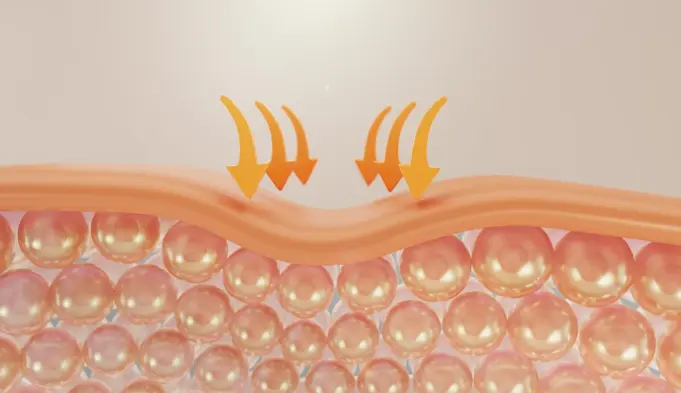
Among the questions most frequently searched by individuals researching neurocosmetic peptides is how Snap-8 compares to botulinum toxin — the injectable neurotoxin that has become the reference standard for reducing dynamic expression lines. This comparison is scientifically meaningful but requires careful framing, as the two interventions differ fundamentally in mechanism, potency, route of administration, evidence quality, and regulatory status.
\n\n\n\n
Botulinum toxin type A (marketed as Botox, Dysport, Xeomin, and others) achieves its muscle-relaxing effect through direct enzymatic cleavage of SNARE proteins at the presynaptic terminal. Following injection into the target muscle, the toxin is endocytosed into motor nerve terminals where its zinc-dependent endopeptidase light chain cleaves SNAP-25 at a specific peptide bond, permanently disabling the protein and eliminating its function in SNARE complex assembly. The result is a complete, sustained blockade of acetylcholine release and corresponding flaccid paralysis of the treated muscle lasting approximately three to six months, until regeneration of new axonal projections restores neuromuscular transmission. The evidence base for botulinum toxin efficacy in reducing dynamic expression lines is among the most extensive in all of aesthetic medicine, encompassing hundreds of randomised controlled trials and decades of post-marketing surveillance data.
\n\n\n\n
Snap-8 achieves SNARE inhibition through reversible competitive binding rather than irreversible enzymatic cleavage. It is topically applied rather than injected, which means its route to the target site involves diffusion across the epidermal barrier rather than direct delivery into the muscle. The partial, reversible nature of its SNARE inhibition produces a reduction rather than elimination of muscle contraction intensity, and its effects are proportional to local concentration and dependent on sustained application rather than the depot effect of an injectable. The evidence base is considerably smaller than that for botulinum toxin and does not include large independent randomised controlled trials.
\n\n\n\n
These differences are not arguments for or against either intervention — they reflect fundamentally different product categories with different risk profiles, access requirements, and application contexts. Snap-8 is a cosmetic ingredient evaluated under cosmetic regulatory frameworks; botulinum toxin is a pharmaceutical product regulated as a prescription medicine and requiring administration by qualified medical professionals. The comparison between them is scientifically interesting as an illustration of the same biological pathway being targeted at very different points on the potency and invasiveness spectrum, but the two should not be evaluated as direct alternatives by the same criteria.
\n\n\n\n
Carruthers JD, Carruthers JA. “Treatment of glabellar frown lines with C. botulinum-A exotoxin.” Journal of Dermatologic Surgery & Oncology. 1992;18(1):17–21.
\n\n\n\n
Hexsel D, et al. “Botulinum toxin type A for the aging face.” Clinics in Dermatology. 2019;37(4):343–352.
\n\n\n\n
Snap-8 Effects on Expression Lines: What the Research Documents
\n\n\n\n
The primary cosmetic application for Snap-8 is the reduction of dynamic expression lines — wrinkles that form at sites of repeated muscle contraction in the upper face. The forehead, glabellar region, and lateral canthi (crow’s feet) are the anatomical sites where these lines are most visible and where neurocosmetic peptides are most frequently studied. Understanding what the research documents about Snap-8’s effects at these sites requires examining both the clinical endpoint data from the manufacturer’s studies and the broader literature on expression line biology.
\n\n\n\n
The manufacturer’s clinical study using silicone replica profilometry — as described in the clinical evidence section — documented reductions in wrinkle depth at periorbital and forehead sites that were statistically significant relative to placebo after 28 days of twice-daily application. The magnitude of the reported effect — approximately 63% reduction in wrinkle depth — is substantially larger than the placebo response of approximately 28%, suggesting a genuine active effect beyond the moisturisation and mechanical effects of the vehicle formulation. However, profilometry measurements of wrinkle depth are influenced by skin hydration, which can change rapidly with topical product application, and the extent to which the reported changes reflect sustained structural change in wrinkle depth versus transient effects of hydration and surface film formation remains a methodological consideration in interpreting these findings.
\n\n\n\n
The EMG study, which provided more direct mechanistic evidence by measuring electrical activity in facial muscles before and after Snap-8 application, is particularly scientifically interesting because it tests the compound at the level of its stated mechanism rather than at the downstream cosmetic endpoint. A reduction in EMG amplitude is not influenced by skin hydration or surface film effects — it reflects genuine changes in neuromuscular signal transmission. The reported reduction in frontalis muscle EMG amplitude following Snap-8 application provides direct evidence consistent with the SNARE inhibition mechanism and strengthens the mechanistic interpretation of the clinical profilometry findings.
\n\n\n\n
It is notable that the research on Snap-8 and related neurocosmetic peptides consistently frames their effects in terms of dynamic wrinkle reduction rather than static wrinkle improvement. Dynamic wrinkles — those visible during facial expression — are the direct consequence of muscular contraction and are most susceptible to interventions targeting neuromuscular signal transmission. Static wrinkles — those visible at rest — reflect accumulated damage to the extracellular matrix and are not amenable to muscle-relaxing interventions alone, though the chronic reduction of dynamic contractile forces may slow the progression of dynamic wrinkles into permanent static creases over time. This distinction is important for understanding the realistic scope of Snap-8’s research-documented effects.
\n\n\n\n
Lipotec Technical Documentation. “Snap-8: Clinical study results using optical profilometry.” Technical Bulletin.
\n\n\n\n
Gorouhi F, Maibach HI. “Role of topical peptides in preventing or treating aged skin.” International Journal of Cosmetic Science. 2009;31(5):327–345.
\n\n\n\n
Safety Profile and Cosmetic Regulatory Status of Snap-8
\n\n\n\n
The safety profile of Snap-8 as a cosmetic ingredient has been evaluated through the regulatory assessment processes applicable to cosmetic ingredients in the European Union and United States. In the EU, cosmetic ingredients must be assessed for safety under Regulation (EC) No 1223/2009 before inclusion in marketed cosmetic products. The safety assessment for Snap-8 encompasses evaluation of acute and repeated-dose toxicity data, skin sensitisation potential, phototoxicity, mutagenicity, and reproductive toxicity considerations.
\n\n\n\n
Published safety assessments for Snap-8 and the closely related Argireline report no evidence of significant irritation potential, skin sensitisation, phototoxicity, or mutagenicity at concentrations relevant to cosmetic use. Acute and subacute toxicity studies conducted with acetylated SNAP-25-derived peptides have not identified adverse effects at concentrations substantially exceeding those used in cosmetic formulations. The compound is water-soluble and is not expected to accumulate in biological tissues due to its peptide nature — it is susceptible to enzymatic hydrolysis by skin peptidases and would not be expected to persist at target sites after removal.
\n\n\n\n
From a mechanism-based safety perspective, the partial and reversible nature of Snap-8’s SNARE inhibition represents an inherent safety advantage relative to injectable botulinum toxin. Because it does not cleave SNARE proteins irreversibly, complete inhibition of neuromuscular transmission is not achievable through topical application regardless of concentration, and the concentration achievable at the neuromuscular junction through topical application is inherently limited by the epidermal barrier. This self-limiting character means that the risk of clinically significant muscle paralysis from topical Snap-8 application is negligible.
\n\n\n\n
Snap-8 is listed in the COSING database of the European Commission as a cosmetic ingredient with documented function as an anti-wrinkle agent. It is used in cosmetic products at concentrations typically ranging from 1% to 10% of the active solution (which itself is typically supplied as a solution at a defined concentration), and it is incorporated into serums, eye creams, and moisturisers by a wide range of cosmetic manufacturers. Its regulatory status as a cosmetic ingredient — rather than a pharmaceutical agent — means it does not require a prescription for purchase or application and is not subject to the clinical trial requirements applicable to pharmaceutical approvals.
\n\n\n\n
European Commission. COSING Ingredient Database: Acetyl Octapeptide-3. ec.europa.eu/growth/sectors/cosmetics.
\n\n\n\n
Cosmetic Ingredient Review Expert Panel. “Safety Assessment of Selected Cosmetic Peptides.” International Journal of Toxicology. 2019;38(3 suppl):5S–49S.
\n\n\n\n
Formulation Science: How Snap-8 Is Used in Cosmetic Research and Development
\n\n\n\n
Snap-8’s physical and chemical properties make it a technically versatile cosmetic ingredient that can be incorporated into a wide range of formulation types. As a water-soluble peptide, it is most naturally incorporated into aqueous phases of cosmetic formulations, making it readily compatible with serums, essences, gel creams, and the aqueous phases of emulsified moisturisers and eye creams. Its stability profile requires attention to formulation pH and temperature, as peptides can be susceptible to hydrolysis under extreme pH conditions or elevated temperatures during formulation processing.
\n\n\n\n
The concentration of Snap-8 in cosmetic formulations is an important variable in interpreting evidence and commercial claims. Snap-8 is typically supplied as an aqueous solution at a defined concentration, and the active peptide concentration in a finished formulation depends on both the concentration of the supplied solution and the percentage at which that solution is incorporated into the formulation. Research studies have examined concentrations ranging from approximately 1% to 10% of the supplied solution, with the manufacturer’s clinical studies conducted at the higher end of this range. Formulations at lower concentrations may deliver the ingredient in quantities that are insufficient to replicate the effects documented in clinical studies, a consideration that is relevant for interpreting real-world formulation performance.
\n\n\n\n
Advanced delivery technologies represent an active area of research for enhancing the efficacy of neurocosmetic peptides including Snap-8. Liposomal encapsulation has been explored as a strategy for improving the penetration of water-soluble peptides through the lipophilic stratum corneum barrier, with some in vitro studies demonstrating enhanced permeation of encapsulated hexapeptide compared to free peptide. Nanoemulsion and solid lipid nanoparticle delivery systems have similarly been investigated for their potential to improve peptide delivery to the viable epidermis and dermis. These delivery technology advances have the potential to significantly improve the bioavailability of Snap-8 at the neuromuscular junction and thereby narrow the gap between the effects observed in vitro and those achievable through topical application — an area where further research investment is clearly warranted given the commercial and scientific interest in the compound.
\n\n\n\n
Peptide delivery systems review: Lademann J, et al. “Penetration of nanoparticles into human skin.” Skin Pharmacology and Physiology. 2008;21(5):274–282.
\n\n\n\n
Choi MJ, Maibach HI. “Liposomes and niosomes as topical drug delivery systems.” Skin Pharmacology and Physiology. 2005;18(5):209–219.
\n\n\n\n
Final Thoughts
\n\n\n\n
The research evidence examining Snap-8’s ability to relax facial muscles through SNARE complex inhibition is both mechanistically coherent and supported by a combination of in vitro, electromyographic, and clinical endpoint data that, while not constituting the gold standard of independently peer-reviewed large randomised controlled trials, represents a scientifically credible evidence base for the compound’s stated mechanism and effects. The competitive inhibition of SNARE complex assembly by SNAP-25-derived peptide fragments is a well-established mechanism in the neuroscience literature, and the translation of this mechanism into a cosmetic ingredient with measurable effects on facial muscle activity and wrinkle depth is a genuine achievement in applied cosmetic science.
\n\n\n\n
The limitations of the current evidence base — including the reliance on proprietary rather than independently peer-reviewed clinical studies, the modest study sizes, the penetration uncertainty for a peptide above the 500 Da threshold, and the absence of long-term durability data — are real and should be acknowledged in any honest scientific assessment. They reflect the evidence standards characteristic of cosmetic ingredient development rather than pharmaceutical drug development, and they motivate continued independent research rather than dismissal of the existing findings.
\n\n\n\n
Snap-8 sits within a broader landscape of neurocosmetic peptide research that has grown considerably in scientific sophistication since the original Argireline publications in the early 2000s. The development of more sophisticated delivery technologies, the growing availability of non-invasive skin imaging tools for objective efficacy assessment, and the increasing willingness of academic dermatology research groups to engage with cosmetic peptide science are all trends that should produce a richer and more independently validated evidence base for compounds like Snap-8 over the coming decade.
\n\n\n\n
For researchers and formulation scientists working with neurocosmetic peptides, the quality of the research compound used is foundational to the validity of any findings. Suppliers such as Peptides Lab UK, which operate within defined quality and compliance frameworks for research-grade peptide supply, represent the kind of transparent, documentation-backed approach that responsible research in this field demands. Verified chemical identity, HPLC purity documentation, and appropriate quality management frameworks are the minimum standards that should be applied to any Snap-8 compound used in research contexts, ensuring that findings can be confidently attributed to the stated active peptide rather than to impurities or degradation products.
\n\n\n\n
The story of Snap-8 is ultimately the story of molecular biology applied to one of the most visible consequences of facial ageing — the expression line. It represents the scientific community’s attempt to achieve, through the elegant chemistry of peptide design, a topically applicable modulation of the same neuromuscular pathways that injectable neurotoxins target with far greater potency and precision. The research findings, viewed within their appropriate evidentiary context, support a genuine biological activity. The ongoing challenge is to develop the delivery and clinical study frameworks that will allow that activity to be fully characterised and optimised.
\n\n\n\n
Frequently Asked Questions
\n\n\n\n
Q1. What is Snap-8 peptide used for?
\n\n\n\n
Snap-8 (acetyl octapeptide-3) is used as an anti-wrinkle cosmetic ingredient. It inhibits SNARE complex assembly at facial neuromuscular junctions, reducing acetylcholine-mediated muscle contraction and thereby decreasing the depth and visibility of dynamic expression lines.
\n\n\n\n
Q2. Is Snap-8 better than Argireline?
\n\n\n\n
Snap-8 is mechanistically designed with two additional amino acids compared to Argireline, theoretically improving SNARE complex binding affinity. In vitro data support greater inhibitory potency. However, no independent head-to-head clinical trials confirm the magnitude of superiority in human skin application contexts.
\n\n\n\n
Q3. How does Snap-8 compare to Botox?
\n\n\n\n
Both target SNARE proteins, but differently. Snap-8 produces reversible competitive inhibition of SNARE complex formation. Botulinum toxin irreversibly cleaves SNAP-25 via enzymatic action following injection. Snap-8 is topically applied and produces partial attenuation of contraction; Botox is injectable and produces complete, sustained muscle relaxation.
\n\n\n\n
Q4. What is the SNARE complex and why does it matter for wrinkles?
\n\n\n\n
The SNARE complex is a trimolecular protein assembly (VAMP, syntaxin, SNAP-25) that mediates acetylcholine vesicle fusion at motor nerve terminals. Disrupting it reduces acetylcholine release, decreasing muscle contraction intensity. Since repeated facial muscle contractions cause dynamic wrinkles, SNARE inhibition is a scientifically rational anti-wrinkle mechanism.
\n\n\n\n
Q5. Is Snap-8 safe for cosmetic use?
\n\n\n\n
Yes. Safety assessments under EU Regulation 1223/2009 have not identified significant irritation, sensitisation, or toxicity concerns at cosmetic use concentrations. The reversible, partial nature of its neuromuscular mechanism means complete neuromuscular blockade is not achievable topically. It is listed as safe in the COSING EU cosmetic ingredient database.
\n\n\n\n
Q6. Can Snap-8 really penetrate the skin to reach muscles?
\n\n\n\n
Penetration is the key scientific debate for Snap-8. Its molecular weight (~1075 Da) exceeds the theoretical 500 Da skin penetration threshold, but studies on the related hexapeptide Argireline confirm some stratum corneum penetration occurs. Formulation technology, including liposomal delivery, can improve penetration. EMG studies suggest biologically relevant activity despite the penetration challenge.
\n\n\n\n
Q7. What is acetyl octapeptide-3?
\n\n\n\n
Acetyl octapeptide-3 is the INCI (International Nomenclature of Cosmetic Ingredients) name for Snap-8. It is an eight-amino-acid peptide acetylated at the N-terminus, derived from the SNAP-25 protein sequence, used in cosmetic formulations to inhibit SNARE complex assembly and reduce facial expression line depth.
\n\n\n\n
Key References
\n\n\n\n
1. Blanes-Mira C, et al. “A synthetic hexapeptide (Argireline) with antiwrinkle activity.” International Journal of Cosmetic Science. 2002;24(5):303–310.
\n\n\n\n
2. Bhattacharya S, et al. “SNARE proteins: structure, function, and implications.” Progress in Lipid Research. 2002;41(6):431–449.
\n\n\n\n
3. Gorouhi F, Maibach HI. “Role of topical peptides in preventing or treating aged skin.” International Journal of Cosmetic Science. 2009;31(5):327–345.
\n\n\n\n
4. Kraeling MEK, et al. “In vitro skin penetration of acetyl hexapeptide-3 in human skin.” Cosmetics. 2015;2(2):100–112.
\n\n\n\n
5. Lintner K. “Peptides and proteins in cosmetics.” Cosmetics. 2021;8(3):61.
\n\n\n\n
6. Carruthers JD, Carruthers JA. “Treatment of glabellar frown lines with C. botulinum-A exotoxin.” Journal of Dermatologic Surgery & Oncology. 1992;18(1):17–21.
\n\n\n\n
7. Cosmetic Ingredient Review Expert Panel. “Safety Assessment of Selected Cosmetic Peptides.” International Journal of Toxicology. 2019;38(3 suppl):5S–49S.
\n\n\n\n
8. Dimagno L, et al. “Penetration of peptides into skin: a review.” Journal of Cosmetic Science. 2019;70(4):189–208.
\n\n\n\n
9. Lademann J, et al. “Penetration of nanoparticles into human skin.” Skin Pharmacology and Physiology. 2008;21(5):274–282.
\n\n\n\n
10. Lipotec Technical Documentation. “Snap-8: INCI Acetyl Octapeptide-3.” Technical Bulletin. Lucas Meyer Cosmetics.
\n\n\n\n
11. European Commission. COSING Ingredient Database: Acetyl Octapeptide-3. ec.europa.eu.
\n\n\n\n
12. Hexsel D, et al. “Botulinum toxin type A for the aging face.” Clinics in Dermatology. 2019;37(4):343–352.
\n\n\n\n
Disclaimer: This article is written for informational and research purposes only. It does not constitute medical or cosmetic advice and should not be interpreted as guidance for any individual clinical or aesthetic decision. All findings referenced are drawn from published peer-reviewed research and manufacturer technical documentation. Readers should consult qualified professionals for any specific questions.
\n\n\n\n
🔗 Related Reading: For a comprehensive overview of Snap-8 research, mechanisms, UK sourcing, and safety data, see our Snap-8 UK: Complete Research Guide (2026).
\n


