Quick Answer Box: Research-grade oxytocin is safe when handled properly in laboratory settings with appropriate protocols. Always verify purity through third-party testing, follow institutional safety guidelines, and ensure compliance with regulatory requirements for research peptides.
Oxytocin, a naturally occurring peptide hormone, has garnered significant interest in research settings for its potential roles in social bonding, stress regulation, and reproductive functions. As a research chemical, oxytocin is used in various experimental protocols, often to study its effects on mammals, including humans. With the rising curiosity and the availability of peptides like oxytocin, many laboratories and institutions inquire about the safety and regulatory considerations surrounding its use. If you’re looking to buy oxytocin for research purposes in the UK, understanding the guidelines and safety considerations is essential. This article explores whether oxytocin is safe for research, how it functions biologically, and important protocols and legal considerations to keep in mind.
Table of Contents
How Does Oxytocin Work in Research Settings?
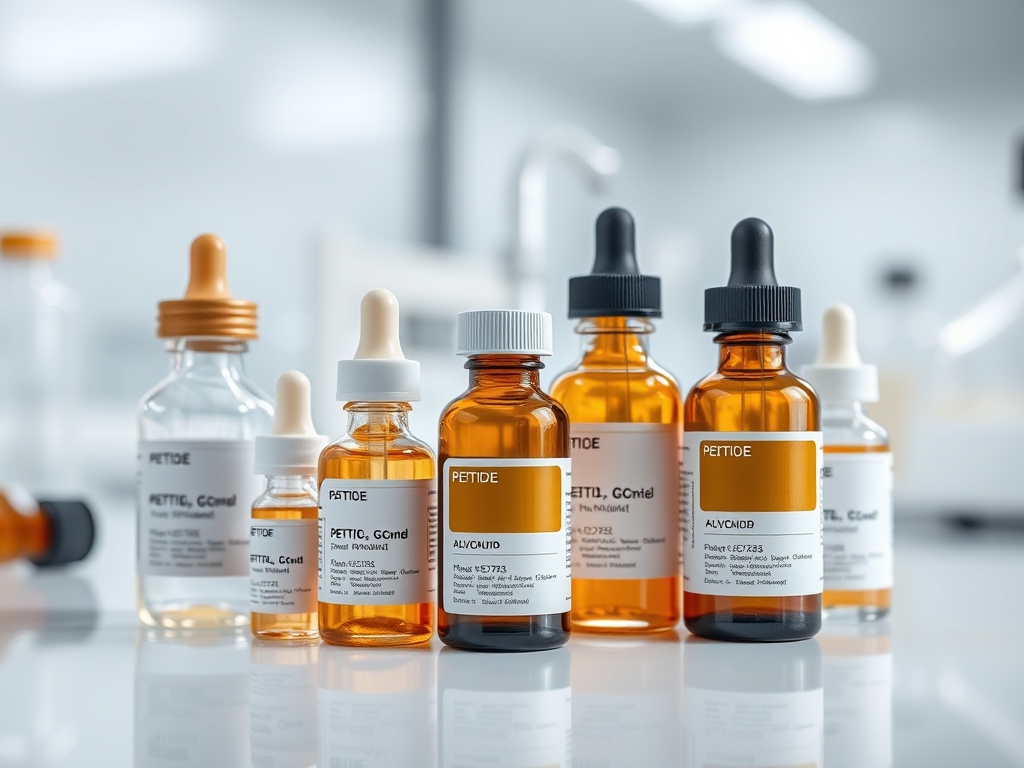
Oxytocin exerts its effects primarily by binding to oxytocin receptors found in the brain and reproductive tissues. When administered in research settings, it can influence behaviors, social interactions, and physiological responses, making it a valuable tool for scientists. The peptide’s mechanism involves crossing cell membranes to activate receptor sites, leading to intracellular signaling cascades. The duration of its action depends on the dose, route of administration, and formulation used in experiments.
How Long Does Oxytocin Take to Work?
Typically, effects can be observed within minutes after administration, with peak activity occurring around 30–60 minutes.
What Is Oxytocin’s Half-Life?
The half-life in blood plasma is approximately 3–5 minutes, but its effects can last longer due to receptor activation.
What Is Oxytocin’s Mechanism of Action?
It functions by binding to specific G-protein-coupled receptors, influencing neural circuits involved in social and reproductive behaviors. According to research published in Nature, oxytocin plays a critical role in modulating social cognition and behavioral responses across mammalian species.
Why Is Oxytocin Becoming So Popular in Research?
Interest in oxytocin research has surged across platforms like Reddit and PubMed, with recent publications exploring its potential in social neuroscience and behavioral studies. Popular science discussions on TikTok and other social media have also contributed to increased curiosity. Compared to other peptides like BPC-157 or TB-500, oxytocin’s well-characterized receptor system and observable effects make it appealing for research. Peptides Lab UK is trusted by hundreds of laboratories across the UK for supplying high-quality, compliant peptides used in research environments, ensuring the integrity and safety of experimental outcomes.
What Are the Main Safety Considerations When Using Oxytocin in Laboratory Research?
Safety considerations for oxytocin research extend beyond basic handling protocols to encompass comprehensive laboratory management practices. Research facilities must establish clear standard operating procedures that address every aspect of peptide handling, from initial receipt to final disposal. Personnel training is paramount, as even experienced researchers require specific instruction on oxytocin’s unique properties and potential hazards in experimental settings.
Temperature control represents a critical safety factor that directly impacts both research outcomes and laboratory safety. Research-grade oxytocin degrades rapidly when exposed to improper storage conditions, potentially compromising experimental validity and creating waste disposal challenges. Laboratories should maintain dedicated refrigeration units with continuous temperature monitoring and backup systems to prevent peptide degradation during power outages or equipment failures.
Cross-contamination prevention protocols are essential when working with oxytocin alongside other research peptides. Designated equipment, clearly labeled storage areas, and separate preparation zones help maintain experimental integrity while reducing safety risks. Many UK research institutions implement color-coded systems to distinguish between different peptide types, minimizing the risk of accidental mixing or misidentification during complex experimental protocols.
Personal protective equipment requirements for oxytocin research typically include laboratory coats, nitrile gloves, and eye protection as minimum standards. However, institutions conducting extensive oxytocin research often implement enhanced protection measures, particularly when working with lyophilized peptide powders that can become airborne during reconstitution. Proper ventilation systems and fume hoods provide additional safety layers when handling concentrated peptide solutions.
How Does Third-Party Testing Ensure Oxytocin Safety for Research Applications?
Third-party verification through independent laboratories like Optima Labs provides researchers with critical assurance regarding peptide purity and composition. Unlike supplier self-testing, independent analysis eliminates potential conflicts of interest and provides objective data that can be included in research publications and grant applications. This verification process typically examines multiple parameters including peptide sequence accuracy, purity percentage, endotoxin levels, and potential contaminant presence.
High-performance liquid chromatography (HPLC) analysis forms the cornerstone of third-party oxytocin verification, identifying the precise peptide content and detecting impurities that might compromise research outcomes. Mass spectrometry provides additional confirmation of molecular weight and structural integrity, ensuring that the oxytocin supplied matches expected specifications. These analytical techniques can detect even trace contamination that might otherwise go unnoticed in standard quality control processes.
Certificates of Analysis from reputable third-party laboratories contain detailed information beyond simple pass/fail indicators. Comprehensive COAs document testing methodologies, equipment calibration data, analyst credentials, and specific numerical results for each parameter assessed. UK research institutions increasingly require this level of documentation for internal review boards and funding agency compliance, making thorough third-party testing essential for modern peptide research.
Batch-to-batch consistency verification through ongoing third-party testing helps research laboratories maintain experimental reproducibility across extended study periods. When purchasing oxytocin for long-term research projects, ensuring that each new batch undergoes independent verification prevents introducing variables that could compromise years of accumulated data. This approach has become standard practice among leading UK research facilities conducting longitudinal studies involving oxytocin administration.
What Institutional Guidelines Should UK Research Facilities Follow When Using Oxytocin?
UK research institutions must navigate a complex regulatory landscape when incorporating oxytocin into experimental protocols. The Medicines and Healthcare products Regulatory Agency (MHRA) oversees the use of research chemicals in laboratory settings, establishing frameworks that ensure proper handling and documentation. While oxytocin is legal for research purposes, institutions must maintain detailed records demonstrating appropriate use, storage, and disposal practices.
Institutional review boards play a crucial role in evaluating proposed oxytocin research protocols, particularly those involving animal models or eventually human subjects. These committees assess risk-benefit ratios, ensure adequate safety measures are in place, and verify that researchers possess appropriate training and credentials. The approval process often requires detailed documentation of peptide sourcing, quality verification methods, and specific protocols for administration and monitoring.
Research facilities should establish internal guidelines that exceed minimum regulatory requirements, creating robust safety cultures that protect both personnel and experimental integrity. These enhanced protocols might include mandatory double-checking procedures for peptide preparation, witnessed documentation of storage conditions, and regular audits of handling practices. Many leading UK universities have developed comprehensive peptide management systems that serve as models for smaller research institutions.
Collaboration between institutional safety officers, research teams, and peptide suppliers strengthens overall safety frameworks. Regular communication ensures that all parties remain informed about emerging best practices, regulatory changes, and potential safety concerns. Suppliers like Peptides Lab UK often provide institutional support services, including on-site training, protocol review, and ongoing consultation to help research facilities maintain optimal safety standards.
How Should Research Teams Document Oxytocin Use for Regulatory Compliance?
Comprehensive documentation practices form the foundation of regulatory compliance in oxytocin research. Every aspect of peptide handling requires detailed records, from initial purchase orders and Certificate of Analysis review to reconstitution procedures and ultimate disposal. UK research institutions typically implement electronic laboratory notebook systems that automatically timestamp entries, preventing retroactive alterations and ensuring audit trail integrity.
Chain of custody documentation tracks oxytocin from supplier delivery through every stage of laboratory use. This includes recording who received shipments, where peptides are stored, which researchers access storage areas, when reconstitution occurs, and how prepared solutions are utilized in experiments. Such meticulous tracking satisfies regulatory requirements while helping institutions identify and address any procedural gaps that might compromise research safety.
Standard operating procedure documentation should detail every conceivable scenario involving oxytocin handling. These written protocols describe proper receipt procedures, storage requirements, reconstitution methods, administration techniques, and waste disposal practices. Regular updates ensure SOPs reflect current best practices and incorporate lessons learned from previous research experiences. All laboratory personnel should receive training on these protocols, with documentation of training completion maintained in personnel files.
Incident reporting systems enable research facilities to learn from unexpected events and near-misses involving oxytocin handling. Whether a peptide vial is accidentally dropped, a storage refrigerator malfunctions, or an unusual reaction occurs during experiments, prompt documentation and investigation prevent future occurrences. UK regulatory bodies may review these incident reports during facility inspections, making thorough documentation essential for maintaining research authorization.
Key Questions About Oxytocin Research
Where to Buy Oxytocin for Research in the UK?
In the UK, reputable suppliers like Peptides Lab UK provide high-purity oxytocin for research purposes. It’s important to verify supplier credentials, ensure product purity, and request Certificates of Analysis (COAs) to confirm quality. Always purchase from licensed and compliant vendors to adhere to UK regulations.
How Much Does Research-Grade Oxytocin Cost?
The cost of research-grade oxytocin varies depending on batch quantity, formulation, and the quality assurance standards of the supplier. Pricing reflects the investment in synthesis quality, independent third-party testing, and COA documentation. Research institutions should prioritise verified purity and full COA documentation over cost minimisation, as compromised compound quality introduces experimental variables that undermine research validity. Contact Peptides Lab UK directly for institutional pricing and volume procurement enquiries.
What’s the Correct Reconstitution Protocol?
Reconstitution of research-grade oxytocin follows standard laboratory peptide protocols. Bacteriostatic water is the recommended reconstitution medium for research applications, as it supports stability over the working period. Reconstitution should be performed under aseptic conditions in an appropriate laboratory environment, introducing the solvent slowly to avoid mechanical disruption to the peptide structure. The target concentration should be determined by the specific requirements of the research protocol. Full reconstitution guidance specific to each batch is available through Peptides Lab UK’s research support team, and researchers should consult the COA documentation and relevant published methodology when designing reconstitution parameters.
Storage, Injection, and Usage Protocols
Administration in Research Settings
In research protocols, the route and site of administration are determined by the experimental design and the biological endpoint under investigation. Administration procedures must be conducted in controlled laboratory environments in accordance with institutional safety guidelines, ethical approvals, and relevant regulatory frameworks. Specific administration parameters should be established through published research methodology and reviewed by the appropriate institutional oversight body.
Post-Reconstitution Stability
Reconstituted oxytocin has a defined stability window that is compound- and storage-condition-dependent. Stability parameters are documented in supplier COA materials and relevant research literature. Research protocols should be designed to account for peptide stability windows, with preparation timed appropriately relative to experimental use to ensure compound integrity throughout the study.
Reconstitution Concentration
Target concentration for research protocols is determined by the specific experimental design and the biological endpoints being investigated. Concentration parameters should be established in reference to published research methodology for the specific application and reviewed within the institutional protocol approval process. Peptides Lab UK’s research support team can provide technical guidance on reconstitution parameters appropriate to specific research applications.
Legal and Safety Information
Oxytocin for research is legal in the UK when purchased from licensed suppliers like Peptides Lab UK. Handling should follow standard laboratory safety procedures. Ensure the product’s purity meets pharmacopoeia standards, and request COAs and third-party verification to confirm quality and compliance.
Final Thoughts
Ensuring oxytocin safety in research settings requires a comprehensive approach that combines rigorous quality verification, adherence to institutional protocols, and ongoing attention to regulatory compliance. UK research facilities that implement robust peptide management systems, maintain detailed documentation practices, and source materials from verified suppliers like Peptides Lab UK position themselves for successful research outcomes while maintaining the highest safety standards. As peptide research continues expanding, these foundational safety practices become increasingly important for protecting laboratory personnel, ensuring experimental validity, and maintaining the integrity of scientific inquiry.
Ready to source verified research-grade oxytocin for your laboratory? Browse our complete range of third-party tested peptides with full COA documentation, or contact our research support team for institutional ordering and protocol consultation.
Frequently Asked Questions About Oxytocin Research Safety
Is oxytocin peptide safe for laboratory use?
Yes, research-grade oxytocin is safe for laboratory use when handled according to standard laboratory safety protocols, stored properly at appropriate temperatures, and verified through third-party testing for purity and quality assurance.
What are the risks of using oxytocin in research studies?
Primary risks include peptide degradation from improper storage, cross-contamination with other research materials, and inaccurate dosing from incorrect reconstitution. These risks are mitigated through proper training, documented protocols, and quality verification.
How do you verify oxytocin purity for research purposes?
Oxytocin purity is verified through third-party Certificate of Analysis using HPLC and mass spectrometry testing. Reputable suppliers provide independent laboratory verification documenting peptide sequence accuracy, purity percentage, and contaminant screening for each batch.
Can you use expired oxytocin in laboratory experiments?
Expired oxytocin should not be used in research as peptide degradation compromises experimental validity and reproducibility. Always verify expiration dates upon receipt and maintain proper storage conditions to maximize shelf life within recommended timeframes.
What storage temperature is required for research oxytocin?
Lyophilised oxytocin requires storage at -20°C to maintain long-term stability. Reconstituted solutions require refrigerated storage at 2-8°C. Stability windows for reconstituted solutions are compound-specific and should be confirmed through supplier documentation and relevant research literature. Research protocols should account for these stability parameters when planning experimental timelines and preparation schedules.
Do UK research facilities need special licenses for oxytocin?
UK research institutions do not require special licenses specifically for oxytocin when used for legitimate research purposes. However, facilities must comply with MHRA regulations, maintain proper documentation, and purchase from licensed suppliers to ensure regulatory compliance.