

Quick Answer: Store lyophilized oxytocin at −20 °C or below in sealed, light-protected vials at slightly acidic ph. Reconstitute with ultrapure water or 0.1% acetic acid, aliquot immediately, and avoid repeat freeze-thaw cycles to preserve full peptide purity.
Oxytocin is a cyclic nonapeptide that has become one of the most widely studied compounds in modern neuroscience, endocrinology, and behavioral research. Its structural simplicity — a nine-amino-acid chain with a disulfide bridge — belies a remarkable sensitivity to environmental conditions that can frustrate even experienced laboratory teams. Understanding the oxytocin stability and storage tips that govern proper peptide handling is not a peripheral concern; it is central to the reproducibility and validity of any experiment involving this molecule. When researchers overlook the specific requirements that oxytocin demands, they risk working with degraded, research-grade oxytocin whose bioactivity no longer reflects what is listed on the certificate of analysis.
The growing body of research into social behavior, neuromodulation, stress response, and peripheral physiology has elevated oxytocin from a relatively niche obstetric molecule to a cornerstone compound in translational and basic science laboratories. From the moment a vial arrives at the loading dock to the final pipette transfer in the assay workflow, every decision about temperature, container selection, solvent choice, and light exposure determines whether the peptide retains its structural integrity — and therefore its scientific value. Knowing how to store research peptides correctly from the outset is far simpler than diagnosing the source of failed or variable results after the fact.
This guide covers the core oxytocin stability and storage tips that laboratory scientists need, drawing on established principles of peptide chemistry, published degradation studies, and real-world best practices. Whether you are setting up a new peptide storage protocol, troubleshooting unexpected variability in assay results, or reviewing your current procedures, this resource provides the depth and practical detail needed to make well-informed decisions.
Table of Contents
Understanding Oxytocin Chemistry: Why Stability Is a Non-Negotiable Priority
The Disulfide Bridge and Its Chemical Vulnerabilities
Oxytocin belongs to the neurohypophysial hormone family and is structurally characterized by a six-member disulfide ring formed between cysteine residues at positions 1 and 6, with a three-residue C-terminal tail. This disulfide bond is the peptide’s most chemically reactive feature and its greatest vulnerability. Oxidation, reduction, and thiol-disulfide exchange reactions can all disrupt this bond, causing the molecule to lose the precise three-dimensional conformation required for receptor binding. Researchers working with radiolabeled assays, cell-based receptor activation studies, or behavioral paradigms in animal models depend on a structurally intact molecule, making peptide stability a non-negotiable priority in any research grade oxytocin handling protocol.
Beyond the disulfide bridge, the peptide backbone itself is susceptible to hydrolysis — particularly at the asparagine residue at position 5, which can undergo deamidation over time. This conversion of asparagine to aspartate alters the charge and geometry of the molecule and is accelerated at neutral to alkaline pH, at higher temperatures, and in the presence of metal ions. For oxytocin specifically, published degradation kinetics show that even brief exposure to suboptimal conditions can reduce functional purity in ways that standard UV absorbance measurements may not immediately detect.
Why Degradation Often Goes Unnoticed Until Results Fail
Understanding these vulnerabilities is the foundation on which all practical oxytocin stability and storage tips are built. Every recommendation — whether about freezer temperature, container type, or reconstitution protocol — can be traced back to a specific chemical threat that it is designed to mitigate. One of the more insidious aspects of peptide degradation is that it can progress silently: a solution may remain visually clear and show normal UV absorbance while harboring a significant proportion of deamidated or oxidized species that are functionally inactive. Researchers who understand the chemistry behind the protocol are far better positioned to adapt recommendations to their unique laboratory context and to diagnose problems when unexpected variability emerges in experimental results.
Oxytocin Stability and Storage Tips: Temperature Requirements for Research Peptides
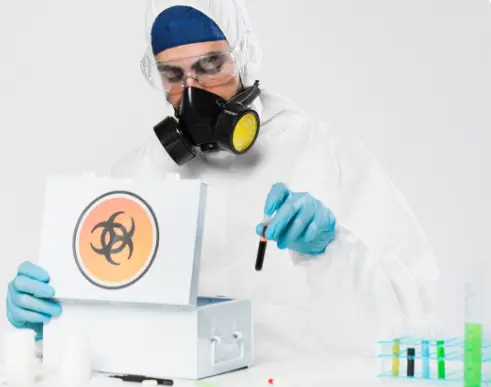
Recommended Freezer Temperatures for Lyophilized and Reconstituted Forms
Temperature is the single most important variable in peptide storage best practices for the laboratory, and oxytocin is no exception. The standard recommendation for lyophilized oxytocin is storage at −20 °C in a conventional laboratory freezer, though long-term archives benefit significantly from ultra-low temperature storage at −80 °C. At these temperatures, the molecular motion that drives degradation reactions is dramatically slowed, and the dry powder form of the peptide provides additional chemical inertness because the absence of water removes the primary medium for hydrolytic reactions. When researchers ask how long a lyophilized peptide lasts, the honest answer is that under proper conditions — sealed, dry, at −80 °C — high-quality lyophilized oxytocin can retain its certificate-of-analysis purity for several years.
Refrigerator storage at 2–8 °C is suitable only for very short-term holding — generally no more than 24 to 48 hours for lyophilized material and a matter of hours for reconstituted solutions depending on formulation. Does oxytocin need to be refrigerated if it is still in lyophilized form? Yes, at a minimum, though frozen storage is always preferable. Room temperature storage, even briefly, should be avoided in humid laboratory environments where moisture absorption into the lyophilized cake can begin within minutes of removing a vial from its protective packaging. Oxytocin is genuinely sensitive to heat even at moderate temperatures, and this is one of the most common sources of unrecognized degradation in busy laboratories.
Freezer Type and Temperature Stability Considerations
It is important that the laboratory freezer used for oxytocin vial storage conditions maintains a stable temperature without fluctuation. Frost-free or auto-defrost freezers cycle through warming periods that can introduce repeated freeze-thaw stress even without the researcher opening the door. Non-frost-free freezers, or purpose-built sample storage units that use fan-cooled constant-temperature systems, are preferred for critical peptide stocks. When shipping or transferring oxytocin between laboratory spaces, the cold chain must be maintained. Dry ice shipping at approximately −78 °C is the appropriate method for long-distance peptide cold chain storage in laboratory logistics, and the shipping container should be validated to maintain that temperature for the expected transit duration plus a safety margin.
pH Control and Solvent Selection for Oxytocin Solution Stability
The Optimal pH Window for Minimizing Degradation
pH control is one of the most underappreciated aspects of peptide preservation in the laboratory. The chemical stability of oxytocin is highly pH-dependent, with maximum stability typically observed in mildly acidic conditions between pH 3.5 and 5.0. At this range, the asparagine deamidation reaction is significantly slowed, the disulfide bridge is less susceptible to thiol-exchange reactions, and the risk of intermolecular aggregation is reduced. Moving away from this zone — particularly toward neutral or basic pH — accelerates multiple degradation pathways simultaneously, which is why oxytocin working solution stability degrades much faster in physiological buffers than in acidic vehicles.
Choosing the Right Reconstitution Solvent
For researchers learning how to reconstitute oxytocin for research use, the choice of solvent and buffer system has a direct and measurable impact on oxytocin stock solution preparation quality over time. Acetic acid in ultrapure water, typically at 0.1% to 1% concentration, is the most commonly recommended reconstitution vehicle. This acidic medium provides a pH environment that is chemically protective while remaining compatible with most cell-based and biochemical assay systems when appropriately diluted. Phosphate-buffered saline (PBS) at pH 7.4, by contrast, may be convenient for biological compatibility but will accelerate deamidation and other degradation reactions relative to acidic vehicles, making it a poor choice for preparation of stock or working solutions intended for storage.
Metal ions present in some buffer formulations and in laboratory water supplies can catalyze oxidative degradation of the disulfide bridge. The use of chelating agents such as EDTA in buffer systems, or the use of HPLC-grade ultrapure water for reconstitution, reduces this risk. Some laboratories also evaluate the use of cryoprotectants for peptide storage when preparing solutions intended for freeze-thaw cycling, though these additives must be validated carefully for compatibility with the assay system before adoption.
Lyophilized vs. Solution Form: Selecting the Right Starting Material
Why Lyophilized Oxytocin Is Preferred for Most Research Applications
Oxytocin is commercially available in two primary physical forms: as a lyophilized (freeze-dried) powder and as a pre-formulated solution. For the vast majority of research applications, lyophilized oxytocin is the preferred starting material because it confers substantial stability advantages. In the dry state, the elimination of water removes the necessary medium for hydrolysis, and the reduced molecular mobility at low temperature means that degradation reactions occur at a rate that, for practical research timelines, is negligible. Properly stored lyophilized oxytocin can maintain its oxytocin peptide purity and research-grade specification for years, provided storage conditions are consistently maintained.
Pre-formulated solutions introduce water into the system from the moment of manufacture and are therefore inherently less stable. Research-grade solutions are typically formulated with stabilizers, pH-adjusted vehicles, and sometimes cryoprotectants, but even with these additives, their useful shelf life is measured in months at best, and in weeks or days once the vial has been opened. For laboratories conducting periodic or long-term studies, lyophilized material reconstituted on an as-needed basis is almost always the better choice from a stability standpoint.
Best Practices for Reconstituting Lyophilized Oxytocin
Reconstitution of lyophilized oxytocin requires attention to both the reconstitution solvent and the physical process of resuspension. Understanding how to reconstitute oxytocin for research correctly means allowing the powder to reach room temperature in its sealed vial before opening, to prevent moisture condensation on the cold peptide surface. The appropriate volume of solvent should be added to the vial and the peptide allowed to dissolve with gentle swirling — vigorous vortexing or sonication introduces mechanical energy and air-water interface stress that can promote peptide aggregation. Once fully reconstituted, the solution should be inspected visually for clarity; cloudiness or particulate matter indicates either incomplete dissolution or the presence of aggregates. In terms of how long a lyophilized peptide preparation lasts after reconstitution, the practical answer depends heavily on the storage vehicle, the temperature, and the aliquoting strategy adopted immediately after resuspension.
Protecting Oxytocin From Light Exposure and Oxidative Stress
Photodegradation Risks and Practical Mitigation
Photodegradation is a well-documented concern for many peptides, and oxytocin’s light sensitivity is a meaningful factor in laboratory handling. The disulfide bridge and the tyrosine residue at position 2 are the primary photosensitive structural features. Ultraviolet radiation promotes disulfide bond cleavage through direct absorption and through the generation of reactive oxygen species, while tyrosine can undergo photooxidation that alters receptor-binding geometry. In practical terms, oxytocin-containing vials should be stored in amber-colored or opaque containers whenever possible, and amber-tinted microcentrifuge tubes are recommended for all working solutions. Prolonged exposure during lengthy sample preparation workflows should be avoided, particularly when handling large batches for dose-response studies.
Dissolved Oxygen and Antioxidant Strategies
Oxidative stress from sources other than light is also significant. Dissolved oxygen in reconstitution solvents and working buffers can promote disulfide bond rearrangements and oxidation of nucleophilic residues. Degassing reconstitution solvents by brief sonication under vacuum or by sparging with inert gas (nitrogen or argon) before use reduces dissolved oxygen content and provides a meaningful protective benefit. For high-value or long-running studies, some research groups incorporate antioxidants such as ascorbic acid at very low concentrations into storage buffers as part of their strategy to prevent peptide degradation in the lab, though this must be carefully validated for compatibility with the specific assay system, as these additives can interfere with certain detection methods.
Aliquoting Strategy and Minimizing Freeze-Thaw Cycles
Why Freeze-Thaw Cycling Damages Oxytocin Solutions
Repeated freezing and thawing of peptide solutions is one of the most common and avoidable sources of degradation in the research laboratory. Each freeze-thaw cycle subjects the dissolved oxytocin to a series of stresses: concentration effects as water forms ice crystals and the peptide is concentrated into unfrozen pockets; pH shifts as buffering capacity changes with temperature; mechanical stress from ice crystal formation and dissolution; and renewed oxidative exposure as the solution equilibrates with atmospheric oxygen on thawing. Multiple cycles compound these stresses, and studies of related peptides have shown that as few as three to five freeze-thaw cycles can produce measurable changes in purity and bioactivity. This is why peptide storage best practices for laboratory settings universally emphasize aliquoting over bulk storage.
Implementing a Practical Aliquoting Protocol
The practical solution is the use of a disciplined aliquoting strategy at the time of initial reconstitution. Rather than dissolving the entire contents of a vial into a single tube, the researcher should distribute the reconstituted solution into multiple small-volume aliquots — typically 20 to 100 µL depending on the experimental workflow — and freeze each aliquot individually. For any given experimental session, only the number of aliquots needed for that day’s work are thawed, and any remaining solution from a thawed aliquot is discarded rather than refrozen. This approach eliminates freeze-thaw cycling for the bulk of the stock and ensures that each experiment begins with maximally fresh oxytocin working solution.
Aliquot tubes should be labeled with the date of reconstitution, the concentration, the solvent used, and the lot number of the source material. These records are essential for traceability and for correlating any observed changes in experimental results with changes in the peptide stock. Cryogenic labels that remain legible at −80 °C should be used, as standard paper labels can detach or become unreadable in ultra-low-temperature freezers.
Container Selection: Preventing Oxytocin Concentration Loss Through Adsorption
How Peptide Adsorption Affects Working Concentration
The container in which oxytocin is stored and handled is not a trivial consideration. Peptides at low concentrations are particularly susceptible to adsorption onto container surfaces — the process by which peptide molecules bind to the inner walls of the vessel, effectively removing them from solution and reducing the functional concentration below the nominal value. Oxytocin concentration loss through adsorption is a real and measurable phenomenon at the low nanomolar concentrations common in research applications, and it is a primary reason why many assay laboratories observe systematic discrepancies between nominal and measured peptide concentrations.
Selecting Low-Binding Containers and Using Carrier Proteins
Siliconized glass vials and low-binding polypropylene tubes, specifically manufactured and validated for peptide handling, are the best choices for minimizing adsorption during storage and handling. Several major laboratory suppliers offer low-binding microcentrifuge tubes that have been tested for reduced peptide adsorption, and for critical concentration-dependent assays, these containers can make a meaningful difference in result reliability. For very low concentration working solutions — in the range of 1 to 100 nM — the addition of a carrier protein such as bovine serum albumin (BSA) at 0.1% to 1% can substantially reduce adsorption by occupying container surfaces before the oxytocin is added. This approach is particularly useful for preparation of standard curves in radioimmunoassay and ELISA-based quantification, and it is a well-established component of any thorough research grade oxytocin handling protocol.
Workflow-Specific Storage Considerations Across Laboratory Applications

Receptor Binding Assays and Biochemical Studies
Translating storage principles into day-to-day laboratory practice requires understanding how they apply across different experimental contexts. In receptor binding assays, where oxytocin is used as a labeled or unlabeled ligand, the highest-priority concern is maintaining structural integrity at the receptor-binding surface — meaning that pH control and protection from oxidation during assay preparation are paramount. The oxytocin stock solution preparation should be completed in as few steps as possible, with minimal exposure to atmospheric conditions, and working dilutions should be prepared fresh for each assay session rather than being stored pre-diluted.
Cell Culture and In Vitro Studies
In cell biology research, where oxytocin may be added to cell culture media for receptor activation studies, the thermal stability of the compound at 37 °C in humidified CO2 incubators is a critical concern. Published data on the half-life of synthetic oxytocin in cell culture medium suggest that meaningful degradation can occur within hours, depending on the medium composition and the presence of serum proteases. Researchers should account for this by adding oxytocin to prewarmed medium as close to the time of application as possible. The question of how to prevent peptide degradation in the lab during cell-based assays is therefore partly a timing question: minimizing the interval between solution preparation and biological application is as important as the storage conditions applied before that point.
Analytical Quantification: RIA and Mass Spectrometry
For radioimmunoassay and mass spectrometry-based quantification of oxytocin in plasma, urine, cerebrospinal fluid, or tissue extracts, the stability of both the endogenous analyte and the exogenous standard solution are relevant. Sample collection protocols that include immediate acidification, addition of protease inhibitors, and rapid freezing are standard practice because oxytocin in biological matrices faces degradation from endogenous peptidases in addition to the physicochemical challenges discussed throughout this guide. The standard solutions used for calibration curves must be prepared freshly from well-characterized stock, with particular attention to the concentration accuracy that can be compromised by adsorption at low concentration levels. Following sound oxytocin stability and storage tips for these analytical workflows directly determines the accuracy of the data generated.
Quality Control: Detecting and Confirming Oxytocin Degradation
Analytical Methods for Purity Assessment
Despite best efforts at proper storage and handling, degradation can occur, and a quality-conscious laboratory should have protocols in place for detecting it. The most rigorous method for assessing oxytocin peptide purity is reverse-phase high-performance liquid chromatography (RP-HPLC), which separates the intact peptide from its degradation products based on differential hydrophobicity. A well-characterized HPLC method can detect deamidated forms, oxidized variants, and aggregated or fragmented species that would not be apparent from simple UV absorbance readings. Mass spectrometry provides complementary information, detecting single-dalton mass shifts corresponding to deamidation or oxidation events — giving a precise chemical characterization of degradation that HPLC alone may not resolve.
Visual Inspection as a Baseline Quality Check
For most routine laboratory applications, the combination of careful adherence to storage protocols, regular visual inspection of solutions for clarity and color, and documentation of preparation dates and conditions provides a practical quality control framework. Color change is an accessible, though limited, indicator of oxidative degradation: freshly prepared oxytocin solutions in acidic vehicles should be colorless and clear, and a yellow or brownish tint can indicate oxidative modifications involving the tyrosine residue. Any solution showing discoloration, turbidity, or unexpected particulate matter should be discarded rather than used in research. Visual checks cannot confirm peptide integrity on their own, but they serve as an important first-line screen in any day-to-day research grade oxytocin handling protocol.
Common Storage Mistakes That Compromise Oxytocin Research Outcomes
Even experienced researchers periodically make storage mistakes that compromise the integrity of their oxytocin preparations. One of the most common errors is leaving vials on the bench for extended periods during experimental setup, particularly in warm or humid laboratory environments. A seemingly brief delay of 30 to 60 minutes at room temperature, while preparing other reagents or waiting for equipment to calibrate, exposes the peptide to cumulative thermal and oxidative stress. The simplest mitigation is keeping the vial on dry ice or in a small portable cooler during preparation — a minor logistical adjustment that pays large dividends in data quality. Another frequent error is reconstituting the entire contents of a vial at once without a clear plan for aliquoting and freezing. If a researcher dissolves a 1 mg vial of oxytocin into a single tube without immediately aliquoting and freezing the unused portion, they are left with a reconstituted solution that must either be refrozen as a single unit — leading to freeze-thaw cycling — or discarded after partial use. This violates one of the most fundamental peptide storage best practices for the laboratory and is a direct cause of inter-experiment variability that can be attributed to the peptide stock rather than the biological system under study.
Using uncharacterized or variable-quality water for reconstitution is also a significant but underappreciated risk. Municipal tap water, even filtered water, contains dissolved gases, trace metals, chloramines, and other contaminants that can interact with the peptide. Only HPLC-grade ultrapure water should be used for oxytocin stock solution preparation in research applications. Many laboratories maintain a dedicated ultrapure water purification system for peptide handling, and its use should be considered mandatory rather than optional. Overlooking this detail is one of the subtler ways in which oxytocin concentration loss and activity degradation can creep into experimental results without obvious cause.
Long-Term Archival Storage of Oxytocin Research Stocks
Baseline Quality Verification and Documentation
Laboratories engaged in long-term research programs or those maintaining reference stocks for extended periods should follow archival storage protocols that go beyond the basics of freezer temperature and container selection. The ideal approach begins with quality verification at the time of receipt — obtaining or requesting a certificate of analysis that includes HPLC purity data and mass spectrometric confirmation of identity. This baseline record allows future quality assessments to be compared against a known-good standard and supports the traceability that is essential in research that may eventually translate toward publication or regulatory review. Good documentation at this stage is a core element of any sound research grade oxytocin handling protocol intended for long-term use.
Moisture Protection and Freezer Inventory Management
Archival stock vials should be stored in a dedicated freezer that is not opened frequently for routine sample access. Each opening introduces warm, moist air that can cause cumulative condensation inside vials that were not completely sealed. The use of sealing film or parafilm over vial caps, combined with storage in sealable bags containing a desiccant packet, provides a secondary moisture barrier particularly valuable for lyophilized material. A freezer inventory system that tracks the location, quantity, preparation date, and current condition of all oxytocin stocks is not a luxury — it is a basic element of good laboratory practice. This inventory should be backed up digitally and reviewed periodically to identify stocks approaching their expected useful life, stocks subject to temperature excursions or power failures, or vials that have been opened a sufficient number of times to warrant reassessment. Following these oxytocin stability and storage tips for archival material ensures that investment in high-quality starting material is not quietly lost to avoidable degradation over the lifetime of a research programme.
Final Thoughts
The application of rigorous oxytocin stability and storage tips in the laboratory is not simply a matter of following rules for their own sake — it is a direct expression of the commitment to scientific rigor that underpins valid, reproducible research. Oxytocin is a structurally sensitive molecule whose biological activity depends on the precise maintenance of its disulfide bridge, its amino acid side-chain chemistry, and its three-dimensional conformation. Each decision made about how this compound is stored, handled, reconstituted, and used is a decision about whether the data generated from it will be trustworthy and meaningful.
From maintaining proper freezer temperatures and protecting samples from light and oxidative stress, to choosing low-binding containers and implementing disciplined aliquoting strategies, the practical steps outlined in this guide represent the accumulated knowledge of peptide chemistry applied to real laboratory workflows. Researchers who internalize these principles — and who know how to store research peptides correctly from first principles rather than simply following a checklist — will find that their oxytocin-based experiments are more consistent, their standard curves are tighter, and their results are more readily interpreted in the context of published literature.
As research into the neuroscience and physiology of oxytocin continues to expand, the importance of standardized, well-documented storage and handling practices will only grow. Laboratories that establish strong peptide handling cultures now will be better positioned to adapt to increasingly sensitive detection methods, to meet the documentation requirements of peer review and regulatory scrutiny, and to contribute findings that others can confidently build upon. These oxytocin stability and storage tips are, ultimately, an investment in the quality and longevity of the science itself.
Frequently Asked Questions
1. How should oxytocin be stored in the laboratory?
Lyophilized oxytocin should be stored at −20 °C or −80 °C in a sealed, moisture-proof, light-protected container. Reconstituted solutions should be aliquoted into single-use volumes, frozen immediately, and used within the shortest practical timeframe to preserve peptide bioactivity and purity.
2. What is the shelf life of oxytocin in solution?
Reconstituted oxytocin in acidic vehicles (0.1% acetic acid) stored at −20 °C typically remains stable for several weeks to a few months. At 4 °C, useful stability is limited to hours to days. Room temperature leads to rapid degradation and should be avoided for any prepared solution.
3. Does oxytocin degrade at room temperature?
Yes. Oxytocin in solution degrades measurably at room temperature within hours due to hydrolysis and oxidation. Lyophilized powder is more resistant but absorbs moisture rapidly in humid conditions. Always return vials to cold storage immediately after removing the required volume.
4. What is the best solvent for reconstituting oxytocin?
Ultrapure or HPLC-grade water with 0.1–1% acetic acid is the most widely recommended reconstitution solvent for research-grade oxytocin. This acidic vehicle maintains pH 3.5–5.0, slowing deamidation and oxidative degradation of the disulfide bridge without compromising assay compatibility.
5. How many freeze-thaw cycles can oxytocin tolerate?
As few as possible — ideally none after initial aliquoting. Best practice is to aliquot reconstituted solutions into single-use volumes at the time of preparation, thaw only what is needed per experiment, and discard unused portions rather than refreeze them to prevent cumulative activity loss.
6. How do you prevent oxytocin from degrading in cell culture experiments?
Add oxytocin to prewarmed media as close to application time as possible, since serum proteases and physiological pH 7.4 at 37 °C accelerate degradation. Use freshly prepared working solutions for each experiment and verify biological responses are consistent with expected receptor pharmacology.
7. Can you detect oxytocin degradation without HPLC?
Visual inspection for discoloration or cloudiness is a basic first-line check — solutions should remain clear and colorless. However, HPLC or mass spectrometry is required to detect early-stage deamidation or oxidation. Visual inspection alone cannot confirm peptide integrity for any critical research application.


