




No products in the cart.


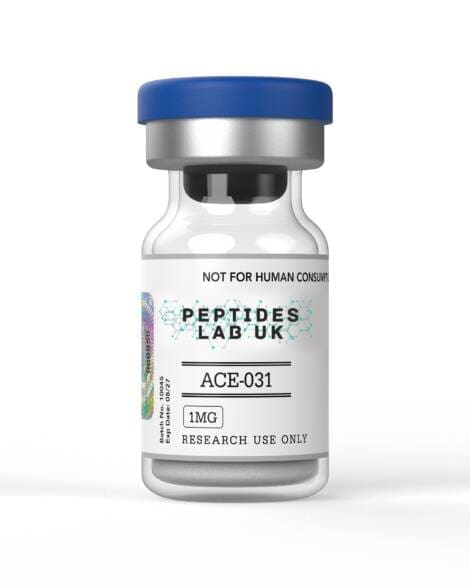
GHRP-2 Acetate For Lab Research
£29.99
Login for member prices★★★★★
✔︎ Quality checked
✔︎ Third party verified
GHRP-2 is a synthetic hexapeptide ghrelin mimetic for laboratory and in vitro research. Supplied at >99% purity with a full third-party COA. For laboratory and in vitro research use only. Not for human consumption. Not a medicine.
Looking for a Certificate of Analysis?
If you are looking for a Certificate Of Analysis, please email research@peptideslabuk.com to have it sent to you.
Please Note: Many sites are displaying counterfeit COAs, so ours is provided upon request.
If you are looking for a Certificate Of Analysis, please email research@peptideslabuk.com to have it sent to you.
Please Note: Many sites are displaying counterfeit COAs, so ours is provided upon request.
You may also like…
-
Login for member prices

-
Login for member prices
Product Description
GHRP-2 Peptide | Buy GHRP-2 UK | Growth Hormone Releasing Peptide-2 | Research Use Only
GHRP-2 (D-Ala-D-βNal-Ala-Trp-D-Phe-Lys-NH₂) is a synthetic hexapeptide and one of the most potent members of the GHRP class — a second-generation GH secretagogue developed as a higher-efficacy successor to the founding peptide GHRP-6. It is studied in laboratory research for its potent GHS-R1a agonism, dual GHS-R1a and CD36 receptor pharmacology, GH and IGF-1 secretion, cardioprotective signalling, cytoprotective pathway activation, anti-fibrotic biology, and hypothalamic-pituitary-adrenal axis interaction — making it one of the most pharmacologically active GHRP-class peptides in the research literature. Buy GHRP-2 in the UK from Peptides Lab UK with >99% HPLC-verified purity, batch-specific COA, and fast UK dispatch for laboratory and in vitro research use only.
Distributed by Peptides Lab UK in a high-purity lyophilised format, for laboratory research use only. This compound is handled in controlled settings for in vitro and pre-clinical studies, with no applications in human or veterinary medicine. Each batch undergoes rigorous quality analysis to ensure >99% purity (HPLC verified).
What Is GHRP-2?
GHRP-2 is a synthetic hexapeptide with the sequence D-Ala-D-βNal-Ala-Trp-D-Phe-Lys-NH₂, developed as a second-generation GHRP following the characterisation of GHRP-6 by Bowers et al. in the 1980s. GHRP-2 was specifically designed to deliver greater GHS-R1a binding potency and enhanced GH-releasing efficacy relative to the founding GHRP-6, while retaining the hexapeptide structural scaffold. It is among the most extensively studied GH secretagogues in the class alongside Hexarelin, with whom it shares comparable potency at the GHS-R1a receptor.
Like all GHRPs, GHRP-2 binds both the ghrelin receptor (GHS-R1a) and the CD36 scavenger receptor, conferring a bifurcated pharmacological profile that encompasses GH axis biology and a range of cytoprotective, anti-inflammatory, and anti-fibrotic activities independent of the GH axis. GHRP-2 is notable for producing significant ACTH and cortisol co-release — a feature shared with GHRP-6 and Hexarelin and absent from the more selective Ipamorelin — making it a valuable research tool for studying HPA axis interactions with the ghrelin receptor system at high GHS-R1a stimulation levels.
As a research compound, GHRP-2 occupies a key position in the GHRP class as the high-potency, second-generation reference peptide — used in comparative studies against GHRP-6, Ipamorelin, and Hexarelin, and extensively published across GH axis biology, IGF-1 regulation, pituitary pharmacology, cardioprotection, and cytoprotective pathway research.
How Does GHRP-2 Work?
GHRP-2’s pharmacology is bifurcated across two distinct receptor systems — the ghrelin receptor (GHS-R1a) and the CD36 scavenger receptor — each mediating independently meaningful biological activities.
GHS-R1a Receptor Activation — Enhanced GH Axis Potency
GHRP-2 activates GHS-R1a via phospholipase C/diacylglycerol/PKC signalling, mobilising intracellular calcium in anterior pituitary somatotrophs to trigger GH vesicle fusion and exocytosis. GHRP-2 binds GHS-R1a with greater affinity than GHRP-6, producing a more robust GH secretory response in both in vitro and in vivo models. This enhanced potency at the receptor level, combined with a peptide half-life superior to GHRP-6, makes GHRP-2 the preferred reference compound in research models requiring maximal pituitary GHS-R1a activation. GHRP-2 also acts as a functional somatostatin antagonist at the pituitary level and promotes endogenous GHRH release at the hypothalamic level, contributing to its synergistic GH-releasing profile when combined with GHRH analogues.
GHRH Co-Dependency for Maximal GH Release
In common with GHRP-6, GHRP-2’s maximal GH-releasing activity depends in part on the availability of endogenous GHRH. Studies demonstrate that GHRP-2 functions both as a direct pituitary GHS-R1a agonist and as an indirect promoter of hypothalamic GHRH release — a dual mechanism shared by the GHRP class that distinguishes these peptides from GHRH analogues alone and underlies the scientific rationale for GHRH + GHRP combination research models. GHRP-2 exhibits partial GHRH co-dependency, with evidence suggesting slightly less GHRH-dependence than GHRP-6 at equivalent doses.
CD36 Receptor Binding — Cytoprotective and Anti-Fibrotic Activity
GHRP-2 binds CD36 and activates the same downstream prosurvival pathways documented for GHRP-6: PI-3K/AKT1 activation reducing cellular death; anti-fibrotic effects via PPARγ upregulation followed by TGF-β, CTGF, and PDGF downregulation; anti-inflammatory effects via NFκB blunting; and cell survival via HIF-1α induction. These CD36-mediated effects are independent of GHS-R1a and contribute substantially to GHRP-2’s cardioprotective and cytoprotective activity in pre-clinical models.
ACTH and Cortisol Co-Release — HPA Axis Interaction
GHRP-2 produces significant ACTH and cortisol co-release alongside GH stimulation — a pharmacological profile shared with GHRP-6 and Hexarelin but absent from Ipamorelin. This HPA axis co-stimulation is dose-dependent and has been characterised in both healthy subjects and patient populations, including studies in children with idiopathic short stature undergoing GH stimulation testing. The ACTH/cortisol co-release profile makes GHRP-2 a valuable research tool for studying hypothalamic-pituitary-adrenal axis interactions with the ghrelin receptor system at elevated GHS-R1a stimulation levels, and clearly distinguishes its pharmacological profile from that of the more selective Ipamorelin.
IGF-1 Upregulation and Pituitary Somatotroph Biology
GHRP-2 stimulates pituitary GH secretion that drives hepatic and peripheral IGF-1 production in a manner consistent with the broader GHRP class. Pre-clinical studies have characterised GHRP-2’s ability to elevate serum IGF-1 following repeated administration, with evidence from both animal models and human clinical research. GHRP-2’s robust GHS-R1a activity makes it a preferred reference compound for in vitro somatotroph biology, GH vesicle exocytosis studies, and GH/IGF-1 axis research models requiring maximal receptor stimulation.
What Does GHRP-2 Do in Research?
In laboratory and pre-clinical settings, GHRP-2 has been studied across a broad range of biological systems, with particular depth in GH axis pharmacology, pituitary biology, and cardioprotective research. Research has examined its role in:
GHS-R1a receptor binding, phospholipase C/calcium signalling, and GH vesicle exocytosis studies — high-potency reference agonist GH and IGF-1 axis stimulation — enhanced potency relative to GHRP-6 and Ipamorelin ACTH and cortisol co-stimulation — hypothalamic-pituitary-adrenal axis interaction with the ghrelin receptor Pituitary somatotroph biology — GH secretory capacity, somatostatin antagonism, and GHRH co-dependency pharmacology CD36 scavenger receptor binding, PI-3K/AKT1 prosurvival pathway activation, and HIF-1α induction Cardiac protection — ischaemia/reperfusion injury, dilated cardiomyopathy, and doxorubicin-induced cardiotoxicity models Anti-fibrotic pathway research — PPARγ upregulation, TGF-β1 and CTGF transcriptional suppression Cytoprotective biology across cardiac, neuronal, and hepatic cell models Idiopathic short stature and GH deficiency — reference peptide for GH stimulation test research models GHRP class comparative pharmacology — reference compound for SAR studies against GHRP-6, Ipamorelin, and Hexarelin
GHRP-2 and Cardioprotection Research
GHRP-2 has demonstrated cardioprotective activity in pre-clinical models through its dual GHS-R1a and CD36 receptor pharmacology. CD36 binding activates PI-3K/AKT1 prosurvival pathways and reduces oxidative stress in cardiomyocytes, with evidence from ischaemia/reperfusion models confirming that GHRP-2 attenuates cardiomyocyte death and preserves left ventricular function. The CD36-mediated component of GHRP-2’s cardioprotection is mechanistically consistent with the extensively characterised cardioprotective activity of GHRP-6 and Hexarelin, with whom GHRP-2 shares the CD36 pharmacophore scaffold. Research has also examined GHRP-2’s potential to reduce doxorubicin-induced cardiotoxicity, with cardioprotective mechanisms including preservation of mitochondrial physiology and reduction of reactive oxygen species contributing to the observed protective effects.
GHRP-2 and Anti-Fibrotic Pathway Research
Via CD36 receptor binding, GHRP-2 activates PPARγ-mediated antagonism of TGF-β1 signalling — the same anti-fibrotic mechanism documented for GHRP-6 in wound healing and hypertrophic scar models. This pathway — involving PPARγ upregulation and consequent downregulation of TGF-β1, CTGF, and PDGF — positions GHRP-2 as a research tool for studying CD36-mediated anti-fibrotic biology alongside GHRP-6, with GHRP-2’s higher GHS-R1a potency enabling comparative research models where dual GHS-R1a/CD36 stimulation intensity is a variable. Pre-clinical data confirm that TGFB1 and CTGF expression are significantly reduced and PPARγ expression significantly elevated by CD36-binding GHRPs, with GHRP-2 included in this mechanistic framework.
GHRP-2 and Idiopathic Short Stature Research
GHRP-2 has been studied as a GH stimulation agent in children with idiopathic short stature and growth hormone deficiency, with clinical research confirming robust GH and IGF-1 responses alongside ACTH and cortisol co-release. These studies have established GHRP-2 as a reference GH stimulation peptide in paediatric endocrinology research contexts, and have documented the neuroendocrine response profile of GHS-R1a stimulation in growth-restricted subjects — contributing to the scientific literature on the ghrelin receptor’s role in growth axis regulation. GHRP-2 test doses in these research contexts have provided comparative pharmacokinetic and pharmacodynamic benchmarks for the GHRP class.
GHRP-2 and Pituitary Somatotroph Biology
GHRP-2’s high GHS-R1a affinity and enhanced receptor efficacy make it a preferred reference compound for in vitro studies of pituitary somatotroph GH secretory biology. Research using GHRP-2 has characterised GHS-R1a intracellular signalling dynamics — including PLC activation, DAG/PKC cascades, and calcium-dependent GH vesicle exocytosis — at stimulus intensities not achievable with GHRP-6 or Ipamorelin at equivalent concentrations. This makes GHRP-2 particularly valuable in receptor occupancy, receptor desensitisation, and maximal GH secretory capacity research models.
What Do Studies Say About GHRP-2?
GHRP-2 has an extensive published research profile spanning more than three decades, with peer-reviewed literature covering GH axis pharmacology, pituitary biology, cardioprotection, HPA axis interaction, and comparative GHRP pharmacology.
GHRP-2 as a High-Potency GHS-R1a Reference Agonist
Multiple comparative studies have confirmed that GHRP-2 produces greater GH secretory responses than GHRP-6 at equivalent doses, establishing it — alongside Hexarelin — as one of the most potent GHRP-class GHS-R1a agonists in the pre-clinical and clinical research literature. This enhanced potency reflects a higher GHS-R1a binding affinity resulting from GHRP-2’s optimised hexapeptide structure incorporating D-βNal in place of GHRP-6’s D-Trp, and positions GHRP-2 as the reference compound of choice when maximal GHS-R1a activation is the research objective.
GHRP-2 and the HPA Axis Research Profile
Studies comparing GHRP-2’s neuroendocrine profile with that of GHRP-6, Ipamorelin, and GHRH have confirmed that GHRP-2 produces robust ACTH and cortisol co-release alongside GH stimulation — a profile mechanistically consistent with the ghrelin receptor’s known expression in the HPA axis and shared with GHRP-6 and Hexarelin but absent from Ipamorelin. This characterised HPA co-stimulation profile establishes GHRP-2 as the appropriate research tool when combined GHS-R1a activation and HPA axis interrogation is the experimental objective, and confirms that the selective profile introduced by Ipamorelin represents a deliberate pharmacological refinement from the broader GHRP-2 and GHRP-6 reference.
GHRP-2 Cytoprotective Evidence Base
As a confirmed CD36 ligand with established PI-3K/AKT1 and PPARγ pathway activity, GHRP-2 belongs to the cytoprotective GHRP subclass — compounds that exhibit prosurvival, anti-inflammatory, and anti-fibrotic properties across cardiac, neuronal, and hepatic cell types via their dual GHS-R1a/CD36 pharmacology. The peer-reviewed literature on GHRP-class cytoprotection encompasses GHRP-2 as a high-potency member of this pharmacological framework, with cardioprotective studies specifically documenting CD36-dependent mechanisms consistent across the GHRP-2, GHRP-6, and Hexarelin subclass.
GHRP-2 as a Comparative Pharmacology Reference
GHRP-2 occupies a key position in GHRP class SAR research as the second-generation, high-potency hexapeptide against which the structural modifications introducing Ipamorelin’s selectivity (Aib-His pentapeptide with D-2-Nal) and Hexarelin’s extreme potency (His-D-2-MeTrp scaffold) can be benchmarked. Comparative studies using GHRP-2 as reference have generated fundamental insights into GHS-R1a pharmacophore requirements for potency, selectivity, and HPA axis co-stimulation — findings that underpin rational peptide drug design across the GH secretagogue field.
Key cited studies:
Bowers CY et al. (1994) — Structure-Activity Relationships of a Synthetic Hexapeptide That Specifically Releases GH in Vitro and in Vivo — Endocrinology 134(5):1974–1983. DOI: 10.1210/endo.134.5.8156994 Arvat E et al. (1997) — Comparative Effects of GHRP-2, GHRP-6, and Hexarelin on GH, ACTH, and Cortisol — J Clin Endocrinol Metab 82(8):2439–2444. PubMed ID: 9253315 Berlanga-Acosta J et al. (2017) — Synthetic Growth Hormone-Releasing Peptides: A Historical Appraisal of Cytoprotective Effects — PMC5392015 Deghenghi R et al. (1998) — Comparison of GH-Releasing Activity of GHRP-2 and Hexarelin in Children with Idiopathic Short Stature — PubMed ID: 9658369 Proulx C et al. (2020) — Azapeptide Modulators of CD36 for Atherosclerosis and Cardioprotection — PMC7432381 Muller EE et al. (1999) — GH-Releasing Peptides and Their Interaction with Ghrelin and the Hypothalamus — Endocr Rev 20(2):189–220. PubMed ID: 10204116
GHRP-2 vs Other GHS-R1a Research Peptides
Feature GHRP-2 GHRP-6 Ipamorelin Hexarelin Sequence D-Ala-D-βNal-Ala-Trp-D-Phe-Lys-NH₂ (6aa) His-D-Trp-Ala-Trp-D-Phe-Lys-NH₂ (6aa) Aib-His-D-2-Nal-D-Phe-Lys-NH₂ (5aa) His-D-2-MeTrp-Ala-Trp-D-Phe-Lys-NH₂ (6aa) GHS-R1a Activity More potent than GHRP-6 Potent (founding reference) Potent (most selective) Most potent classic GHRP CD36 Binding Yes (confirmed) Yes (confirmed) Not established Yes (confirmed) ACTH/Cortisol Release Yes (significant) Yes (significant) No (selective GH only) Yes (significant) GHRH Co-Dependency Partial Yes (82% of GH response) Partial Partial GI Motility Research Limited Yes (motilin receptor interaction) Not established Limited Cardioprotection Research Moderate Extensive None Extensive Wound Healing Research None established Published (PPARγ/TGF-β) None None CD36 Drug Discovery Secondary scaffold Primary scaffold None Secondary Historical Significance High-potency second-generation GHRP Discovery peptide (led to ghrelin) First selective GHRP Most potent classic GHRP
GHRP-2’s combination of enhanced GHS-R1a potency relative to GHRP-6, confirmed CD36 pharmacology, significant HPA axis co-stimulation, and role as a second-generation comparative reference compound makes it an essential research tool for GH axis biology, pituitary pharmacology, and cytoprotective pathway research — occupying a distinct niche from the selective Ipamorelin (no HPA co-stimulation, no CD36), the more extensively CD36-characterised GHRP-6 (lower GHS-R1a potency), and the extremely potent Hexarelin (more restricted research application).
Quality & Purity Assurance
Every batch of GHRP-2 from Peptides Lab UK is:
99% pure — HPLC and mass spectrometry verified Supplied with a full Certificate of Analysis (COA) on request Lyophilised powder for maximum stability and long shelf life Manufactured under strict, controlled laboratory conditions Consistent batch-to-batch quality for reproducible research results
Buy GHRP-2 UK — Product Specifications
Property Detail Full Name Growth Hormone Releasing Peptide-2 Sequence D-Ala-D-βNal-Ala-Trp-D-Phe-Lys-NH₂ Amino Acids 6 Molecular Weight 817.94 g/mol Molecular Formula C₄₅H₅₅N₉O₆ Receptor Targets GHS-R1a (primary) + CD36 (secondary) Purity >99% (HPLC verified) Form Lyophilised powder Storage Store dry at -20°C; protect from light Solubility Bacteriostatic water, sterile water, or suitable laboratory solvents
GHRP-2 Research Applications
GHRP-2 peptide UK is supplied strictly for the following in vitro and pre-clinical research uses:
GHS-R1a receptor binding, phospholipase C/calcium signalling, and GH vesicle exocytosis studies — high-potency reference agonist GH and IGF-1 axis stimulation, GHRH co-dependency pharmacology, and pituitary somatotroph biology research ACTH and cortisol co-stimulation — hypothalamic-pituitary-adrenal axis interaction with the ghrelin receptor CD36 scavenger receptor binding, PI-3K/AKT1 prosurvival pathway activation, and HIF-1α induction studies Cardiac protection — ischaemia/reperfusion injury, dilated cardiomyopathy, and doxorubicin cardiotoxicity models Anti-fibrotic pathway research — PPARγ upregulation, TGF-β1 and CTGF transcriptional suppression Cytoprotective biology — cardiac, neuronal, and hepatic cell survival pathway research Idiopathic short stature and GH deficiency — GH stimulation test research models Receptor desensitisation and GH secretory capacity studies — maximal GHS-R1a activation models GHRP class comparative pharmacology — reference compound for SAR studies against GHRP-6, Ipamorelin, and Hexarelin
Why Buy GHRP-2 from Peptides Lab UK?
Peptides Lab UK is a trusted UK peptides supplier, providing research-grade compounds verified by independent HPLC testing. When you buy GHRP-2 in the UK from us, you receive:
99% purity, HPLC and MS verified, third-party tested Full COA documentation per batch Fast same-day UK dispatch with tracked delivery Competitive pricing with bulk research discounts available Trusted by researchers across the UK and Europe
Research Disclaimer All products supplied by Peptides Lab UK are intended strictly for in vitro laboratory research and scientific study use only. They are not intended for human consumption, veterinary use, or any medical or therapeutic application. GHRP-2 is not a licensed medicine or drug and has not been approved by the MHRA, FDA, or any regulatory authority for use in humans or animals. GHRP-2, as a growth hormone secretagogue, is classified as a prohibited substance under WADA regulations and is not approved for use in sport or competition. All research citations on this page relate to pre-clinical studies and peer-reviewed pharmacological research and do not constitute a claim of safety or therapeutic efficacy. Peptides Lab UK accepts no liability for any misuse of research compounds. By purchasing, you confirm that you are a qualified researcher and that the product will be used solely within a controlled laboratory environment in compliance with all applicable UK laws, regulations, and institutional guidelines.
Related products
-
Login for member prices
-
Login for member prices
-
Login for member prices
