



No products in the cart.


Up to - 49%

NAD+ | High Purity Research Peptide
£96.99
Login for member prices★★★★★
✔︎ Quality checked
✔︎ Third party verified
NAD+ (Nicotinamide Adenine Dinucleotide) is a critical coenzyme for laboratory and in vitro research into cellular metabolism and DNA repair. Supplied at >99% purity with a full COA. For laboratory and in vitro research use only. Not for human consumption. Not a medicine.
Looking for a Certificate of Analysis?
If you are looking for a Certificate Of Analysis, please email research@peptideslabuk.com to have it sent to you.
Please Note: Many sites are displaying counterfeit COAs, so ours is provided upon request.
If you are looking for a Certificate Of Analysis, please email research@peptideslabuk.com to have it sent to you.
Please Note: Many sites are displaying counterfeit COAs, so ours is provided upon request.
You may also like…
-
Login for member pricesOriginal price was: £57.99.£37.99Current price is: £37.99. Read more
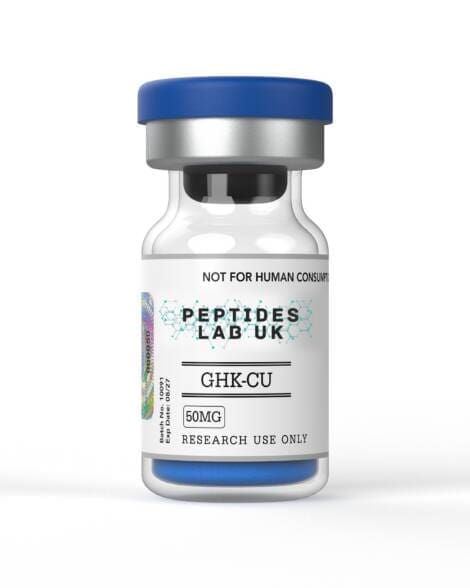
Buy GHK-Cu UK | HPLC-Verified Copper Peptide | COA – 50mg
-
Login for member prices
Product Description
Buy NAD+ UK – >99% Purity | Nicotinamide Adenine Dinucleotide | Research Use Only
NAD+ (Nicotinamide Adenine Dinucleotide) is one of the most fundamental coenzymes in cellular biology — present in every living cell and essential for energy metabolism, DNA repair, sirtuin activation, and mitochondrial function. Buy NAD+ in the UK from Peptides Lab UK with >99% HPLC-verified purity, batch-specific COA, and fast UK dispatch for laboratory and in-vitro research use only.
What is NAD+?
NAD+ (Nicotinamide Adenine Dinucleotide) is a naturally occurring dinucleotide coenzyme synthesised from Vitamin B3 precursors, found in every cell of every living organism. First discovered in 1906 by Sir Arthur Harden as a fermentation-stimulating factor in yeast extract, NAD+ has since become one of the most extensively studied molecules in cellular biology.
NAD+ exists in two primary forms: its oxidised form (NAD+) and its reduced form (NADH). The interconversion between these two states is fundamental to cellular energy generation, enabling NAD+ to act as an electron carrier in glycolysis, the Krebs cycle, and oxidative phosphorylation.
Beyond energy metabolism, NAD+ is now understood to serve as a critical co-substrate for a range of enzymes deeply involved in cellular health, ageing, and stress response — including sirtuins (SIRT1–7), poly-ADP-ribose polymerases (PARPs), and CD38/157 ectoenzymes — making it one of the most broadly relevant research molecules available from UK peptides suppliers today.
Molecular Formula: C₂₁H₂₇N₇O₁₄P₂ Molecular Weight: 663.43 g/mol Form: Lyophilised powder Purity: >99% (HPLC verified) Storage: –20°C, protect from light and moisture Solubility: Sterile water or PBS
How Does NAD+ Work?
NAD+ operates across several distinct and complementary cellular mechanisms, making it unique among research compounds in its breadth of biological relevance:
Redox Metabolism: NAD+ acts as a hydride-accepting electron carrier in central metabolic pathways — glycolysis, the Krebs cycle, beta-oxidation of fatty acids, and the mitochondrial electron transport chain. Its cycling between NAD+ and NADH is essential for ATP production, the cell’s primary energy currency.
Sirtuin Activation: NAD+ is the obligate co-substrate for all seven sirtuin deacylases (SIRT1–7). Sirtuins regulate gene expression, DNA repair, mitochondrial biogenesis, inflammation, and circadian rhythm — but are directly dependent on adequate NAD+ availability to function. As NAD+ declines with age, sirtuin activity is reduced, compromising all downstream functions.
PARP-Mediated DNA Repair: Poly-ADP-ribose polymerases (PARPs), particularly PARP1, consume NAD+ as a substrate to detect and signal DNA damage and initiate repair. DNA damage accumulation with age drives PARP hyperactivation, accelerating NAD+ depletion in a self-reinforcing cycle.
CD38 Pathway: CD38, an ectoenzyme that increases with age, is one of the largest consumers of cellular NAD+. Research has confirmed that CD38 accumulation in ageing tissues is a primary driver of the age-related decline in NAD+ levels, with CD38 inhibition shown to restore NAD+ availability in pre-clinical models.
Circadian Rhythm Regulation: NAD+ biosynthesis via NAMPT is regulated by the CLOCK/BMAL1 circadian transcription complex, creating a circadian oscillation of NAD+ that drives rhythmic sirtuin activity across tissues — linking NAD+ availability directly to circadian health and metabolic timing.
What Does NAD+ Do in Research?
In pre-clinical and in-vitro laboratory models, NAD+ research has demonstrated relevance across a remarkably wide range of cellular and molecular processes:
- Energy metabolism — essential electron carrier in glycolysis, Krebs cycle, and oxidative phosphorylation; central to cellular ATP production across all tissue types
- Sirtuin pathway research — activates SIRT1–7, studied across longevity, metabolic regulation, inflammation, DNA repair, and mitochondrial health models
- DNA damage and repair — PARP1-dependent DNA repair requires NAD+ as a direct substrate; NAD+ availability directly influences genomic stability in cell models
- Mitochondrial biogenesis — sirtuin activation downstream of NAD+ upregulates PGC-1α, driving mitochondrial biogenesis and improving mitochondrial health markers in aged cell models
- Cellular senescence research — NAD+ metabolism interfaces directly with cellular senescence pathways; declining NAD+ levels are associated with senescence-associated secretory phenotype (SASP) in ageing research models
- Neurodegeneration models — reduced NAD+ is associated with impaired neuronal energy metabolism and increased susceptibility to excitotoxicity; research has examined NAD+ restoration in Alzheimer’s, Parkinson’s, and Cockayne Syndrome models
- Metabolic disease — studied in type 2 diabetes, obesity, and insulin resistance models for its role in glucose metabolism, lipid oxidation, and sirtuin-regulated insulin signalling
- Cardiovascular research — SIRT1, SIRT3, SIRT6, and NAD+ have been studied for protective roles against dyslipidaemia, arrhythmia, cardiac fibrosis, hypertrophy, and ischemia-reperfusion injury
- Muscle and sarcopenia models — NAD+ decline is linked to age-related muscle deterioration; NAMPT-mediated NAD+ biosynthesis in muscle is studied as a therapeutic target
- Rare disease and premature ageing — NAD+ restoration has been examined in Cockayne Syndrome and Rothmund-Thomson Syndrome models, where NAD+ depletion is a confirmed molecular characteristic
What Do Studies Say About NAD+?
NAD+ is among the most well-cited molecules in biological research, with an exceptional depth of peer-reviewed literature:
- Bhasin S et al. (2023) — Endocrine Reviews, 44(6): 1047–1073 (Harvard Medical School / University of Pennsylvania) — Comprehensive review establishing NAD+ as a cofactor for sirtuins, PARPs, and CD38 enzymes, confirming age-related NAD+ decline as a driver of mitochondrial dysfunction and nuclear-mitochondrial communication breakdown. Reviewed evidence for NAD+ precursor supplementation in restoring age-associated functional defects. DOI: 10.1210/endrev/bnad019
- Imai S & Guarente L (2014) — Trends in Cell Biology, 24(8): 464–471 (npj Aging) — Foundational review confirming the intimate connection between NAD+ availability and sirtuin activity as a conserved ageing/longevity regulatory axis. Established that NAMPT-mediated NAD+ biosynthesis is regulated by CLOCK/BMAL1 circadian transcription factors, creating a circadian oscillation of NAD+ that drives SIRT1, SIRT3, and SIRT6 activity. Nature npj Aging DOI: 10.1038/npjamd.2016.17
- Gomes AP et al. (2013) — Cell, 155(7): 1624–1638 — Landmark study demonstrating that declining NAD+ with age disrupts nuclear-mitochondrial communication, creating a pseudohypoxic state in ageing muscle. Established the mechanistic cascade linking NAD+ decline → SIRT1 reduction → PGC-1α acetylation → mitochondrial dysfunction, foundational to current longevity research. DOI: 10.1016/j.cell.2013.11.037
- Chini CCS et al. (2024) — Aging Cell, PMC10776128 — Confirmed that NAD+ metabolism interfaces with multiple biological hallmarks of ageing including cellular senescence, genomic instability, mitochondrial dysfunction, and altered intercellular communication. Established CD38 increase and NAMPT/sirtuin decline as the primary age-related NAD+ consumption imbalance. DOI: 10.1111/acel.14083
- Circulation Research (2018) — Ahajournals.org — Reviewed the roles of SIRT1, SIRT3, SIRT4, SIRT6, SIRT7, and NAD+ across cardiovascular ageing, confirming protective roles against dyslipidaemia, obesity, type 2 diabetes, arrhythmia, cardiac fibrosis, hypertrophy, and ischaemia-reperfusion injury. DOI: 10.1161/CIRCRESAHA.118.312498
- PMC Review (2025) — PMC12177089 — Comprehensive mechanistic review confirming NAD+ as a critical coenzyme for mitochondrial function across de novo synthesis, Preiss-Handler, and salvage biosynthetic pathways. Confirmed decline of NAD+ associated with cognitive decline, sarcopenia, and metabolic disease, and reviewed compound-based strategies for NAD+ modulation via NAMPT activation, CD38 inhibition, and PARP inhibition.
- PMC / Aging Cell (2025) — PMC12727671 — Confirmed age-related NAD+ decline across multiple species (rodents, nematodes, and select human tissues including skin, liver, and brain). Reviewed PARP1 hyperactivation as a driver of NAD+ depletion in DNA damage models and the basis for NAD+ supplementation research in premature ageing syndromes.Note: All cited research relates to in-vitro, animal model, and observational/mechanistic human studies. NAD+ as supplied by Peptides Lab UK is for in-vitro and laboratory research use only and is not approved for any therapeutic or human use.
What is NAD+ Used For in Research?
Researchers purchasing NAD+ from UK peptides suppliers like Peptides Lab UK typically investigate:
- Sirtuin activation and NAD+-dependent deacylase pathway studies (SIRT1–7)
- Mitochondrial biogenesis, function, and mitophagy models
- DNA damage, PARP-mediated repair, and genomic stability research
- Cellular senescence, SASP, and ageing hallmark models
- Energy metabolism: glycolysis, Krebs cycle, and oxidative phosphorylation studies
- CD38 and NAMPT pathway investigations in age-related NAD+ decline models
- Neurodegeneration models: Alzheimer’s, Parkinson’s, and neurodegenerative pathway research
- Metabolic disease: type 2 diabetes, obesity, and insulin resistance research
- Cardiovascular ageing, cardiac energy metabolism, and ischaemia models
- Skeletal muscle and sarcopenia research
- Comparative NAD+ precursor studies alongside NMN (nicotinamide mononucleotide) and NR (nicotinamide riboside)
- Circadian rhythm and clock-regulated metabolic pathway research
- Rare disease models including Cockayne Syndrome and premature ageing pathways
NAD+ vs NAD+ Precursors – What’s the Difference?
| Compound | Type | Research Role |
|---|---|---|
| NAD+ | Direct coenzyme | Immediate substrate for sirtuins, PARPs, and CD38; used in direct pathway studies |
| NMN (Nicotinamide Mononucleotide) | NAD+ precursor | Converted to NAD+ via NMNAT enzymes; studied for cellular uptake kinetics |
| NR (Nicotinamide Riboside) | NAD+ precursor | Converted to NMN then NAD+ via NRK pathway; studied for tissue-specific delivery |
| Nicotinamide (NAM) | NAD+ precursor | Salvage pathway substrate; NAMPT-dependent conversion to NMN then NAD+ |
NAD+ is the direct active form used where immediate substrate availability is required for enzymatic assays, sirtuin activity studies, and mechanistic pathway research. Precursor compounds are used when studying uptake, biosynthetic conversion, and compartment-specific NAD+ replenishment.
Quality & Purity Assurance
Every batch of NAD+ from Peptides Lab UK is:
- >99% pure — HPLC and mass spectrometry verified
- Supplied with a full Certificate of Analysis (COA) on request
- Lyophilised powder for maximum stability and shelf life
- Manufactured under strict, controlled laboratory conditions
- Consistent batch-to-batch quality for reproducible research results
Why Buy NAD+ from Peptides Lab UK?
When you buy NAD+ in the UK from Peptides Lab UK, you receive:
99% purity, HPLC and MS verified, third-party tested
- Full COA documentation per batch
- Fast same-day UK dispatch with tracked delivery
- Competitive pricing with bulk research discounts available
- Trusted by researchers across the UK and Europe
Research Disclaimer: All products supplied by Peptides Lab UK are intended strictly for in-vitro laboratory research and scientific study use only. They are not intended for human consumption, veterinary use, or any medical or therapeutic application. NAD+ as supplied has not been evaluated by the MHRA or any regulatory authority for safety or efficacy in humans or animals. All research citations on this page relate to pre-clinical in-vitro and animal model studies, mechanistic reviews, or observational human data, and do not constitute evidence of safety or therapeutic efficacy in humans. Peptides Lab UK accepts no liability for any misuse of research compounds. By purchasing, you confirm that you are a qualified researcher and that the product will be used solely within a controlled laboratory environment in compliance with all applicable UK laws, regulations, and institutional guidelines.
Related products
-
Login for member prices
-
Login for member prices
-
Login for member prices
