






No products in the cart.


Up to - 32%

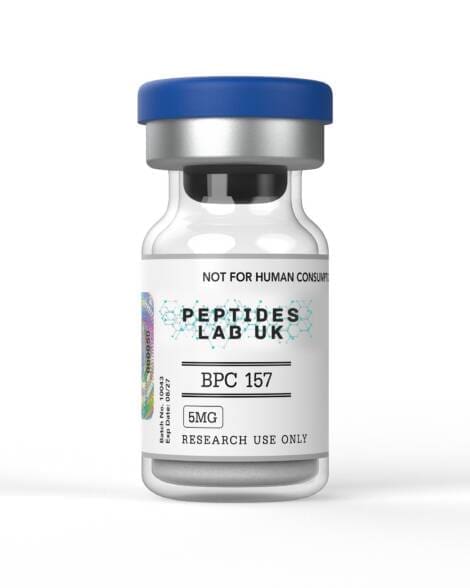
Buy Glow Stack UK | GHK-Cu + BPC-157 + TB-500 | HPLC
£89.00
Login for member prices★★★★★
✔︎ Quality checked
✔︎ Third party verified
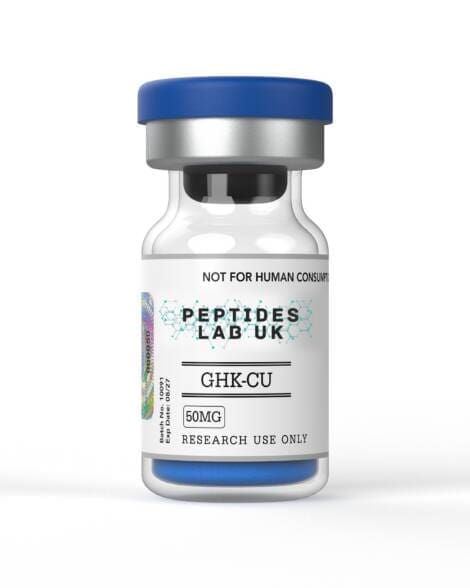
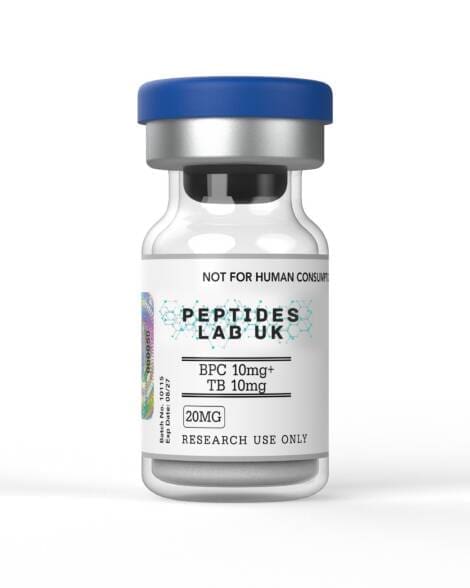
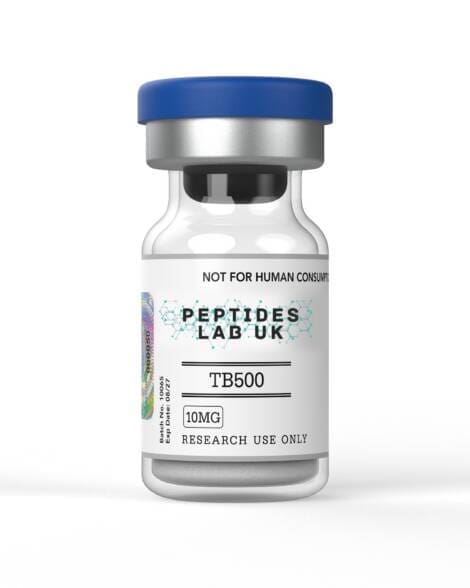
Buy Glow Stack UK from Peptides Lab UK, supplied as a 70mg combined blend (50mg GHK-Cu + 10mg BPC-157 + 10mg TB-500) per vial.
The Glow Stack is a three-peptide research preparation referenced in pre-clinical literature on extracellular-matrix remodelling and cytoprotective signalling. It is one of our most requested combination vials among UK research peptide laboratories.
Supplied as a lyophilised powder in a sealed laboratory vial, third-party HPLC-verified to greater than 99% purity, with a batch-specific Certificate of Analysis available on request. Same-day UK dispatch on orders placed before 3pm, plain packaging.
For laboratory and in vitro research use only. Not for human consumption. Not a medicine.
Looking for a Certificate of Analysis?
If you are looking for a Certificate Of Analysis, please email research@peptideslabuk.com to have it sent to you.
Please Note: Many sites are displaying counterfeit COAs, so ours is provided upon request.
If you are looking for a Certificate Of Analysis, please email research@peptideslabuk.com to have it sent to you.
Please Note: Many sites are displaying counterfeit COAs, so ours is provided upon request.
You may also like…
-
Login for member prices
- Login for member prices
-
Login for member prices
-
Login for member prices
Product Description
The Glow Stack (BPC-157 + TB-500 + GHK-Cu) – 70mg Triple-Peptide Research Blend | Peptides Lab UK
The Glow Stack is a 70mg triple-peptide research blend combining BPC-157 (Body Protective Compound-157), TB-500 (Thymosin Beta-4 fragment), and GHK-Cu (Glycyl-L-Histidyl-L-Lysine Copper) — three of the most extensively studied peptides in tissue repair, collagen synthesis, and cellular regeneration research — supplied by Peptides Lab UK in lyophilised format at >99% purity (HPLC verified) for in vitro and pre-clinical laboratory research use only.
Available to buy in the UK from Peptides Lab UK, the Glow Stack brings together three peptide compounds whose published research profiles converge on overlapping yet complementary biological pathways — including angiogenesis, extracellular matrix remodelling, fibroblast activation, keratinocyte migration, and collagen and elastin synthesis. Each batch undergoes rigorous quality analysis to ensure consistent blend composition and >99% purity across all three active peptides.
What is the Glow Stack?
The Glow Stack is a multi-peptide research preparation formulated as a 70mg lyophilised blend of three structurally and functionally distinct peptides: BPC-157, TB-500, and GHK-Cu. While each compound has a well-established independent research literature, their combination in a single preparation is designed to allow researchers to study the potential synergistic interactions of complementary tissue-repair and cellular regeneration pathways simultaneously in controlled in vitro and pre-clinical experimental settings.
Each compound in the Glow Stack operates through distinct — but overlapping — primary mechanisms. BPC-157 activates ERK1/2, VEGFR2, and nitric oxide signalling pathways to promote angiogenesis and fibroblast activity. TB-500 (the Thymosin Beta-4 fragment) sequesters actin, drives cell migration and stem cell mobilisation, and reduces apoptosis and inflammation. GHK-Cu acts as a copper-binding signalling peptide that modulates the expression of thousands of genes involved in collagen remodelling, antioxidant defence, and tissue repair. Together, these three mechanisms span the key stages of the wound healing and tissue regeneration cascade — from initial vascular response and inflammation modulation through to matrix remodelling and re-epithelialisation — making the Glow Stack a unique tool for multi-pathway tissue biology research.
The Glow Stack – Composition & Key Research Facts
- Total blend weight: 70mg lyophilised powder per vial
- Components: BPC-157 (pentadecapeptide), TB-500 (Thymosin Beta-4 fragment), GHK-Cu (copper tripeptide-1)
- Primary research focus: Tissue repair signalling pathways, extracellular matrix biology, collagen synthesis, angiogenesis, fibroblast and keratinocyte biology
- Pathway coverage: ERK1/2, VEGFR2/PI3K/Akt/eNOS (BPC-157); actin-sequestration, cell migration, stem cell mobilisation (TB-500); MMP/TIMP balance, collagen/elastin synthesis, gene expression modulation (GHK-Cu)
- Format: Lyophilised powder — >99% purity HPLC verified across all three components
- Distributed by: Peptides Lab UK
What Does the Glow Stack Do in Research?
In laboratory and pre-clinical research settings, the three peptides in the Glow Stack are each studied for their individual effects on tissue repair and regeneration pathways. When studied in combination, the blend allows researchers to investigate whether BPC-157’s pro-angiogenic and fibroblast-activating effects, TB-500’s cell-migration and stem cell-mobilising properties, and GHK-Cu’s collagen-remodelling and gene-expression-modulating activity produce additive or potentiating outcomes in controlled experimental models.
The three peptides act at different — yet complementary — stages of the tissue repair cascade. BPC-157 operates primarily at the vascular and fibroblast level, driving the early angiogenic response and connective tissue rebuilding. TB-500 drives cellular mobilisation, particularly promoting the migration of keratinocytes, endothelial cells, and stem/progenitor cells to sites of tissue disruption, while simultaneously suppressing inflammatory and apoptotic signalling. GHK-Cu acts at the extracellular matrix (ECM) level, modulating the balance between matrix metalloproteinases (MMPs) and their inhibitors (TIMPs) to regulate collagen turnover, and stimulating fibroblasts to produce collagen type I, collagen type III, and elastin.
Key Research Areas for the Glow Stack
- Multi-pathway tissue repair and regeneration signalling studies — ERK1/2, VEGFR2, eNOS, actin dynamics, MMP/TIMP
- Angiogenesis pathway research — VEGF-A upregulation, vascular tube formation, endothelial cell proliferation and migration
- Collagen and elastin synthesis studies — fibroblast activation, MMP/TIMP gene expression, ECM remodelling
- Keratinocyte and stem/progenitor cell migration assays in vitro
- Anti-apoptotic and anti-inflammatory pathway investigations
- Structure–activity relationship (SAR) studies across three peptide classes simultaneously
- Gene expression modulation — GHK-Cu influence on 4,000+ tissue-repair-related genes
- Wound healing cascade pathway research — vascular, cellular, and matrix remodelling stages
What Do Studies Say About the Glow Stack Peptides?
Each of the three peptides in the Glow Stack has a strong, independent body of published pre-clinical and clinical research. The studies below cover the key findings for each compound individually.
BPC-157 (Body Protective Compound-157) Research
Wound Healing & Collagen Formation (PubMed / ScienceDirect, 1997)
One of the earliest published studies of BPC-157’s tissue effects used three experimental rat models — skin incisional wounds, colon-colon anastomoses, and synthetic sponge implantation — to assess its influence on granulation tissue formation, collagen production, angiogenesis, and tensile strength development. Specimens were histologically assessed for collagen, reticulin, and blood vessels. Significant differences between BPC-157-treated animals and controls were found across all three models, with the authors describing a strong, promoting involvement of BPC-157 in the healing process. Notably, effects were achieved via multiple routes of application including intragastric and local, suggesting broad applicability across experimental delivery methods.
Reference: Sikiric P et al. (1997). BPC 157’s effect on healing. Journal of Physiology (Paris). DOI: 10.1016/S0928-4257(97)89480-6. PubMed PMID: 9403790.
ERK1/2, VEGFR2 & Angiogenesis Signalling Review (PMC, 2025)
A 2025 scoping review published in PMC evaluated BPC-157’s molecular mechanisms in musculoskeletal healing. The review confirmed that BPC-157 activates VEGFR2 and drives nitric oxide synthesis via the Akt-eNOS axis, promoting angiogenesis, fibroblast activity, and neuromuscular stabilisation. In endothelial cell models, BPC-157 significantly enhanced ERK1/2 phosphorylation in a dose-dependent manner, leading to increased cellular proliferation, migration, and vascular tube formation. These effects were mediated through downstream activation of transcription factors including c-Fos, c-Jun, and EGR-1, which regulate genes involved in cell cycle progression, extracellular matrix remodelling, and angiogenic signalling.
Reference: McGuire F et al. (2025). Regeneration or Risk? A Narrative Review of BPC-157 for Musculoskeletal Healing. PMC Article PMC12446177.
Alkali-Burn Wound Healing, VEGF-A & ERK1/2 (PMC / Dove Press, 2015)
A controlled study published in PMC and Dove Press investigated BPC-157’s effects on alkali-burn wound healing in vivo and on HUVEC (human umbilical vein endothelial cell) behaviour in vitro. BPC-157 was found to be effective in the very low dose range, accelerating wound healing with better granulation tissue formation, re-epithelialisation, dermal remodelling, and higher collagen deposition than the model control group at day 18. BPC-157 also promoted VEGF-a expression in wounded skin tissues, enhanced HUVEC proliferation and migration, and accelerated vascular tube formation in vitro. The study confirmed that BPC-157’s effects on tube formation were mediated via the ERK1/2 signalling pathway, as its effects were significantly inhibited by the ERK1/2 inhibitor PD98059.
Reference: Huang T et al. (2015). Body protective compound-157 enhances alkali-burn wound healing in vivo and promotes proliferation, migration, and angiogenesis in vitro. Drug Design, Development and Therapy. PMC Article PMC4425239.
TB-500 (Thymosin Beta-4) Research
Wound Healing, Angiogenesis & Keratinocyte Migration (PubMed, 1999)
A foundational pre-clinical study published on PubMed investigated Thymosin Beta-4 (TB4) in a rat full-thickness wound model. Topical and intraperitoneal addition of TB4 increased re-epithelialisation by 42% over saline controls at day 4, and by up to 61% at day 7 post-wounding. Treated wounds contracted at least 11% more than controls by day 7, and increased collagen deposition and angiogenesis were observed. In the Boyden chamber assay, TB4 stimulated keratinocyte migration 2–3-fold over medium alone after just 4–5 hours, with as little as 10 pg of TB4 sufficient to produce a potent stimulatory response. The authors described TB4 as a potent wound healing factor with multiple activities.
Reference: Malinda KM et al. (1999). Thymosin beta4 accelerates wound healing. Journal of Investigative Dermatology. PubMed PMID: 10469335.
Multi-Functional Regenerative Peptide Review (PubMed, 2012)
A comprehensive review published on PubMed examined the structure, biological properties, and clinical applications of Thymosin Beta-4. The review confirmed that TB4 is released by platelets, macrophages, and many other cell types following injury, where it protects cells and tissues from further damage and reduces apoptosis, inflammation, and microbial growth. It binds to actin and promotes cell migration — including the mobilisation, migration, and differentiation of stem/progenitor cells that form new blood vessels and regenerate tissue. The review also described TB4’s ability to decrease the number of myofibroblasts in wounds, resulting in decreased scar formation and fibrosis. The authors cited the scientific foundation provided by these studies as supporting ongoing and projected clinical trials in dermal wound repair, corneal injuries, and cardiac and CNS tissue regeneration.
Reference: Goldstein AL et al. (2012). Thymosin beta4: a multi-functional regenerative peptide. Basic properties and clinical applications. Expert Opinion on Biological Therapy. PubMed PMID: 22074294.
Dermal Healing Acceleration — Pre-Clinical Models & Phase 2 Trials (PubMed, 2012)
A review of Thymosin Beta-4’s pre-clinical and clinical dermal healing evidence published on PubMed confirmed that TB4 accelerated dermal healing of full-thickness punch wounds across a wide range of animal models — including normal rats and mice, steroid-treated rats, diabetic mice, and aged mice. It was also found to be active in burn models. In two Phase 2 clinical trials covering stasis and pressure ulcers, TB4 accelerated healing by almost a month in patients who achieved complete wound closure. The authors concluded that TB4 is a multifunctional regenerative peptide important in dermal repair, acting through promotion of cell migration, stem cell mobilisation and differentiation, and inhibition of inflammation and apoptosis.
Reference: Kleinman HK & Sosne G (2012). The regenerative peptide thymosin β4 accelerates the rate of dermal healing in preclinical animal models and in patients. Expert Opinion on Biological Therapy. PubMed PMID: 23050815.
GHK-Cu (Copper Tripeptide-1) Research
Gene Expression, Collagen Synthesis & Skin Regeneration Review (PMC, 2018)
A comprehensive review published in PMC examined GHK-Cu’s multi-pathway actions in the light of new gene profiling data. The review confirmed that GHK-Cu stimulates blood vessel and nerve outgrowth, increases collagen, elastin, and glycosaminoglycan synthesis, and supports dermal fibroblast function. GHK-Cu applied to thigh skin for 12 weeks improved collagen production in 70% of women treated — compared to 50% treated with vitamin C cream and 40% with retinoic acid. Gene profiling studies were reported to show GHK-Cu affects a large number of genes related to tissue remodelling, antioxidant defence, anti-inflammatory activity, blood vessel growth, and nerve outgrowth. Naturally occurring plasma levels of GHK were confirmed to decline from approximately 200 μg/L at age 20–25 to 80 μg/L by age 60–80, coinciding with reduced regenerative capacity.
Reference: Pickart L et al. (2018). Regenerative and Protective Actions of the GHK-Cu Peptide in the Light of the New Gene Data. International Journal of Molecular Sciences. PMC Article PMC6073405.
Skin Repair Pathways — MMP/TIMP, Collagen & Elastin (PMC, 2015)
A focused review of GHK as a modulator of multiple skin regeneration pathways published in PMC confirmed that GHK-Cu stimulates both synthesis and breakdown of collagen and glycosaminoglycans, and modulates the activity of matrix metalloproteinases (MMPs) and their inhibitors (TIMPs). GHK-Cu at 0.01, 1, and 100 nM incubated with human adult dermal fibroblasts was found to increase production of both collagen and elastin. The review further documented that GHK-Cu attracts immune and endothelial cells to sites of injury, restores replicative vitality to fibroblasts following radiation damage, and stimulates epidermal basal cells to increase integrin and p63 expression — markers of cellular stemness. In cosmetic product studies, GHK-Cu was found to tighten loose skin, improve elasticity, density, and firmness, and reduce fine lines, wrinkles, photodamage, and hyperpigmentation.
Reference: Gorouhi F & Maibach HI (2015). GHK Peptide as a Natural Modulator of Multiple Cellular Pathways in Skin Regeneration. BioMed Research International. PMC Article PMC4508379.
Tripeptide Wound Healing & ECM Remodelling Review (Med Sci, 2025)
A comprehensive 2025 review of tripeptides in wound healing and skin regeneration confirmed GHK-Cu as the most studied tripeptide in the context of wound repair and scar minimisation. The review documented GHK-Cu’s ability to promote balanced collagen synthesis, accelerate epithelialisation, and reduce fibrosis in both in vitro and pre-clinical models. The review also noted that GHK-Cu’s copper complexation ability raises Cu2+ penetration rates across the stratum corneum, and documented the development of formulation innovations — including the TriHex peptide system — that combine GHK-Cu-type tripeptides with hexapeptides to produce synergistic upregulation of regenerative genes and suppression of aberrant collagen deposition.
Reference: Wound Healing Tripeptide Review (2025). Exploring the Role of Tripeptides in Wound Healing and Skin Regeneration: A Comprehensive Review. Medical Sciences. doi:10.3390/medsci13020058.
Glow Stack UK – Specifications
Product Details
- Total blend: 70mg lyophilised powder per vial
- Components: BPC-157, TB-500 (Thymosin Beta-4 fragment), GHK-Cu
- Purity:>99% (HPLC verified across all three components)
- Form: Lyophilised powder
- Storage: Store dry at –20°C; protect from light
- Solubility: Bacteriostatic water, sterile water, or suitable laboratory solvents
- Distributed by: Peptides Lab UK
- Quality assurance: Rigorous batch-level analysis; certificate of analysis available on request
Research Applications
Suitable Laboratory Uses for the Glow Stack
- Multi-pathway tissue repair signalling studies — ERK1/2, VEGFR2/PI3K/Akt/eNOS, actin dynamics, MMP/TIMP
- Angiogenesis pathway research — VEGF-A expression, vascular tube formation, endothelial proliferation and migration
- Collagen type I and III and elastin synthesis studies in dermal fibroblast models
- Keratinocyte migration and re-epithelialisation assays in vitro
- Stem and progenitor cell mobilisation and differentiation studies
- Anti-inflammatory and anti-apoptotic pathway research (BCL-2, caspase modulation)
- Extracellular matrix remodelling and scar formation biology studies
- Gene expression modulation research — GHK-Cu influence on tissue-repair gene panels
- Multi-peptide combination pathway and synergy studies
- Molecular analysis and controlled laboratory experiments
Why Buy the Glow Stack in the UK from Peptides Lab UK?
Peptides Lab UK is a trusted UK-based supplier of research-grade peptides and multi-peptide blends. All products are distributed in lyophilised format with batch-verified purity documentation. Whether you are looking to buy BPC-157, TB-500, or GHK-Cu separately or as a combined research preparation in the UK, Peptides Lab UK provides consistent quality with rigorous third-party analysis on every batch.
The Glow Stack’s 70mg lyophilised blend format allows researchers to prepare a wide range of research concentrations from a single, quality-verified preparation — reducing the need to source and quality-verify three independent compounds separately.
Related Search Terms
Researchers searching for: buy Glow Stack peptide UK, BPC-157 TB-500 GHK-Cu blend UK, Glow Stack research peptide UK, BPC-157 UK research, TB-500 UK peptide, GHK-Cu UK research, buy BPC-157 UK, buy TB-500 UK, buy GHK-Cu UK, triple peptide blend UK, tissue repair peptide UK, UK peptides research grade, Peptides UK lab supply, collagen peptide UK research, regenerative peptide stack UK — Peptides Lab UK supplies this compound for qualified laboratory researchers within the United Kingdom.
Important Notice & Research Disclaimer
⚠️ This product is supplied by Peptides Lab UK strictly for laboratory research use only. The Glow Stack (BPC-157 + TB-500 + GHK-Cu) as distributed by Peptides Lab UK is not intended for, and must not be used for, human consumption, medical treatment, self-administration, veterinary applications, or any use outside of a controlled laboratory environment. This compound is handled exclusively in controlled research settings for in vitro and pre-clinical studies, with no applications in human or veterinary medicine.
Handling must only be performed by qualified and trained laboratory professionals in accordance with applicable regulations and institutional guidelines. Peptides Lab UK accepts no liability for any use of this compound outside of its intended laboratory research purpose.
References to clinical trials and published research throughout this description are provided for informational and research context only and do not constitute medical claims or endorsements of any therapeutic application of this product.
Related products
-
Login for member prices
-
Login for member prices
-
Login for member prices
