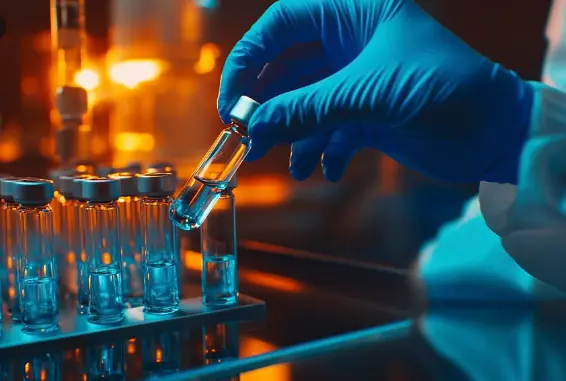
What Are Research Peptides?
Research peptides are short chains of amino acids, typically comprising 2 to 50 amino acids linked together. To understand peptides, it’s helpful to know how they differ from proteins. Whilst both peptides and proteins are made from amino acids, the distinction lies in their size. Peptides contain fewer amino acids than proteins, making them smaller molecules that behave differently in laboratory settings.
In research contexts, peptides are used to study how amino acid sequences affect biological function. Scientists use them to investigate cell signalling, hormone pathways, immune responses, and metabolic processes. Because peptides are smaller and more specific than whole proteins, they allow researchers to isolate and examine precise biological mechanisms.
Why Are Research Peptides Used?
Research peptides have become essential tools in biochemistry, molecular biology, and pharmaceutical development. They allow scientists to study specific amino acid sequences and their biological effects, develop new therapeutic compounds, investigate hormone and hormone-receptor interactions, test potential treatments in controlled laboratory environments, and understand cellular and metabolic pathways.
The use of peptides in research accelerates the discovery process whilst maintaining rigorous scientific standards. Unlike testing on whole organisms, peptide research allows precise control of variables and detailed observation of specific biological outcomes.
Main Categories of Research Peptides
Growth Hormone Secretagogues
These peptides stimulate the release of growth hormone in laboratory models. Researchers use them to study growth hormone pathways and metabolic effects in controlled settings.
Healing and Recovery Peptides
This category includes peptides investigated for their potential to support tissue repair and research applications processes. Research in this area explores how peptides interact with collagen synthesis and cellular regeneration pathways.
Cognitive and Neurological Peptides
Scientists study these peptides to understand brain function, neuroprotection, and cognitive processes. Research focuses on how peptides might support neuroplasticity and cellular health in neural tissue.
Metabolic Peptides
These peptides are used to investigate metabolism, energy utilisation, and metabolic signalling pathways. Researchers examine how they interact with metabolic regulators and energy-producing mechanisms.
Antimicrobial Peptides
This growing field studies peptides with antimicrobial properties. Research explores their mechanisms and potential applications in understanding microbial resistance and host defence systems.
Understanding Certificates of Analysis (COA)
When sourcing research peptides, a Certificate of Analysis (COA) is essential documentation you should always request. A COA is a laboratory-generated report that verifies purity (the percentage of active peptide versus inert compounds — typically 98-99% for quality suppliers), identity (confirmation that the peptide is what it claims to be, verified through HPLC or mass spectrometry), sterility (proof that the peptide is free from bacterial and fungal contamination), and endotoxin levels (verification that bacterial endotoxins are within safe limits for research use).
A legitimate research peptide supplier always provides a COA for each batch. This documentation ensures your research uses compounds of known quality and purity, which is crucial for reproducible and reliable results.
Storage Basics for Research Peptides
Lyophilised Peptides (Freeze-Dried)
Most research peptides arrive as lyophilised (freeze-dried) powders. In this form, peptides are extremely stable. Before use, they must be reconstituted with bacteriostatic water — sterile water containing 0.9% benzyl alcohol as a preservative. This prevents bacterial growth during storage of the reconstituted solution.
Lyophilised peptides should be stored at -20°C for long-term stability. When stored properly, they remain viable for months to years, making them ideal for research laboratories.
Reconstituted Peptides
Once dissolved in bacteriostatic water, peptides must be refrigerated (2-8°C) to slow degradation. Even under refrigeration, reconstituted peptides gradually degrade, so they’re best used within 2-4 weeks of reconstitution.
🔗 Related Reading: For a comprehensive overview of peptide reconstitution procedures, bacteriostatic water, and laboratory protocols, see our How to Reconstitute Peptides: Complete UK Laboratory Guide (2026).
Reconstitution Basics
Reconstituting a lyophilised peptide is straightforward. Calculate the correct volume of bacteriostatic water needed (your supplier typically specifies this), draw the specified amount of bacteriostatic water into an insulin syringe, inject slowly into the vial containing the lyophilised peptide, let it dissolve at room temperature for 10-15 minutes without shaking vigorously (as this can denature the peptide), and store the reconstituted solution in the refrigerator at 2-8°C.
Research Context: Not for Human Use
It’s critical to understand that research peptides are for laboratory use only. They are not approved for human consumption, injection, or therapeutic use. All research peptide use must take place in appropriate laboratory settings with proper training, equipment, and adherence to institutional guidelines and legal requirements.
This distinction is important for both legal compliance and scientific integrity. Research peptides allow scientists to conduct controlled experiments and generate data that may eventually lead to approved therapeutic applications, but the peptides themselves remain strictly research tools.
How to Choose a Research Peptide Supplier
Selecting a reliable supplier is one of the most important decisions for your research. Look for COA provision (suppliers should provide a detailed COA for every batch without hesitation), purity standards (quality suppliers guarantee 98%+ purity), reputation (check reviews and whether they’re established in the research community), UK-based operations (for research in the UK, domestic suppliers offer faster delivery and clearer regulatory alignment), sterility documentation, appropriate storage conditions, and responsive customer support for questions about reconstitution, storage, and research protocols.
UK Legal Framework for Research Peptides
In the United Kingdom, research peptides are legal to purchase and use in approved laboratory settings. However, there are important regulations to understand: research peptides must only be used for legitimate research and scientific purposes, they cannot be sold or marketed for human consumption or injection, institutions conducting research must maintain proper safety and ethics protocols, and suppliers must provide documentation confirming the research legitimacy of purchases.
Getting Started with Research Peptides
Beginning your work with research peptides requires a methodical approach: define your research objectives and which peptides are appropriate; source peptides from reputable UK suppliers with verified COAs; familiarise yourself with proper storage and reconstitution procedures; establish safe handling protocols in your laboratory; document all procedures and results carefully; and stay informed about regulatory requirements in your region.
🇬🇧 UK Research Peptides: PeptidesLab UK supplies COA-verified research peptides for laboratory use. View UK stock →