Skip to content Skip to footer

TB-500 UK: Complete Research Guide (2026)

🇬🇧 UK Research Stock · Dispatched Today
TB-500 — Research Grade
≥99% HPLC-verified · Batch-Specific COA · UK Dispatch
From £23.99

Buy TB-500 UK →

Quick Answer: TB-500 is a synthetic peptide derived from the actin-binding domain of Thymosin Beta-4, a naturally occurring 43-amino-acid protein. It regulates cell migration by binding G-actin, and has been studied in preclinical models for wound healing, tissue repair, cardiac protection, and muscle recovery. It is legal to purchase in the UK for research purposes. It is not approved for human use by the MHRA.

What Is TB-500? Origin and Classification

TB-500 is a synthetic peptide corresponding to the actin-binding domain of Thymosin Beta-4 (Tβ4) — specifically the 17-23 amino acid segment with the sequence Ac-LKKTETQ-amide. Thymosin Beta-4 itself is a 43-amino-acid peptide that occurs naturally in virtually all human and animal tissues, with particularly high concentrations in platelets, wound fluid, and tissues undergoing active repair or regeneration.

The relationship between TB-500 and Thymosin Beta-4 is important to understand clearly: TB-500 is not the same molecule as Thymosin Beta-4 but is derived from it, specifically engineered to isolate and reproduce the most biologically active segment — the LKKTETQ domain — that governs the protein’s primary mechanism of action in tissue repair. This makes TB-500 a more targeted and economically accessible research analogue of the full Thymosin Beta-4 sequence.

Thymosin Beta-4 was first isolated from thymus tissue in the 1960s as part of a broader investigation into thymic peptides involved in immune regulation. Its role in actin dynamics and wound healing was characterised in subsequent decades, with the seminal work by Huff et al. (Ann N Y Acad Sci, 2001; PMID: 11797633) establishing the mechanistic basis for its cell migration effects. For background on naming: What Does TB-500 Stand For? and Where Does TB-500 Come From?

How Does TB-500 Work? The Actin Regulation Mechanism

To understand TB-500’s mechanism, a brief grounding in actin biology is necessary. Actin exists in two forms in cells: G-actin (globular, monomeric — the building block) and F-actin (filamentous, polymerised — the structural form assembled from G-actin subunits). The dynamic equilibrium between these two forms — actin polymerisation and depolymerisation — is fundamental to virtually every cellular process that requires shape change or movement, including cell migration, cell division, and phagocytosis.

G-Actin Sequestration and LKKTETQ Domain

TB-500 (and Thymosin Beta-4) binds to G-actin through its LKKTETQ domain in a 1:1 molar ratio. By binding free G-actin, it sequesters the monomer pool — keeping actin in its globular, unpolymerised form. This regulates the rate and extent of F-actin assembly at the leading edge of migrating cells (the lamellipodia). Cells that are actively migrating — which is what happens when fibroblasts and epithelial cells move into a wound site — require precisely regulated actin dynamics for efficient locomotion. TB-500’s modulation of this system directly influences migration speed and directionality. For more detail: How does TB-500 work in the body?

Cell Migration and Wound Healing

The direct consequence of G-actin sequestration is enhanced cell migration capacity. Wound healing requires coordinated migration of multiple cell types: keratinocytes migrate to resurface the wound, fibroblasts migrate to deposit collagen matrix, and endothelial cells migrate to form new capillaries. TB-500’s regulation of actin dynamics facilitates all three of these processes, which explains why research has observed broad wound healing acceleration across different tissue types, not just in one specific pathway. See: Is TB-500 good for wound healing? and How does TB-500 speed up healing?

Anti-inflammatory Signalling

Thymosin Beta-4 (and by extension TB-500) has documented anti-inflammatory properties beyond its actin sequestration function. It downregulates nuclear factor kappa-B (NF-κB), a master transcription factor for pro-inflammatory cytokine production. In wound healing and injury models, this anti-inflammatory effect helps resolve the acute inflammatory phase more rapidly, allowing the tissue to progress to the proliferative repair phase more efficiently.

Cardiac and Stem Cell Mobilisation Effects

One of the most scientifically interesting aspects of Thymosin Beta-4 / TB-500 research is its documented effects on cardiac tissue. Multiple studies have shown that Tβ4 can mobilise cardiac progenitor cells, stimulate cardiomyocyte survival signalling, and reduce infarct size in myocardial infarction models. These effects go beyond simple actin regulation and suggest broader cell survival and progenitor mobilisation mechanisms. TB-500 is studied in this context as a more accessible proxy for the full Thymosin Beta-4 sequence (Goldstein AL et al., Expert Opin Biol Ther, 2012; PMID: 22073796).

Sourcing TB-500 for your research? From £23.99
≥99% HPLC purity · batch-specific COA published before purchase · UK storage and same-day dispatch.

View TB-500 Product Page →

TB-500 Research Areas

Wound Healing and Skin Repair

The most extensively documented application is cutaneous wound healing. Multiple animal studies have demonstrated statistically significant acceleration of full-thickness wound closure with Thymosin Beta-4 / TB-500 administration, with improvements in both closure rate and the quality of healed tissue (reduced scarring, better collagen architecture). The keratinocyte migration mechanism is the primary driver here — TB-500’s actin regulation enables more rapid re-epithelialisation of the wound surface. See: What are the benefits of TB-500?

Muscle Repair and Recovery

Skeletal muscle injury models have consistently shown that TB-500 accelerates satellite cell (muscle stem cell) activation and migration to the injury site, speeding the myogenic repair process. Muscle repair requires the same actin-dependent cell migration that TB-500 facilitates in other tissues. Additionally, the anti-inflammatory properties may reduce the magnitude and duration of post-injury inflammation, a known impediment to muscle recovery. For applications to injury timelines: Does TB-500 increase recovery time? and How does TB-500 help injuries?

Cardiac Protection and Repair

Thymosin Beta-4’s cardiac effects represent one of the most clinically promising research directions. Studies in rodent myocardial infarction models showed that Tβ4 administration reduced cardiomyocyte apoptosis, decreased infarct size, and promoted formation of new blood vessels in the peri-infarct zone. Remarkably, these studies also found evidence that Tβ4 can reactivate dormant epicardial progenitor cells — a population thought to be unable to contribute to adult cardiac repair. These findings have attracted significant interest from academic and pharmaceutical groups exploring cardiac regenerative approaches.

Corneal and Ocular Healing

The corneal epithelium is one of the highest-expression sites for Thymosin Beta-4 in the body, and corneal wound healing has been a productive application area. Multiple studies in animal models have shown TB-500 significantly accelerates corneal epithelial cell migration and wound closure. A Phase 2 clinical study using a Thymosin Beta-4 eye drop formulation for dry eye disease was conducted, making this one of the few human-context applications of Tβ4 biology — though the research remains early stage.

Neurological Research

TB-500 has been studied in spinal cord injury and traumatic brain injury models, where its anti-inflammatory properties and ability to promote neural cell migration have been examined. Results in rodent spinal cord models showed reduced lesion progression and modest improvements in motor function vs controls, attributable to both neuroprotection and facilitation of cellular repair processes at the injury site.

TB-500 vs BPC-157: Understanding the Difference

TB-500 and BPC-157 are frequently discussed together in the research context as both target tissue repair. Their mechanisms are distinct, however, and researchers should understand these differences to design appropriate experimental protocols.

Feature TB-500 BPC-157
Primary mechanism G-actin sequestration; regulates actin polymerisation and cell migration VEGFR2/angiogenesis, NO/cGMP signalling, FAK-paxillin, GH receptor
Endogenous counterpart Yes — Thymosin Beta-4 naturally occurs at high levels in wound fluid and platelets None — derived from gastric juice protein, no direct endogenous equivalent
Origin Fragment of naturally occurring Thymosin Beta-4 Synthetic sequence derived from human gastric juice protein
Cardiac research Strong — Tβ4 well-documented for cardiac progenitor mobilisation Limited cardiac data
GI research Limited Extensive — gastroprotective effects are its most characterised application
Clinical stage Early clinical trials for Tβ4 eye drops (dry eye); no completed trials for injectable TB-500 No completed human trials for any indication

For a detailed comparison of both compounds in a tissue repair context: BPC-157 vs TB-500: Which Peptide Is Better for Healing?

Is TB-500 a Growth Factor?

This is a commonly searched question, and the accurate answer requires careful framing. TB-500 is not a growth factor in the classical definition — it does not bind a transmembrane receptor tyrosine kinase to activate proliferative signalling cascades in the way that EGF, FGF, or VEGF do. Its primary mechanism (G-actin sequestration) is categorically distinct from growth factor biology.

However, Thymosin Beta-4 has been shown to interact with and modulate growth factor signalling pathways indirectly — upregulating VEGF expression in some models, interacting with PI3K/Akt survival signalling, and promoting stem cell and progenitor cell mobilisation in ways that functionally mimic some growth factor effects. This has led to its description in some literature as having “growth factor-like” activity, which explains the confusion in the research community. See: Is TB-500 a growth factor?

TB-500 Legal Status in the UK (2026)

TB-500 is not a controlled substance under the Misuse of Drugs Act 1971 and does not fall within the scope of the Psychoactive Substances Act 2016. It is not listed on any MHRA prescription-only or pharmacy medicine schedule.

TB-500 is a research chemical that is legal to purchase, possess, and use for legitimate laboratory research purposes in the UK. Suppliers may sell it with clear “for research use only / not for human consumption” labelling in full compliance with UK regulatory requirements. It cannot lawfully be marketed for human consumption or sold as a supplement.

For the full regulatory picture on UK peptide law: Are peptides legal in the UK?

TB-500 Safety Profile

Within the preclinical research literature, Thymosin Beta-4 and TB-500 have demonstrated consistently favourable safety profiles. No significant adverse events, organ toxicity, or lethal doses have been identified at pharmacologically relevant doses in animal models. The early-stage clinical work on Thymosin Beta-4 eye drops has similarly not identified safety signals of concern.

As with all research peptides, the preclinical safety record does not establish human safety — no completed injectable human clinical trial data exists for TB-500 specifically, meaning extrapolation to human use cannot be made from available evidence. For the preclinical adverse event data: Does TB-500 have side effects?

TB-500 Storage and Reconstitution

Storage Guidelines

  • Lyophilised powder: Store at -20°C for long-term stability (12–24 months). Short-term at 2–8°C for up to 3 months. Protect from light and moisture.
  • Reconstituted solution: Store at 2–8°C. Use within 28 days. Protect from light. Do not freeze reconstituted solution.

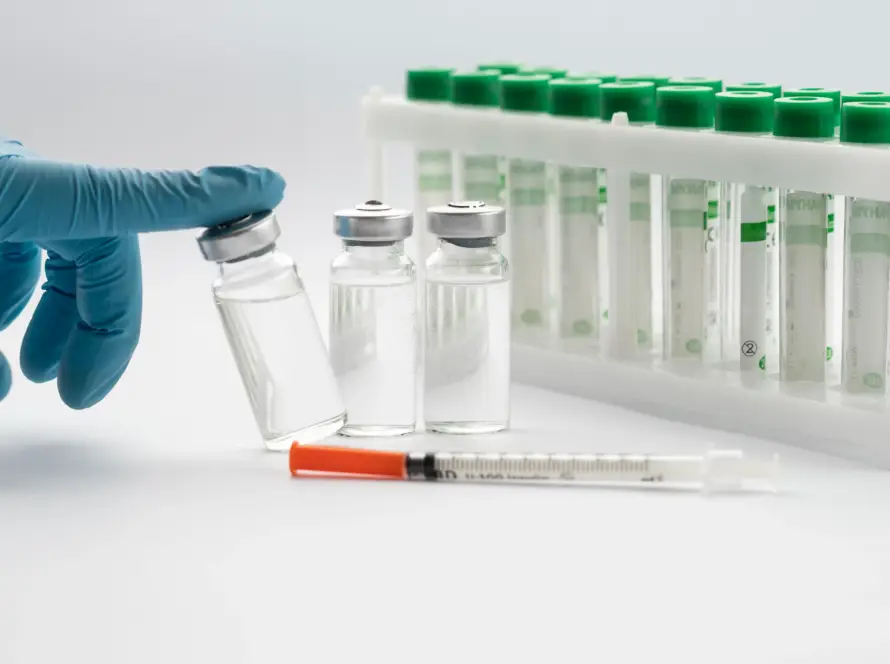
Reconstitution Protocol

  • Reconstitute with bacteriostatic water (0.9% benzyl alcohol in sterile water)
  • Add diluent slowly down the side of the vial — do not inject directly onto the lyophilised cake
  • Swirl gently to dissolve — do not shake or vortex
  • Solution should be clear and colourless; discard if cloudy or contains visible particles

For reconstitution context: How is TB-500 Administered? and How do you take TB-500?

Sourcing Research-Grade TB-500 in the UK

For reproducible laboratory results, research-grade TB-500 must meet minimum quality standards:

  • Purity ≥98% by HPLC with a batch-specific third-party Certificate of Analysis
  • Molecular weight confirmation by mass spectrometry (TB-500 MW: approximately 2,113 Da)
  • Endotoxin testing for in-vivo research applications
  • UK-dispatched stock to eliminate cold-chain exposure during international transit

Peptides Lab UK supplies independently HPLC-tested, batch-COA-verified TB-500 dispatched from UK stock. Products are clearly labelled for research use only in full compliance with UK regulatory requirements.

Ready to Order?
Research-Grade TB-500 — In UK Stock
≥99% HPLC verified · Batch-specific COA · Dispatched today
From £23.99 · 5mg & 10mg

View TB-500 Product Page →

TB-500 Supporting Research: The Complete Cluster

Frequently Asked Questions: TB-500 UK Research

What is TB-500?

TB-500 is a synthetic peptide corresponding to the 17-23 amino acid actin-binding domain (LKKTETQ) of Thymosin Beta-4, a naturally occurring protein involved in cell migration and tissue repair. It is used exclusively in preclinical laboratory research and is not approved for human use.

How does TB-500 work?

By binding G-actin (monomeric actin) through its LKKTETQ domain, TB-500 regulates the dynamic equilibrium between G-actin and F-actin. This governs the speed and efficiency of cell migration — the cellular process fundamental to wound healing, tissue repair, and regeneration. TB-500 also modulates NF-κB signalling to produce anti-inflammatory effects.

Is TB-500 the same as Thymosin Beta-4?

No. Thymosin Beta-4 is the full 43-amino-acid naturally occurring protein. TB-500 is specifically the synthetic 7-amino-acid actin-binding domain (LKKTETQ, residues 17-23) of Thymosin Beta-4. TB-500 is used as a more accessible research analogue that reproduces the key biological activity of the full sequence.

Is TB-500 legal in the UK?

Yes, TB-500 is legal to purchase and possess in the UK for legitimate research purposes. It is not a controlled substance and is not a licensed medicine. It cannot be marketed or sold for human consumption.

What purity should research-grade TB-500 have?

A minimum of 98% purity by HPLC, confirmed by a batch-specific Certificate of Analysis from an independent third-party laboratory. For in-vivo protocols, endotoxin testing is additionally required. Mass spectrometry confirmation of the correct molecular weight (approximately 2,113 Da) should also be provided.


Source Research-Grade TB-500 in the UK

Peptides Lab UK supplies independently HPLC-tested, batch-COA-verified TB-500 dispatched from UK stock. Every product is clearly labelled for research use only, in full compliance with UK regulatory requirements — no prescription required for laboratory purchase. View the verified TB-500 range at Peptides Lab UK →

For research purposes only / not for human consumption.

🇬🇧 UK Research Peptides: PeptidesLab UK supplies COA-verified TB-500 for research and laboratory use — from £23.99. View UK stock →

Leave a comment

0.0/5

99% Purity Guarantee
Trusted By Researchers
★★★★★
Celebrating 500,000 Orders
Third party verified