Optimal Storage Conditions for Research-Grade Thymosin Alpha-1
Preserving Thymosin Alpha-1 integrity ensures research reproducibility and optimises experimental validity. As a peptide compound, Tα1 requires specific environmental conditions to maintain stability throughout storage and experimental phases. Proper handling practices protect research investment and support rigorous data collection.
Lyophilised Thymosin Alpha-1 should be stored at temperatures between 2-8°C in light-protected amber or brown vials. UV protection proves essential, as light exposure accelerates peptide degradation. For extended storage exceeding 6 months, -20°C or -80°C freezer storage substantially extends viability, with proper storage conditions supporting 1-3 years of material stability.
Reconstitution Protocols and Solution Preparation
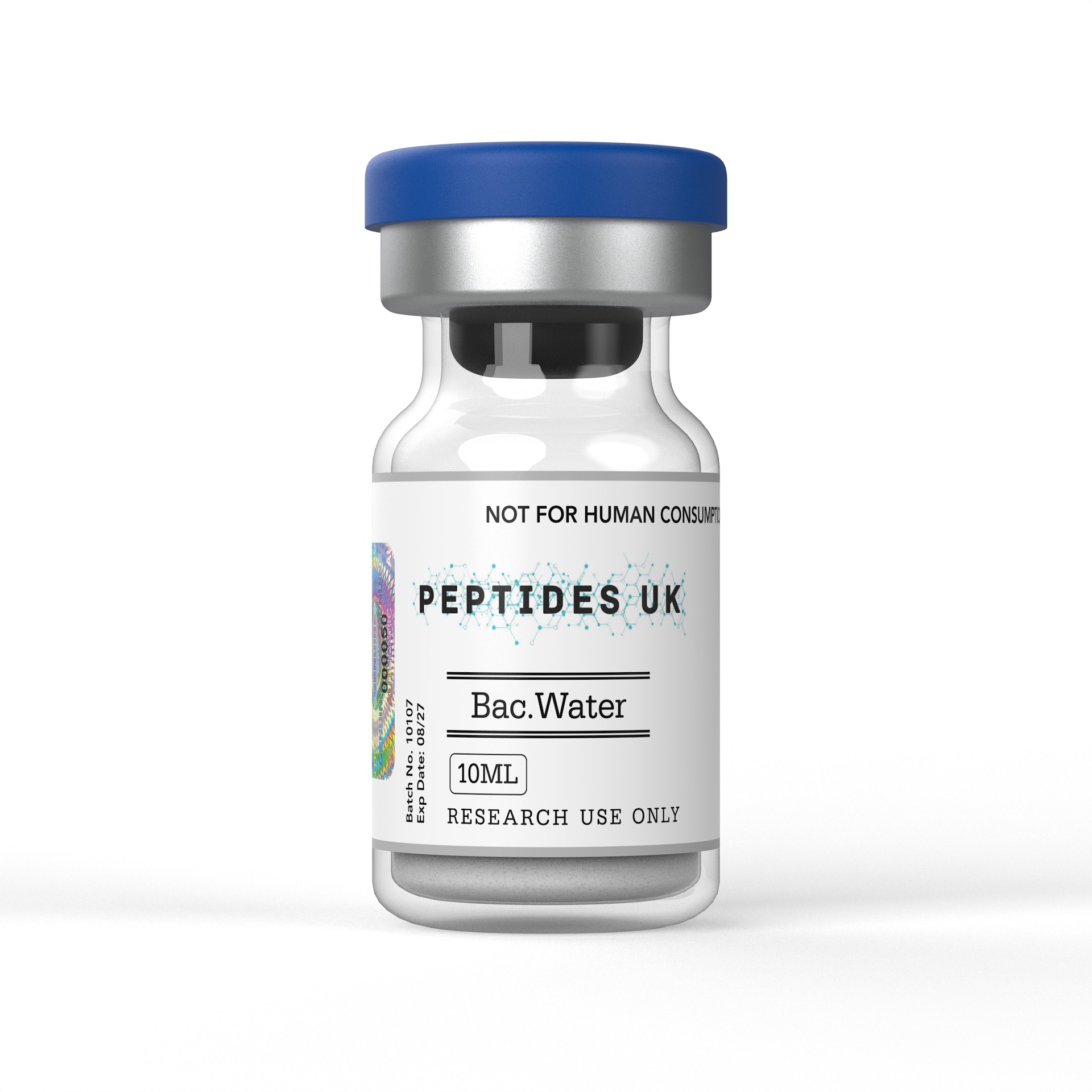
Thymosin Alpha-1 reconstitution requires sterile technique and appropriate solvent selection. Bacteriostatic water, normal saline, or phosphate-buffered saline serve as suitable reconstitution vehicles depending on specific research applications. Gentle mixing over 2-5 minutes typically achieves complete dissolution without peptide degradation.
Reconstituted Thymosin Alpha-1 demonstrates time-dependent stability, requiring storage at 2-8°C and use within 2-3 weeks of preparation. Researchers should establish clear reconstitution dating protocols and systematic usage schedules to prevent inadvertent use of degraded material.
Environmental Factors and Stability Management
Temperature fluctuation represents a critical stability threat. Repeated freeze-thaw cycles substantially reduce peptide viability. Researchers should aliquot reconstituted solutions into single-use portions, preventing unnecessary exposure to temperature variations and atmospheric contamination.
Humidity and oxygen exposure accelerate degradation of both lyophilised and reconstituted material. Maintain lyophilised Thymosin Alpha-1 in sealed vials containing desiccant packs, stored in low-humidity environments. Nitrogen-flushed vials provide additional protection against oxidative degradation during extended storage.
Quality Assurance and Documentation
Comprehensive documentation protocols support material integrity assessment throughout research projects. Maintain records documenting receipt dates, storage temperatures, reconstitution dates, usage patterns, and storage condition observations. This systematic documentation enables tracking of material age and conditions affecting stability.
For critical research phases, consider stability verification through analytical methods including HPLC or mass spectrometry, particularly if storage conditions have been suboptimal. Confirming material integrity before major experimental phases protects research validity.
Proper storage, handling, and documentation ensure that research outcomes reflect genuine Thymosin Alpha-1 effects rather than effects from degraded or contaminated material, ultimately supporting high-quality reproducible research.
Research Disclaimer: This article is for educational purposes only. Thymosin Alpha-1 is a research chemical and not approved for human consumption. Any research involving Thymosin Alpha-1 should be conducted in compliance with local regulations and ethical guidelines. Always consult relevant authorities before conducting peptide research.
🔗 Related Reading: For a comprehensive overview of Thymosin Alpha-1 research, mechanisms, UK sourcing, and safety data, see our Thymosin Alpha-1 UK: Complete Research Guide (2026).