

Quick Answer Box Research studies show GHRP-6 produces measurable biological activity within 15 minutes at the cellular level, with growth hormone pulse peaks documented at 30 minutes. Longer-term tissue-level effects in wound healing and cytoprotection studies emerge over days to weeks depending on the biological endpoint being measured.
When does GHRP-6 start working in research studies? It is a question that appears frequently in scientific literature reviews, peptide pharmacology discussions, and regenerative medicine research circles. The answer is not a single number — it depends entirely on which biological endpoint researchers are measuring, because GHRP-6 operates across multiple systems simultaneously, each with its own onset kinetics.
GHRP-6, short for Growth Hormone-Releasing Peptide-6, is a synthetic hexapeptide composed of six amino acids. It was among the earliest members of the growth hormone secretagogue (GHS) peptide family to be characterized in detail, with foundational work tracing back to the laboratory of endocrinologist Cyril Bowers, who first observed that certain chemical analogs of met-enkephalin could stimulate growth hormone release from pituitary cultures. Since those early studies, GHRP-6 research has expanded far beyond its original endocrine context to encompass cardioprotection, wound healing, anti-fibrotic effects, cytoprotection, and neuroprotection — each area carrying its own research timeline and onset characteristics.
Understanding the GHRP-6 mechanism of action and its temporal kinetics is essential for interpreting the preclinical and early clinical literature accurately. This article reviews the evidence base across different research domains, documenting what studies have shown about when GHRP-6 begins to produce measurable biological effects and how those effects evolve over time.
Table of Contents
What Is GHRP-6 and How Does It Work in Research Models?
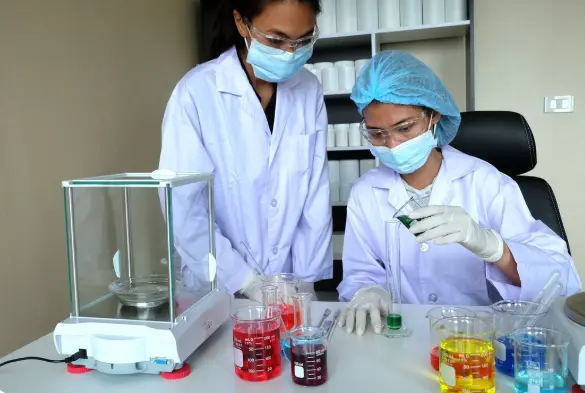
Before addressing onset timelines, it is worth establishing what GHRP-6 actually is and how it interacts with biological systems in research models. GHRP-6 is a synthetic growth hormone secretagogue peptide that acts primarily as a ligand for the growth hormone secretagogue receptor type 1a (GHS-R1a) — the same receptor that the endogenous hormone ghrelin activates. This receptor is expressed broadly across biological tissues, including the anterior pituitary gland, hypothalamus, heart, liver, and immune cells, which explains why GHRP-6 research has revealed effects well beyond simple growth hormone secretion.
The GHRP-6 mechanism of action at the cellular level is distinct from that of growth hormone-releasing hormone (GHRH). While GHRH stimulates GH release through a cyclic AMP (cAMP)-dependent signaling cascade, GHRP-6 operates through a cAMP-independent pathway involving protein kinase C (PKC) activation and mobilization of intracellular calcium reserves via the phosphatidylinositol (PI) second messenger system. This mechanistic difference is one reason GHRP-6 and GHRH act synergistically rather than redundantly when studied in combination — they are engaging separate but convergent intracellular cascades that together produce GH output far exceeding what either compound achieves individually.
In addition to GHS-R1a, research has identified CD36 — a scavenger receptor expressed in monocytes, macrophages, endothelial microvasculature, and granulation tissue of healing wounds — as a second pharmacologically relevant GHRP-6 receptor. The existence of this dual receptor profile is considered a major contributor to GHRP-6’s broad cytoprotective activity across multiple tissue types, including its documented effects on wound healing, liver fibrosis, cardiac protection, and anti-inflammatory signaling that are independent of the GH/IGF-1 axis.
GHRP-6 Half-Life and Pharmacokinetics in Research
Studies examining GHRP-6 pharmacokinetics have documented a short plasma half-life of approximately 15 to 20 minutes, which has important implications for how researchers interpret onset and duration data. The short half-life means that the acute hormonal responses observed in studies — particularly GH pulse data — represent a rapid, time-limited pharmacological event rather than a sustained elevation. This characteristic has shaped how GHRP-6 is studied in multi-dose preclinical protocols, where researchers typically space administrations to allow pituitary somatotroph cells adequate time to resynthesize and store growth hormone between stimulations.
When Does GHRP-6 Start Working? The GH Pulse Timeline
The most precisely characterized onset timeline for GHRP-6 in research studies relates to its primary endocrine effect: stimulating growth hormone secretion from pituitary somatotrophs. This is the most acute, measurable response to the peptide and has been documented across multiple human and animal studies.
Cellular Onset: 15 Minutes
Research examining GHRP-6’s effects on human pituitary somatotrophinoma cell cultures found that effects on membrane phosphatidylinositol turnover — the second messenger cascade responsible for PKC activation and calcium mobilization — were discernible after only 15 minutes of incubation and rose to a maximum at 2 hours. This study, which examined cells from eight human pituitary tumors, documented PI turnover increases ranging from 2.1- to 7.9-fold, with GH secretion elevated in parallel. This cellular-level evidence represents the earliest documented onset of GHRP-6 biological activity in human tissue research.
GH Pulse Peak: 30 to 40 Minutes
In studies using in vivo animal models with central administration, GHRP-6 stimulated GH release more than 10-fold, with peak responses occurring 30 to 40 minutes after injection. This 30-minute GH peak window is one of the most consistently reported findings across GHRP-6 research and aligns with the downstream kinetics of the PI/PKC signaling cascade identified in cellular studies.
Cardiac Inotropic Response: Within 15 Minutes
A separate and important onset timeline has been documented in cardiovascular research. A transient inotropic effect of approximately 15 minutes was observed in both healthy and infarcted rabbits following a single GHRP-6 intravenous bolus, with echocardiography recordings indicating a 15% to 20% elevation of ejection fraction. This rapid cardiac response is considered to reflect direct GHRP-6 activity at GHS-R1a receptors expressed on cardiomyocytes, operating independently of the GH axis.
GHRP-6 Research Timeline in Wound Healing Studies
While the acute GH pulse timeline is the most precisely documented, GHRP-6 wound healing research reveals a fundamentally different and more extended onset pattern. In tissue-level studies, the question shifts from “when does a hormonal response begin?” to “when do structural and biological changes in healing tissue first become measurable?”
Research published on GHRP-6’s effects on excisional full-thickness wounds in rodent models found that differences in wounded area reduction appeared since the first 24 hours post-injury in GHRP-6-treated animals compared to controls. Over the first five days following injury, GHRP-6 treatment produced measurable reductions in the inflammatory infiltration of mononuclear cells. In rabbit ear hypertrophic scar prevention models, GHRP-6 treatment produced statistically significant reductions in hypertrophic scar formation that became clearly measurable between days 14 and 30 post-injury.
GHRP-6 Research Timeline in Cardioprotection Studies
In stroke and cardiac ischemia-reperfusion (I/R) research, studies found that coadministration of GHRP-6 with agents administered up to 4 hours following the ischemic insult significantly improved survival and neurological outcome, and reduced infarct volume compared with vehicle treatment. In dilated cardiomyopathy (DCM) models, GHRP-6 administration prevented myocardial fiber consumption and ventricular dilation, with structural cardiac findings only becoming fully apparent through sequential echocardiographic evaluation over weeks to months of study duration.
GHRP-6 and the GH/IGF-1 Axis: Research on Long-Term Hormonal Effects
Research examining GHRP-6 responses in older adult subjects has documented that the peptide maintains meaningful GH secretory activity even in populations where age-related decline in GH output is well established. GH responses to GHRP-6 are much greater than to GHRH in late adulthood, and the marked increase of plasma GH levels observed indicates that impaired GH secretion in late adulthood is a functional and potentially reversible state.
Final Thought
The question of when GHRP-6 starts working in research studies does not have a single answer because the compound operates across multiple biological systems with distinct onset kinetics at each level. What research has documented clearly is that GHRP-6 begins producing measurable cellular effects within 15 minutes of exposure, reaches peak acute GH secretory activity around 30 minutes in most in vivo models, begins influencing wound healing trajectories within the first 24 hours, and produces structural tissue-level outcomes that only become fully documentable over a period of weeks.
Frequently Asked Questions (FAQ)
When does GHRP-6 start working in research studies?
Research documents the earliest measurable effects within 15 minutes at the cellular signaling level. GH pulse peaks occur around 30 minutes in animal and human pituitary studies. Tissue-level effects in wound healing models begin within 24 hours, with structural outcomes measurable over 2 to 8 weeks.
What does GHRP-6 do?
GHRP-6 is a synthetic growth hormone secretagogue that binds GHS-R1a and CD36 receptors, triggering pulsatile GH secretion from the anterior pituitary, activating PKC and calcium-dependent signaling cascades, and exerting cytoprotective, anti-inflammatory, and anti-fibrotic effects across multiple tissue systems.
Is GHRP-6 FDA approved?
No. GHRP-6 is not FDA-approved for any clinical indication. It is currently classified as a research compound. Available human data is limited to early-phase studies and specific research contexts, and it has not completed the clinical trial process required for therapeutic approval.
🔗 Related Reading: For a comprehensive overview of GHRP-6 research, mechanisms, UK sourcing, and safety data, see our GHRP-6 UK: Complete Research Guide (2026).


