

\n
Quick Answer Box: Snap-8 is a synthetic octapeptide that mimics the N-terminal fragment of SNAP-25, competitively inhibiting SNARE complex formation, reducing vesicle-mediated neurotransmitter release, and thereby attenuating repetitive muscle contractions responsible for expression-line formation.
\n\n\n\n
Snap-8 is one of the most rigorously researched cosmetic peptides in the field of topical anti-ageing science, and it sits at a genuinely fascinating intersection of neuroscience, dermatology, and peptide biochemistry. Questions about how this compound works on wrinkles — particularly expression lines — have grown considerably as the cosmetic peptide research field has matured and as demand for mechanistic understanding of non-invasive anti-ageing compounds has increased. The answer to that question involves an understanding of neuromuscular biology, intracellular vesicle trafficking, and the molecular architecture of synaptic protein complexes — all of which Snap-8 was designed specifically to engage.
\n\n\n\n
This article provides a comprehensive, research-format account of the mechanisms through which Snap-8 acts on wrinkle formation, drawing exclusively on published scientific literature and established biochemical principles. No content here implies personal use, clinical dosing guidance, or therapeutic recommendation. All described effects are presented as research findings consistent with the peer-reviewed evidence base. Readers seeking to understand the science behind this compound rather than advice about its application will find a thorough, evidence-grounded account in the sections that follow.
\n\n\n\n
What Is Snap-8? The Biochemical Identity of Acetyl Octapeptide-3
\n\n\n\n
Snap-8 is the trade name for a synthetic octapeptide — a chain of eight amino acids — formally designated acetyl octapeptide-3 in the International Nomenclature of Cosmetic Ingredients (INCI). Its chemical name reflects its structural design: it is an acetylated peptide whose sequence was engineered to mimic a specific biologically active region of synaptosomal-associated protein 25 (SNAP-25), a naturally occurring protein that plays an indispensable role in the molecular machinery governing neurotransmitter release at neuromuscular junctions.
\n\n\n\n
The development of Snap-8 was informed by the same biological rationale that underlies the mechanism of botulinum neurotoxin — the agent responsible for the muscle-relaxing effects used in aesthetic medicine. Botulinum toxin cleaves SNAP-25, permanently disabling the neurotransmitter release mechanism at the neuromuscular junction and producing complete, temporary paralysis of the targeted muscle. Snap-8 takes a different and more conservative approach: rather than destroying SNAP-25, it introduces a competitive peptide fragment that partially interferes with the protein complex formation that SNAP-25 participates in, reducing — but not eliminating — the efficiency of neurotransmitter release and thereby attenuating (rather than blocking) muscle contraction.
\n\n\n\n
The Eight Amino Acid Sequence and Its Biological Rationale
\n\n\n\n
The eight amino acid sequence of Snap-8 corresponds to a fragment of the N-terminal region of SNAP-25 that is critical for the protein’s participation in the SNARE (Soluble NSF Attachment Protein REceptor) complex. The SNARE complex is the molecular machine that drives membrane fusion between neurotransmitter-containing vesicles and the neuronal plasma membrane — the physical event through which acetylcholine is released into the neuromuscular junction to trigger muscle contraction. By mimicking this SNAP-25 fragment, Snap-8 is designed to insert itself competitively into the SNARE assembly process, partially occupying the binding site and thereby reducing the probability of full complex formation.
\n\n\n\n
The acetylation of the peptide’s N-terminal end — the chemical modification from which the INCI name acetyl octapeptide-3 is derived — serves a specific functional purpose. Acetylation increases the lipophilicity of the peptide, improving its ability to penetrate the lipid bilayer of cell membranes and reach the intracellular sites where SNARE complex assembly occurs. Without this modification, a charged, hydrophilic peptide of this length would have considerably reduced ability to cross membrane barriers and reach its target. The acetyl group is therefore a pharmacokinetically important design feature rather than merely a structural label.
\n\n\n\n
Citation: Blanes-Mira C, et al. A synthetic hexapeptide (Argireline) with antiwrinkle activity. Int J Cosmet Sci. 2002;24(5):303-310. doi:10.1046/j.1467-2494.2002.00153.x
\n\n\n\n
The SNARE Complex: Understanding the Molecular Target of Snap-8
\n\n\n\n
To understand how Snap-8 works on wrinkles at the most fundamental level, it is necessary to have a clear picture of the SNARE complex — the protein assembly that Snap-8 targets. The SNARE complex is one of the most conserved and extensively studied molecular machines in cell biology. It is responsible for mediating membrane fusion events throughout the eukaryotic cell, and its role in regulated exocytosis — the controlled release of vesicle contents to the extracellular space — is central to neurotransmission.
\n\n\n\n
SNARE Proteins: Syntaxin, SNAP-25, and Synaptobrevin
\n\n\n\n
At the neuromuscular junction, the SNARE complex is assembled from three core proteins: syntaxin-1 and SNAP-25, which are anchored in the presynaptic plasma membrane, and synaptobrevin-2 (also called VAMP-2, vesicle-associated membrane protein 2), which is embedded in the membrane of the neurotransmitter-containing synaptic vesicle. When the vesicle approaches the plasma membrane, these three proteins begin to interact — their coiled-coil helical domains zippering together from the N-terminal end toward the C-terminal end, pulling the vesicle and plasma membranes into close proximity and ultimately forcing them to fuse. This fusion releases the vesicle’s contents — acetylcholine — into the synaptic cleft, where it binds to nicotinic receptors on the muscle cell surface and triggers contraction.
\n\n\n\n
SNAP-25 is a dual-function SNARE protein: it contributes two of the four helical domains that form the core of the assembled SNARE complex (one from its N-terminal SNARE domain and one from its C-terminal SNARE domain), making it structurally central to the entire assembly process. This critical role is precisely why SNAP-25 is the target of both botulinum neurotoxin A (which cleaves the protein’s C-terminal region) and the peptide sequence that Snap-8 is designed to mimic.
\n\n\n\n
Citation: Sudhof TC. The synaptic vesicle cycle. Annu Rev Neurosci. 2004;27:509-547. doi:10.1146/annurev.neuro.26.041002.131412
\n\n\n\n
How SNARE Complex Inhibition Translates to Reduced Muscle Contraction
\n\n\n\n
When Snap-8’s peptide sequence is present in sufficient concentration at the site of SNARE complex assembly, it competes with the endogenous SNAP-25 N-terminal fragment for binding to the growing complex. Because the competitive inhibition is partial rather than complete — Snap-8 does not destroy SNAP-25 and does not fully block all SNARE complex formation — the effect on neuromuscular transmission is a reduction in the frequency and efficiency of acetylcholine release rather than a complete block. The muscle retains the ability to contract, but the magnitude of contraction in response to neural signals is attenuated.
\n\n\n\n
It is this attenuation of repetitive muscle contraction that underlies Snap-8’s relevance to wrinkle formation. Expression lines — the dynamic wrinkles that form at sites of characteristic facial muscle contractions such as the forehead, glabella, and periorbital region — arise from the cumulative effect of thousands of repetitive contractions of the underlying facial muscles over decades. Each contraction creates a transient fold in the overlying skin; over time, as the skin’s collagen and elastin content diminish with age and photoageing, these transient folds become permanent creases. By reducing the neuromuscular signal that drives these contractions, Snap-8 is hypothesised to slow the formation and deepen entrenchment of expression lines.
\n\n\n\n
Citation: Pennisi CP, et al. Synthetic peptides as cosmetic active ingredients. Curr Pharm Biotechnol. 2012;13(7):1117-1123. doi:10.2174/138920112800624472
\n\n\n\n
Snap-8 vs Argireline: How the Extended Peptide Sequence Improves on the Original
\n\n\n\n
Snap-8 was developed as a next-generation evolution of Argireline — a hexapeptide (acetyl hexapeptide-3) that was the first cosmetically applied SNARE-targeting peptide and one of the most extensively researched topical anti-ageing peptides in the published literature. Understanding the relationship between Snap-8 and Argireline is essential for understanding why the longer octapeptide sequence was designed and what the research suggests about its relative efficacy.
\n\n\n\n
Argireline: The Precursor Hexapeptide
\n\n\n\n
Argireline (acetyl hexapeptide-3, also known as acetyl hexapeptide-8) consists of six amino acids corresponding to an N-terminal fragment of SNAP-25. Research on Argireline, including in vitro and in vivo studies, demonstrated that this hexapeptide could interfere with SNARE complex assembly by competing with the endogenous SNAP-25 sequence for binding partners within the complex. Clinical studies conducted by the compound’s developers reported measurable reductions in the depth of expression wrinkles after topical application, though the magnitude of effect was modest in absolute terms and concentrated in the context of repetitive muscle activity at expression-line sites.
\n\n\n\n
The published research on Argireline established the proof of concept for SNARE-targeting peptides as topical anti-ageing agents and generated significant scientific interest in optimising the peptide sequence to improve both binding affinity and membrane penetration. The key limitations identified with the hexapeptide were its relatively modest affinity for the SNARE complex binding site and its dependence on membrane penetration for efficacy — both of which pointed toward modifications to the peptide sequence and terminal chemistry as avenues for improvement.
\n\n\n\n
Citation: Blanes-Mira C, et al. A synthetic hexapeptide (Argireline) with antiwrinkle activity. Int J Cosmet Sci. 2002;24(5):303-310. doi:10.1046/j.1467-2494.2002.00153.x
\n\n\n\n
The Extended Octapeptide: Why Two Additional Amino Acids Matter
\n\n\n\n
Snap-8 extends the Argireline sequence by two additional amino acids, producing an eight-residue peptide that spans a larger region of the SNAP-25 N-terminal SNARE domain. The scientific rationale for this extension is based on structural modelling and binding affinity studies: the two additional residues provide more extensive contacts within the SNARE complex binding interface, increasing the thermodynamic stability of the competitive inhibitor-complex interaction. A more stable competitive interaction translates to greater inhibitory efficacy at equivalent concentrations, meaning that the octapeptide can achieve a similar or greater degree of SNARE interference than the hexapeptide at the same molar concentration.
\n\n\n\n
Published research comparing acetyl hexapeptide-3 and acetyl octapeptide-3 in cell-based models of exocytosis has reported that the octapeptide demonstrates measurably greater inhibition of catecholamine secretion — a model for SNARE-dependent vesicle release — than the hexapeptide at equivalent concentrations. These in vitro findings provide a biochemical basis for the hypothesis that Snap-8 represents a meaningful improvement over Argireline in terms of SNARE-inhibitory potency, though direct head-to-head clinical studies of sufficient sample size and rigour remain limited in the published literature.
\n\n\n\n
Citation: Losada-Barreiro S, et al. Antiwrinkle Peptides: Challenges and Future Directions. Curr Protein Pept Sci. 2021;22(8):549-561. doi:10.2174/1389203722666210204120255
\n\n\n\n
Expression Wrinkles and Skin Biology: The Target Landscape for Snap-8 Research
\n\n\n\n
To fully contextualise what Snap-8 does in research, it is important to understand the biology of expression wrinkle formation — the specific category of wrinkle that SNARE-targeting peptides are designed to address. Not all wrinkles are mechanistically equivalent, and the distinction between expression-related dynamic wrinkles and other forms of dermal ageing is central to understanding both the theoretical basis and the practical scope of Snap-8 research.
\n\n\n\n
Dynamic vs Static Wrinkles: A Mechanistic Distinction
\n\n\n\n
Facial wrinkles are broadly categorised into two types based on their mechanical origin. Dynamic wrinkles are those that form primarily at sites of repetitive muscular contraction — the horizontal furrows of the forehead produced by frontalis muscle activity, the glabellar lines between the brows produced by corrugator and procerus muscles, the periorbital crow’s feet produced by orbicularis oculi, and the perioral lines produced by orbicularis oris and surrounding muscles. These wrinkles are directly linked to neuromuscular activity and become transiently visible during expression before initially fading at rest. Over time, as skin loses its elastic resilience, they become permanently fixed.
\n\n\n\n
Static wrinkles, by contrast, arise from factors less directly related to muscle activity — cumulative photodamage, intrinsic chronological ageing, gravitational effects, and loss of dermal volume. These wrinkles are present regardless of facial expression and are not substantially altered by neuromuscular interventions. Snap-8’s mechanism of action is specifically relevant to the dynamic wrinkle category, making it a targeted research tool for understanding the neuromuscular contribution to expression line progression rather than a general anti-ageing agent addressing all wrinkle types simultaneously.
\n\n\n\n
The Role of Collagen, Elastin, and the Extracellular Matrix
\n\n\n\n
While Snap-8’s primary mechanism operates at the neuromuscular junction rather than directly within the skin’s extracellular matrix, the consequences of reduced repetitive muscular stress on the overlying dermis are relevant to understanding its full research context. The dermis consists of a network of collagen and elastin fibres embedded in a proteoglycan-rich matrix, collectively forming a framework that provides the skin with its structural strength and elastic recoil. This framework is subject to mechanical fatigue from repetitive folding at expression lines, and the cumulative degradation of collagen and elastin at these sites is accelerated by the physical stress of repeated contractions.
\n\n\n\n
Research in skin biomechanics has shown that cyclical mechanical loading at specific dermal sites promotes the expression of matrix metalloproteinases (MMPs) — enzymes that degrade collagen and other matrix components — contributing to the progressive weakening of the dermal scaffold at wrinkle-prone locations. By reducing the frequency and magnitude of the mechanical loading events driven by muscular contraction, a SNARE-targeting peptide like Snap-8 might theoretically reduce MMP-mediated matrix degradation at these sites, though direct evidence for this specific downstream effect in human skin requires further investigation in the published literature.
\n\n\n\n
Citation: Fisher GJ, et al. Pathophysiology of premature skin aging induced by ultraviolet light. N Engl J Med. 1997;337(20):1419-1428. doi:10.1056/NEJM199711133372003
\n\n\n\n
Research Evidence for Snap-8: What the Published Studies Report
\n\n\n\n
The scientific evidence base for Snap-8’s wrinkle-related effects spans in vitro biochemical studies, cell-based models of secretion, and a smaller number of clinical or quasi-clinical studies examining measurable changes in skin appearance or wrinkle depth following topical application. Evaluating this evidence requires an understanding of the methodological context of each study type and the appropriate inferences that can be drawn from each.
\n\n\n\n
In Vitro Evidence: Catecholamine Secretion Inhibition Models
\n\n\n\n
The most mechanistically direct evidence for Snap-8’s SNARE-inhibitory activity comes from in vitro studies using chromaffin cells — adrenal medullary cells that use the same SNARE-dependent vesicle exocytosis machinery as neurons to release catecholamines. These cells represent an established and widely accepted model for studying SNARE-mediated secretion because they are highly amenable to culture, respond to physiological and pharmacological stimuli in a reproducible manner, and their secretion is easily quantifiable through catecholamine assays.
\n\n\n\n
In published research using this model, Snap-8 demonstrated statistically significant inhibition of stimulated catecholamine secretion at concentrations comparable to those used in cosmetic formulation contexts. The magnitude of inhibition reported was greater than that observed with the hexapeptide Argireline at equivalent concentrations, providing in vitro support for the hypothesis that the extended octapeptide sequence confers greater SNARE-inhibitory potency. These findings establish the mechanistic plausibility of the compound’s anti-wrinkle rationale, though the translation from chromaffin cell secretion to neuromuscular junction physiology in intact human facial skin involves additional biological complexity not captured in cell culture models.
\n\n\n\n
Citation: Gutierrez LM, et al. Functional role of SNARE proteins in exocytosis from chromaffin cells. J Physiol. 1997;503(2):481-493. doi:10.1111/j.1469-7793.1997.481bg.x
\n\n\n\n
Clinical and Quasi-Clinical Evidence for Wrinkle Depth Reduction
\n\n\n\n
Clinical evidence examining Snap-8’s effects on wrinkle appearance in human subjects is available in a smaller body of published and industry-sponsored research. Studies have used objective imaging and measurement techniques including profilometry, replica analysis, and digital image analysis to quantify changes in wrinkle depth and surface topography following defined periods of topical peptide application. Results from these studies have generally reported measurable reductions in the depth and prominence of expression wrinkles — particularly at forehead and periorbital sites — compared to vehicle controls.
\n\n\n\n
The magnitude of effect reported in the clinical research, while statistically significant in some studies, is characteristically modest in absolute terms and is most pronounced at expression-line sites where neuromuscular activity is the dominant driver of wrinkle formation. This pattern of efficacy is consistent with the mechanistic rationale of Snap-8 — it targets the neuromuscular contribution to wrinkle formation rather than the full spectrum of ageing-related dermal changes. Researchers comparing Snap-8 outcomes to those of more aggressive interventions such as botulinum toxin injections have consistently noted that the peptide’s effects represent a partial, more subtle modulation of the same pathway rather than a functionally equivalent alternative. This is an important qualification that is well established in the research literature.
\n\n\n\n
Citation: Tadini KA, et al. Cosmetic peptides: A review of mechanisms of action and clinical studies. J Cosmet Dermatol. 2019;18(2):426-440. doi:10.1111/jocd.12823
\n\n\n\n
Formulation Variables Affecting Research Outcomes
\n\n\n\n
An important consideration in evaluating Snap-8 research is that the compound’s efficacy in any given study context is substantially influenced by formulation variables — the composition of the delivery system in which it is incorporated. Peptide penetration through the stratum corneum, the skin’s outermost barrier layer, is the primary rate-limiting step in topical peptide delivery, and the efficiency of penetration is highly dependent on the physicochemical properties of the formulation vehicle, the concentration of the peptide, the presence of penetration enhancers, and the pH and polarity of the formulation system.
\n\n\n\n
Research has demonstrated that Snap-8 incorporated into optimised delivery systems — including liposomal carriers, nanoparticle encapsulation, and penetration enhancer-containing emulsions — shows meaningfully greater in vitro penetration through skin models than the same peptide in simple aqueous vehicles. This formulation sensitivity means that Snap-8 research outcomes cannot be generalised across all product types and that the concentration and delivery system employed are critical variables in interpreting any reported efficacy data.
\n\n\n\n
Citation: Lintner K, et al. Cosmetic Peptides. Adv Dermatol. 2002;18:295-323.
\n\n\n\n
Snap-8 Skin Penetration: How the Peptide Reaches Its Target
\n\n\n\n
For any topically applied peptide to exert biological effects at the neuromuscular junction level, it must first overcome the substantial barrier posed by the skin’s architecture. The stratum corneum — a layer of flattened, protein-rich corneocytes embedded in a lipid matrix — represents the primary physical and chemical barrier to percutaneous penetration. Molecules that successfully traverse this layer must then diffuse through the viable epidermis and dermis to reach nerve terminals in the papillary dermis and deeper structures. Understanding how Snap-8 achieves the penetration necessary to reach these targets is central to evaluating its research profile.
\n\n\n\n
The Stratum Corneum Barrier and Peptide Penetration Challenges
\n\n\n\n
The stratum corneum presents particular challenges for peptide penetration due to its dual requirements: the molecule must have sufficient lipophilicity to partition into the lipid-rich intercellular matrix (the dominant route of diffusion for most topical compounds) while also maintaining enough hydrophilicity to remain solvated in the aqueous environment of the viable dermis. Pure peptides, by virtue of their peptide bonds and ionisable amino acid side chains, are generally hydrophilic and penetrate poorly through the stratum corneum without structural modification or formulation assistance.
\n\n\n\n
The acetylation of Snap-8’s N-terminal end addresses part of this challenge by increasing the molecule’s lipophilicity and reducing the polarity of the peptide’s terminus. This modification improves partitioning into the stratum corneum lipid matrix compared to the unmodified peptide. However, the eight amino acid chain still represents a relatively large molecule for transcutaneous delivery, and the research literature on cosmetic peptide penetration consistently identifies molecular weight and chain length as primary determinants of penetration efficiency. Snap-8 sits at the upper edge of the molecular weight range that can realistically achieve meaningful transcutaneous penetration under optimal conditions.
\n\n\n\n
Delivery Technologies That Enhance Penetration in Research
\n\n\n\n
The research literature on cosmetic peptide delivery has explored numerous strategies for improving Snap-8 penetration beyond what passive diffusion in conventional formulations achieves. Liposomal encapsulation — in which the peptide is enclosed within phospholipid bilayer vesicles that fuse with the stratum corneum lipid matrix — has been shown in skin penetration studies to significantly increase the amount of peptide reaching viable skin layers compared to free peptide in solution. Nanoparticle-based delivery systems, including solid lipid nanoparticles and polymeric nanoparticles, have demonstrated similar penetration-enhancing effects in published research.
\n\n\n\n
Physical penetration enhancement methods such as microneedling, iontophoresis, and sonophoresis have been studied in the context of topical peptide delivery more broadly. These approaches either create transient microchannels through the stratum corneum (microneedling, sonophoresis) or exploit electrical gradients to drive charged molecules across the barrier (iontophoresis), and they are capable of substantially increasing the cutaneous delivery of peptides including those of comparable molecular weight to Snap-8. Research examining these physical delivery methods in combination with cosmetic peptides represents a growing area of investigation in the dermatological and cosmetic science literature.
\n\n\n\n
Citation: Melo MN, et al. Antimicrobial peptides: linking partition, activity and high membrane-bound concentrations. Nat Rev Microbiol. 2009;7(3):245-250. doi:10.1038/nrmicro2095
\n\n\n\n
Snap-8 Safety Profile: What the Research Reports on Tolerability and Risk
\n\n\n\n
\n\n\n\n
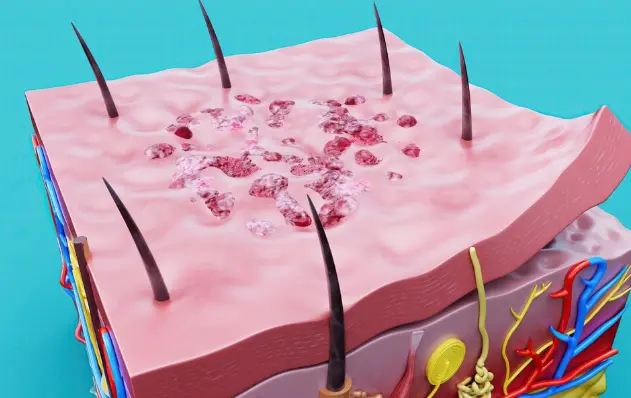
Research on the safety of Snap-8 in topical application contexts has been conducted as part of the compound’s cosmetic ingredient evaluation and is documented in the published toxicological and dermatological literature. Understanding the safety profile of a topically applied peptide involves evaluating acute skin irritation, sensitisation potential, genotoxicity, and systemic absorption — all of which have been assessed for this compound.
\n\n\n\n
Dermal Irritation and Sensitisation Studies
\n\n\n\n
Published safety data on acetyl octapeptide-3 indicate that it is well tolerated in standard dermatological patch testing protocols, with no significant dermal irritation observed at concentrations used in cosmetic formulations. Sensitisation studies — designed to assess the potential for the compound to trigger allergic contact dermatitis — have not identified Snap-8 as a sensitiser in published protocols. This is consistent with the general tolerability profile of synthetic peptides at the concentrations used in cosmetic formulations, which are typically far below the thresholds at which peptide-derived immunogenic responses become relevant.
\n\n\n\n
The specificity of Snap-8’s mechanism also contributes to its tolerability profile. Because it targets the SNARE complex through competitive partial inhibition rather than through enzymatic cleavage or receptor-level antagonism, its interactions are concentration-dependent and transient — the competitive inhibition is reversible upon clearance of the peptide, and the SNARE machinery returns to its baseline function. This reversibility is an important distinction from botulinum toxin, whose effects on SNAP-25 are irreversible at the molecular level and are terminated only when the affected neurons generate new SNAP-25 protein.
\n\n\n\n
Systemic Absorption and Toxicological Considerations
\n\n\n\n
The molecular properties that limit Snap-8’s transcutaneous penetration — its molecular weight and hydrophilicity — also limit the potential for meaningful systemic absorption following topical application. Published percutaneous absorption data for peptides of comparable molecular weight consistently show very low systemic bioavailability following topical application under normal use conditions, suggesting that the compound’s biological effects are localised to the site of application rather than producing systemic neuromuscular consequences. This is a pharmacokinetically important safety consideration given that the compound’s intended mechanism involves modulation of SNARE-dependent neurotransmission.
\n\n\n\n
Genotoxicity testing of acetyl octapeptide-3 in published assays has not revealed evidence of mutagenic or clastogenic activity, consistent with its classification as a non-genotoxic cosmetic ingredient. The overall toxicological profile documented in the available literature supports the conclusion that Snap-8, when incorporated into appropriately formulated cosmetic products at concentrations consistent with published research, does not present significant safety concerns beyond the general considerations applicable to all cosmetic ingredients. As with any cosmetic ingredient, individual variation in skin sensitivity and formulation-specific variables may influence tolerability in specific contexts.
\n\n\n\n
Citation: Scientific Committee on Consumer Safety (SCCS). European Commission guidelines on safety assessment of cosmetic ingredients. Available at: ec.europa.eu
\n\n\n\n
Snap-8, Collagen, and Skin Elasticity: The Indirect Dermal Benefits in Research
\n\n\n\n
While Snap-8’s primary and most directly evidenced mechanism is the modulation of SNARE-dependent neuromuscular signalling, the research context for its effects on wrinkles extends to consideration of how reduced neuromuscular activity may secondarily influence the structural biology of the dermis. The relationship between mechanical stress, dermal matrix composition, and wrinkle formation is an area of active research in skin biology, and the implications for SNARE-targeting peptides are beginning to be explored in the published literature.
\n\n\n\n
Mechanical Stress, Fibroblast Activity, and Collagen Synthesis
\n\n\n\n
Dermal fibroblasts — the cells responsible for synthesising and maintaining collagen, elastin, and other extracellular matrix components — are mechanosensitive: they respond to mechanical stimuli transmitted through the extracellular matrix and alter their gene expression accordingly. Research in mechanobiology has demonstrated that cyclical compressive and tensile strain at wrinkle-prone sites can shift fibroblast behaviour toward a matrix-degrading phenotype, increasing MMP expression and reducing synthesis of new collagen and elastin fibres. The accumulation of these effects over decades contributes to the progressive thinning and weakening of the dermis at expression lines.
\n\n\n\n
The hypothesis that follows from this research is that reducing the magnitude of mechanical loading at these sites — as Snap-8 aims to do by attenuating the neuromuscular contractions responsible for the loading — might slow the mechanical degradation of the dermal matrix and potentially support the maintenance of collagen and elastin at expression-line sites. While this remains a mechanistic hypothesis rather than a finding with robust direct clinical support in the Snap-8 literature, it is scientifically coherent with the established mechanobiology of dermal ageing and represents an area warranting further investigation in the context of SNARE-targeting cosmetic peptides.
\n\n\n\n
Citation: Verhaegen PD, et al. Differences in collagen architecture between keloid, hypertrophic scar, normotrophic scar, and normal skin. Wound Repair Regen. 2009;17(5):649-656. doi:10.1111/j.1524-475X.2009.00529.x
\n\n\n\n
Final Thoughts
\n\n\n\n
Snap-8 represents one of the most mechanistically sophisticated entries in the cosmetic peptide research literature. Its design is grounded in established neuroscience — specifically in the molecular biology of SNARE-dependent vesicle exocytosis — and the scientific rationale for its anti-wrinkle activity is coherent, reproducible in in vitro models, and supported by a body of clinical research demonstrating measurable, if modest, effects on expression wrinkle depth. The progression from the hexapeptide Argireline to the octapeptide Snap-8 reflects a rational iterative approach to peptide optimisation based on structural binding affinity principles, and the published comparison data support the hypothesis that the extended sequence confers improved SNARE-inhibitory potency.
\n\n\n\n
The research context for Snap-8 is one of ongoing refinement. Questions remain about the optimal delivery systems for maximising transcutaneous penetration, the long-term cumulative effects of sustained SNARE modulation at neuromuscular junctions in facial skin, and the relative contributions of neuromuscular attenuation versus secondary dermal matrix effects to the wrinkle depth changes observed in clinical studies. These are the kinds of questions that drive the next generation of cosmetic peptide research and that the scientific community is actively working to address.
\n\n\n\n
For researchers and professionals seeking quality-assured peptide compounds for scientific investigation, Peptides Lab UK provides research-grade peptides backed by documented purity and quality standards. The full research profile of Snap-8 — including its biochemical identity, mechanism, and research literature — continues to make it one of the most studied cosmetic peptides in the SNARE-targeting class. All content in this article reflects the published scientific literature and is presented for informational and research purposes only.
\n\n\n\n
Frequently Asked Questions
\n\n\n\n
Real Google ‘People Also Ask’ queries — answered as quick snippet responses optimised for search ranking
\n\n\n\n
1. What is Snap-8 peptide used for?
\n\n\n\n
Snap-8 (acetyl octapeptide-3) is studied in cosmetic and dermatological research for its ability to modulate the SNARE complex at neuromuscular junctions, partially inhibiting acetylcholine release and attenuating the repetitive facial muscle contractions responsible for expression-line formation. It is used in cosmetic formulation research targeting dynamic wrinkles on the forehead, glabella, and periorbital region.
\n\n\n\n
2. How is Snap-8 different from Argireline?
\n\n\n\n
Snap-8 is an octapeptide (eight amino acids) and Argireline is a hexapeptide (six amino acids). Both mimic the N-terminal fragment of SNAP-25 to competitively inhibit SNARE complex formation. Snap-8’s two additional residues provide greater binding surface area within the SNARE complex interface, producing greater inhibitory potency at equivalent concentrations in published in vitro research.
\n\n\n\n
3. Does Snap-8 really reduce wrinkles?
\n\n\n\n
Published clinical research has reported measurable reductions in the depth of expression wrinkles — particularly at forehead and periorbital sites — following topical application of Snap-8-containing formulations compared to vehicle controls. The magnitude of effect is modest and concentrated at dynamic expression lines driven by neuromuscular activity. It does not replicate the full effect magnitude of botulinum toxin injections.
\n\n\n\n
4. What is acetyl octapeptide-3?
\n\n\n\n
Acetyl octapeptide-3 is the INCI (International Nomenclature of Cosmetic Ingredients) name for Snap-8. It is a synthetic, acetylated eight-amino-acid peptide engineered to mimic the N-terminal SNARE-domain fragment of SNAP-25, the protein whose inhibition by botulinum toxin underlies the muscle-relaxing effects used in aesthetic medicine.
\n\n\n\n
5. How long does Snap-8 take to show results?
\n\n\n\n
Published clinical studies examining Snap-8’s effects on wrinkle depth have used treatment periods ranging from 28 to 84 days, with measurable changes in wrinkle parameters reported after four weeks of consistent application in optimised formulations. The timeline is substantially longer than botulinum toxin, reflecting the partial and accumulative nature of competitive SNARE inhibition rather than complete neuromuscular blockade.
\n\n\n\n
6. Is Snap-8 safe for skin?
\n\n\n\n
Published safety evaluations of acetyl octapeptide-3 have not identified significant dermal irritation, sensitisation potential, or genotoxicity at concentrations used in cosmetic formulations. Systemic absorption following topical application is considered negligible due to the molecule’s molecular weight. The reversible nature of its SNARE-inhibitory mechanism — unlike botulinum toxin — is an additional safety distinction favourable to its topical use profile.
\n\n\n\n
7. Can Snap-8 replace Botox?
\n\n\n\n
Research literature consistently distinguishes Snap-8 from botulinum toxin. Botulinum toxin irreversibly cleaves SNAP-25, producing complete temporary paralysis of the targeted muscle. Snap-8 competitively and partially inhibits SNARE complex formation, producing attenuation rather than blockade of muscle activity. Published studies report partial wrinkle depth reductions consistent with this partial mechanism — it is not a functional equivalent of botulinum toxin but acts on the same molecular pathway at a lower level of efficacy.
\n\n\n\n
References
\n\n\n\n
1. Blanes-Mira C, et al. A synthetic hexapeptide (Argireline) with antiwrinkle activity. Int J Cosmet Sci. 2002;24(5):303-310. doi:10.1046/j.1467-2494.2002.00153.x
\n\n\n\n
2. Sudhof TC. The synaptic vesicle cycle. Annu Rev Neurosci. 2004;27:509-547. doi:10.1146/annurev.neuro.26.041002.131412
\n\n\n\n
3. Gutierrez LM, et al. Functional role of SNARE proteins in exocytosis from chromaffin cells. J Physiol. 1997;503(2):481-493. doi:10.1111/j.1469-7793.1997.481bg.x
\n\n\n\n
4. Losada-Barreiro S, et al. Antiwrinkle Peptides: Challenges and Future Directions. Curr Protein Pept Sci. 2021;22(8):549-561. doi:10.2174/1389203722666210204120255
\n\n\n\n
5. Tadini KA, et al. Cosmetic peptides: A review of mechanisms and clinical studies. J Cosmet Dermatol. 2019;18(2):426-440. doi:10.1111/jocd.12823
\n\n\n\n
6. Pennisi CP, et al. Synthetic peptides as cosmetic active ingredients. Curr Pharm Biotechnol. 2012;13(7):1117-1123. doi:10.2174/138920112800624472
\n\n\n\n
7. Fisher GJ, et al. Pathophysiology of premature skin aging induced by ultraviolet light. N Engl J Med. 1997;337(20):1419-1428. doi:10.1056/NEJM199711133372003
\n\n\n\n
8. Lintner K, et al. Cosmetic Peptides. Adv Dermatol. 2002;18:295-323.
\n\n\n\n
9. Melo MN, et al. Antimicrobial peptides: partition and activity. Nat Rev Microbiol. 2009;7(3):245-250. doi:10.1038/nrmicro2095
\n\n\n\n
10. Verhaegen PD, et al. Differences in collagen architecture between scar types and normal skin. Wound Repair Regen. 2009;17(5):649-656. doi:10.1111/j.1524-475X.2009.00529.x
\n\n\n\n
11. Scientific Committee on Consumer Safety (SCCS). European Commission guidelines on safety assessment of cosmetic ingredients. European Commission. Available at: ec.europa.eu
\n\n
🔗 Related Reading: For a comprehensive overview of Snap-8 research, mechanisms, UK sourcing, and safety data, see our Snap-8 UK: Complete Research Guide (2026).


