

Quick Answer Box: In scientific research and preclinical studies, TB-500 has been administered via subcutaneous, intraperitoneal, and topical routes depending on the model and tissue target being investigated. Clinical investigations have also explored topical ocular delivery in human trials.
The question of how TB-500 is administered is one that sits at the intersection of peptide pharmacology, research methodology, and clinical translation science. It is a question with different answers depending on whether one is asking about preclinical animal studies, early-phase human clinical investigations, or topical research applications — each of which has employed different delivery approaches suited to the biological questions being asked and the tissue systems being targeted. To understand how TB-500 administration has been studied across these different contexts, it is necessary first to understand the pharmacological properties of the peptide itself and what those properties imply about how the compound can and cannot be effectively delivered to biological tissues of interest.
TB-500 is a synthetic peptide — a short chain of amino acids — and like most peptides of its class, its pharmacological behaviour is shaped by the physicochemical properties of its amino acid sequence, its molecular size, its charge, and its stability under various physiological conditions. Peptides in general face a set of well-characterised challenges when it comes to delivery: they are susceptible to degradation by proteolytic enzymes found in the gastrointestinal tract, making oral delivery typically inefficient for many peptide compounds; they have limited capacity to cross certain biological barriers depending on their size and charge; and their half-lives in biological systems can be short without the stabilising modifications that pharmaceutical development sometimes introduces. Understanding these general peptide delivery challenges provides essential context for interpreting why particular administration routes have been selected in TB-500 research protocols, and why others have not been the primary focus of investigation.
It is critical to emphasise that this discussion concerns administration methods as they have been used in the scientific literature — in laboratory animal models, in vitro cell-based systems, and clinical investigational programmes conducted under appropriate regulatory oversight. TB-500 is an investigational research compound, not an approved therapeutic agent in any major regulatory jurisdiction, and the discussion of how it has been administered in research contexts should not be interpreted as guidance for any non-research application. All research involving this compound in biological systems should be conducted within appropriate institutional and regulatory frameworks.
The Importance of Administration Route in Peptide Research
In pharmacological research, the route of administration is not merely a logistical detail but a scientifically significant variable that can materially affect the bioavailability, tissue distribution, peak concentration, half-life, and ultimately the biological effects observed in a study. For TB-500 research specifically, the choice of administration route in any given study reflects a set of deliberate decisions by the research team about how to deliver the compound to the tissue of interest with sufficient concentration and duration to produce measurable effects while maintaining experimental control and minimising confounding variables. Reviewing what the scientific literature reveals about these decisions across different TB-500 research contexts provides a window into the pharmacology of this compound and into the broader science of therapeutic peptide delivery.
Subcutaneous Administration of TB-500 in Preclinical Research
Among the routes of administration used in preclinical TB-500 research, subcutaneous delivery — in which the compound is introduced beneath the skin into the subcutaneous tissue layer — has been among the most commonly employed approaches in animal model studies. Subcutaneous administration is widely used in peptide research across many compounds and model systems because it allows for relatively controlled delivery into a well-vascularised tissue space, from which the compound can be absorbed into the systemic circulation while potentially also acting on local subcutaneous tissue.
Why Subcutaneous Delivery Is Suited to Peptide Research Protocols
The subcutaneous tissue layer is characterised by a relatively rich blood supply, a collagenous extracellular matrix, and the presence of both adipocytes and stromal cells — a tissue environment that supports the absorption of peptide compounds delivered into it. Compared to intramuscular or intravenous delivery, subcutaneous administration generally produces a slower, more sustained absorption profile, which can be advantageous in research protocols where maintaining compound availability over a defined period is important for producing the biological effects under study. For TB-500 specifically, which has been investigated for its potential roles in promoting sustained processes such as tissue repair, angiogenesis, and cell migration rather than producing immediate acute effects, the absorption kinetics associated with subcutaneous delivery align well with the biological timescales of the processes being studied.
Research studies examining TB-500 and Thymosin Beta-4 effects in wound healing models, cardiac repair models, and musculoskeletal injury models have frequently employed subcutaneous delivery as a practical and pharmacologically appropriate route for ensuring systemic availability of the research compound. The documentation of administration routes in published research papers is an important component of experimental methodology reporting, as it allows other researchers to replicate findings and compare results across studies conducted in different laboratories.
Systemic Distribution Following Subcutaneous Delivery
An important pharmacological question in any TB-500 research protocol employing subcutaneous delivery concerns the degree to which the compound achieves systemic distribution — reaching tissues beyond the local injection site through the bloodstream — and the extent to which systemically distributed compound reaches the specific target tissues being studied in sufficient concentrations to produce the biological effects of interest. For a short peptide like TB-500, whose molecular weight is relatively low and whose sequence is derived from a naturally occurring protein that is normally present throughout the body, systemic distribution following subcutaneous delivery is biologically plausible, though the specific pharmacokinetic parameters governing this distribution have not been fully characterised in the published literature for TB-500 itself.
Research on the pharmacokinetics of Thymosin Beta-4 and related peptides has provided some relevant data points. Studies examining the detection of Thymosin Beta-4 in plasma following systemic administration have documented that the protein can be detected in circulation, though its half-life is relatively short — a characteristic common to many unmodified peptides that lack protective modifications against proteolytic degradation. The study by Ho et al. published in Drug Testing and Analysis in 2011, which examined Thymosin Beta-4 in equine plasma following administration, provided important information about the detectability and temporal profile of the compound in biological fluids following delivery — data relevant not only to anti-doping science but also to understanding the basic pharmacokinetics of peptide administration in larger mammals.
Intraperitoneal Administration in Animal Model Studies
Alongside subcutaneous delivery, intraperitoneal administration — in which the compound is delivered into the peritoneal cavity of the research animal — has been used in certain TB-500 and Thymosin Beta-4 animal model studies, particularly those involving rodent models where this route is well established as a practical and pharmacologically characterised delivery method.
The Role of Intraperitoneal Delivery in Rodent Research Models
Intraperitoneal delivery is among the most commonly used administration routes in rodent pharmacological research because it offers relatively rapid systemic absorption through the extensive vasculature of the peritoneum, while being practically straightforward to execute in mouse and rat models. The peritoneal cavity is in close proximity to major abdominal organs and is drained by both the portal venous system and the systemic lymphatics, providing multiple pathways for absorbed compounds to enter the circulation and reach systemic tissues.
In the context of TB-500 and Thymosin Beta-4 research, intraperitoneal delivery has been employed in studies examining the compound’s effects on systemic processes including immune modulation, cardiac repair, and research applications following ischaemic injury. The cardiac regeneration research conducted by Smart et al. and published in Nature in 2011, which examined how Thymosin Beta-4 could reactivate cardiac progenitor cells in adult mice following myocardial infarction, employed systemic delivery approaches to achieve compound distribution to cardiac tissue — illustrating how the choice of administration route in such studies is intimately connected to the biological question being asked and the tissue target being studied.
Comparing Subcutaneous and Intraperitoneal Routes in Research Design
The selection between subcutaneous and intraperitoneal administration in TB-500 preclinical research is not arbitrary but reflects the specific requirements of the study design — including the pharmacokinetic profile desired, the species being used, the tissue targets of interest, and the practical constraints of the experimental setting. Research teams designing preclinical studies with TB-500 or Thymosin Beta-4 must consider these factors and select the administration route that best allows them to answer their specific scientific questions with appropriate precision and consistency. The diversity of administration routes used across published TB-500 research studies — while sometimes making direct cross-study comparisons more complex — also provides valuable information about how the compound behaves and produces effects through different pharmacological pathways.
Topical Administration: TB-500 Eye Drop Research and Ocular Delivery
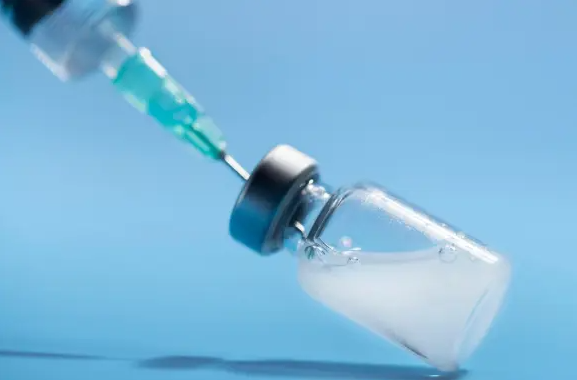
One of the most scientifically distinctive and clinically advanced areas of TB-500 and Thymosin Beta-4 administration research involves topical delivery — specifically the application of Thymosin Beta-4 in eye drop formulations for the treatment of ocular surface conditions. This research programme represents the most developed human clinical investigation of any Thymosin Beta-4 related administration approach, and it illustrates how the pharmacological properties of the compound can be matched to specific tissue targets through careful formulation science.
The Science of Topical Ocular Delivery for Thymosin Beta-4
The cornea and ocular surface present a unique environment for topical drug delivery. The corneal epithelium — the outermost cellular layer of the eye — is exposed directly to topically applied solutions and has direct access to the signalling molecules they contain, without the barriers that limit the penetration of systemically administered compounds into many tissues. For a peptide compound like Thymosin Beta-4 / TB-500, which acts on cellular processes including epithelial cell migration, this accessibility of the target tissue through topical delivery represents a significant pharmacological advantage.
Research by Sosne and colleagues, published in multiple studies in journals including Experimental Eye Research and Cornea, has documented the effects of Thymosin Beta-4 applied topically to the ocular surface in both animal models and human subjects. These studies demonstrated that topically applied Thymosin Beta-4 could promote corneal epithelial healing, modulate inflammatory responses at the ocular surface, and improve outcomes in models of dry eye disease and corneal injury. The topical ocular delivery approach used in this research required the formulation of Thymosin Beta-4 in a physiologically compatible vehicle — one that maintained the peptide’s stability, allowed appropriate contact time with the corneal surface, and did not cause irritation or harm to the delicate ocular tissues.
The Phase II Clinical Trial: Topical TB-500 Administration in Human Subjects
The most clinically significant TB-500 administration research has been the phase II clinical trial conducted by RegeneRx Biopharmaceuticals examining Thymosin Beta-4 eye drops in patients with dry eye disease and moderate neurotrophic keratopathy — a condition characterised by impaired corneal healing due to loss of sensory nerve function. Results published in the journal Cornea reported that patients receiving Thymosin Beta-4 eye drops showed significant improvements in corneal staining scores and symptom assessments compared to placebo — providing the first human clinical evidence that topical Thymosin Beta-4 / TB-500 administration could produce measurable therapeutic effects in an ocular surface condition.
This clinical trial is important not only for what it reveals about Thymosin Beta-4’s potential in ophthalmology but also for what it demonstrates about the feasibility of topical peptide administration as a delivery strategy. The success of the topical ocular approach in this trial reflects a broader principle in peptide research and development: that matching the delivery route to the target tissue — in this case, delivering a cell migration-promoting peptide directly to the tissue surface where cell migration is most needed — can enable effective biological activity even for a compound that might face significant challenges via systemic routes.
Systemic vs Local Delivery: Research Considerations for TB-500
A central scientific question in TB-500 administration research is whether systemic delivery — in which the compound is distributed throughout the body via the bloodstream — or local delivery — in which it is applied or delivered directly to the target tissue — produces more effective or more targeted biological outcomes. This question is not unique to TB-500 but reflects a fundamental dilemma in the delivery of any bioactive compound whose effects are desired at specific tissue sites.
Arguments for Systemic Delivery in TB-500 Research
Systemic delivery approaches — including subcutaneous and intraperitoneal routes used in preclinical studies — are supported by the fact that Thymosin Beta-4 and TB-500 appear to exert effects across multiple tissue types and biological processes simultaneously. Research examining the compound’s effects on wound healing, cardiac repair, neural regeneration, and angiogenesis suggests that its biological activities are not limited to a single tissue type but reflect the fundamental importance of the actin-regulatory pathway it modulates in essentially all cell types. For research investigating these broad, multi-tissue effects, systemic delivery approaches that distribute the compound throughout the body provide a more appropriate pharmacological model than highly localised delivery would.
Additionally, some of the most important biological processes that TB-500 has been studied for — including angiogenesis and systemic immune modulation — are by nature distributed processes that occur across the vasculature and immune system rather than being confined to a single anatomical location. Systemic delivery approaches align better with investigating these distributed biological effects than localised delivery strategies would.
Arguments for Local Delivery in Specific Research Contexts
Conversely, for research applications where the target tissue is anatomically accessible and well-defined — as is the case with the corneal surface in ocular research, or potentially with specific wound sites in cutaneous healing research — local delivery approaches offer the advantage of concentrating the compound at the site of action while minimising systemic exposure. This concentration advantage can allow researchers to investigate tissue-specific effects at concentrations that produce meaningful local biological activity, and it also reduces the potential for off-target effects elsewhere in the body — an important consideration in any research context but particularly relevant when investigating compounds whose systemic effects are not fully characterised.
The topical ocular research programme for Thymosin Beta-4 exemplifies the scientific rationale for local delivery: by delivering the compound directly to the corneal surface where epithelial cell migration is needed for healing, researchers were able to achieve measurable therapeutic effects in a tissue that is directly accessible — without the pharmacokinetic challenges of systemic delivery to a target that could alternatively be reached through the bloodstream only with difficulty.
TB-500 Stability and Formulation Considerations in Research Administration
The practical administration of TB-500 in research settings depends not only on the choice of delivery route but on the formulation of the compound — how it is prepared, what vehicle or carrier it is suspended in, and how its stability is maintained during preparation and storage. These formulation considerations are scientifically important because the physical and chemical form in which a peptide is administered can materially affect its biological activity.
Reconstitution of Lyophilised TB-500 for Research Use
TB-500 is typically supplied in its lyophilised — freeze-dried — form, which represents the standard approach to long-term storage of peptide research compounds. Lyophilisation removes water from the peptide preparation under vacuum at low temperatures, producing a stable powder that maintains the peptide’s molecular integrity over extended storage periods at appropriate temperatures. Before administration in any biological research setting, lyophilised TB-500 must be reconstituted — dissolved in a suitable aqueous solution — to produce a liquid preparation of defined concentration that can be administered using the appropriate delivery method for the experimental protocol.
The choice of reconstitution vehicle is a formulation decision that affects the resulting preparation’s pH, osmolarity, stability, and compatibility with the delivery route being used. For systemic research applications, bacteriostatic water or sterile physiological saline are commonly employed reconstitution vehicles in peptide research protocols. For ophthalmic applications, specialised ophthalmic formulation vehicles that are isotonic, appropriately buffered, and compatible with ocular surface biology must be used — as illustrated by the development work that supported the clinical eye drop trials of Thymosin Beta-4.
Peptide Stability and Degradation Considerations
The stability of TB-500 following reconstitution — how long it retains its molecular integrity and biological activity under various storage conditions — is a practically important consideration in research protocol design. Like other peptides, TB-500 is susceptible to degradation through several mechanisms including hydrolysis, oxidation, and proteolytic cleavage. Research-grade TB-500 is typically stored as a lyophilised powder at temperatures below -20°C to maximise stability, with reconstituted solutions generally recommended for storage at 4°C and used within defined time periods to minimise degradation.
The issue of peptide stability extends beyond storage to the conditions encountered following administration in biological systems. Once introduced into a biological environment — whether subcutaneous tissue, the peritoneal cavity, or the ocular surface — TB-500 encounters proteolytic enzymes and other degradative processes that progressively reduce its concentration over time. The rate of this degradation determines the effective half-life of the compound at the site of action and in the systemic circulation, and it has important implications for the frequency and design of administration protocols in research studies. Published research on Thymosin Beta-4 pharmacokinetics has provided some data on systemic half-life, though comprehensive pharmacokinetic characterisation of TB-500 specifically across different delivery routes remains an area where additional research would be valuable.
TB-500 Administration in Equine and Veterinary Research Contexts
A significant body of research on TB-500 administration has emerged from equine science, where the compound was investigated — and subsequently detected through anti-doping surveillance — in the context of racehorse management and research applications. This equine research context has contributed meaningfully to the scientific understanding of how TB-500 behaves following administration in larger mammalian species, and it has also driven the development of analytical detection methods that are relevant to both veterinary anti-doping and broader pharmacological characterisation.
Equine Anti-Doping Research and TB-500 Detection Methods
The study by Ho et al. published in Drug Testing and Analysis in 2011 examined the detection of Thymosin Beta-4 in equine plasma and urine following administration, establishing sensitive analytical methods capable of identifying the compound in biological fluids from horses. This research was prompted by evidence of TB-500 administration in racehorses — a practice that attracted regulatory attention because of the compound’s potential to enhance research applications from musculoskeletal injuries and its presence on the World Anti-Doping Agency’s Prohibited List for human sport. The detection work required the development of specialised immunoassay and mass spectrometry methods capable of distinguishing administered Thymosin Beta-4 from the endogenous protein that is naturally present in equine blood — a technically demanding analytical challenge given the peptide’s natural biological abundance.
The equine research findings on TB-500 detection and pharmacokinetics — including data on the time course over which the compound remains detectable following administration — have contributed to the scientific knowledge base on how TB-500 behaves in larger mammalian biological systems, providing data that is relevant to the broader understanding of the compound’s pharmacokinetics and detection even outside the equine anti-doping context specifically.
Veterinary Research on TB-500 Administration Routes
Beyond anti-doping science, TB-500 has been studied in veterinary research contexts examining its potential for supporting tissue repair in injured animals. This research, which has included investigations in equine, canine, and other veterinary species, has employed administration approaches similar to those used in small animal preclinical models — including subcutaneous delivery and, in some investigations, direct local delivery to injury sites. The findings from veterinary administration research contribute to the evidence base on how TB-500 behaves across different species and delivery contexts, enriching the cumulative understanding of the compound’s pharmacological profile in ways that inform both veterinary and human research directions.
The Future of TB-500 Administration Research: Emerging Delivery Approaches
As research into TB-500 and Thymosin Beta-4 continues to evolve, there is growing scientific interest in whether novel delivery technologies — including nanoparticle-based carriers, hydrogel matrices, and other advanced formulation approaches — could enhance the administration and tissue-targeting of these compounds in ways that address the pharmacokinetic limitations of current delivery routes.
Nanoparticle and Hydrogel Delivery Systems for Thymosin Beta-4
Research published in journals including the International Journal of Pharmaceutics and Biomaterials has explored whether encapsulating Thymosin Beta-4 and related peptides within nanoparticle or hydrogel delivery systems could extend their half-life in biological environments, protect them from proteolytic degradation, and enable more sustained or targeted release at specific tissue sites. These advanced delivery approaches — while still primarily in preclinical development stages for Thymosin Beta-4 / TB-500 applications — represent an important frontier in the broader field of therapeutic peptide delivery and have the potential to substantially alter the pharmacological profile of these compounds if translated into clinical research settings.
Hydrogel-based delivery systems are of particular interest for wound healing and musculoskeletal repair applications, where the ability to incorporate a bioactive peptide into a three-dimensional scaffold that maintains contact with the target tissue over an extended period could provide delivery advantages that neither subcutaneous injection nor topical liquid application can achieve. The development of such delivery platforms for TB-500 is an area where peptide chemistry, materials science, and regenerative medicine research intersect — reflecting the increasingly multidisciplinary nature of advanced therapeutic peptide research.
Final Thoughts
The scientific investigation of how TB-500 is administered across different research contexts reveals a compound whose delivery methods have been as diverse as its proposed biological applications. From subcutaneous and intraperitoneal routes in small animal preclinical models, to topical ocular formulations in human clinical trials, to systemic delivery approaches in cardiac and neurological repair research, the administration of TB-500 and its parent molecule Thymosin Beta-4 has been shaped by the specific biological questions being asked, the tissue systems being targeted, and the pharmacological properties of the peptide itself.
What emerges from reviewing this body of research is an appreciation that the question of how TB-500 is administered is not a single-answer question but a nuanced one whose answer depends on the research context, the target tissue, and the biological outcomes being investigated. The most clinically advanced administration work — the topical ocular delivery research that has progressed through phase II human clinical trials — illustrates how matching delivery route to target tissue accessibility can enable effective biological investigation of a peptide compound that might face greater challenges via systemic routes. The ongoing development of advanced delivery technologies, including nanoparticle and hydrogel platforms, suggests that the administration science of TB-500 will continue to evolve as the broader field of therapeutic peptide research matures.
For researchers, institutions, and specialist suppliers engaged with TB-500 as an investigational compound — including those operating through specialist research peptide providers such as Peptides Lab UK — the administration science reviewed here underscores why understanding the pharmacological basis of delivery route selection is as important as understanding the compound’s biological activities themselves. How a research compound is administered is inseparable from what it can achieve in a given research context, and rigorous attention to administration methodology is a prerequisite for generating reliable, reproducible, and scientifically meaningful findings about TB-500’s potential across its many areas of active investigation.
Frequently Asked Questions
How is TB-500 administered in research studies?
In preclinical research, TB-500 and Thymosin Beta-4 have been administered subcutaneously, intraperitoneally, and via topical application depending on the study design and tissue target. Human clinical investigations have employed topical ocular delivery in eye drop formulations for corneal healing research.
Can TB-500 be taken orally?
Oral delivery is generally not used in TB-500 research. Like most peptides, TB-500 is susceptible to degradation by digestive enzymes in the gastrointestinal tract, which substantially limits the bioavailability of orally administered peptide compounds before they can reach systemic circulation or target tissues.
What is the most common administration route for TB-500 in animal studies?
Subcutaneous administration is among the most commonly reported routes in small animal preclinical TB-500 and Thymosin Beta-4 research. Intraperitoneal delivery is also widely used in rodent studies. The choice depends on the experimental model, target tissue, and desired pharmacokinetic profile.
Has TB-500 been administered to humans in clinical trials?
Yes. RegeneRx Biopharmaceuticals conducted a phase II clinical trial administering Thymosin Beta-4 in topical eye drop form to patients with dry eye disease and neurotrophic keratopathy. Results published in Cornea reported significant improvements in corneal healing outcomes compared to placebo.
Why is TB-500 supplied in lyophilised powder form?
Lyophilisation — freeze-drying — is the standard storage format for research peptides because it removes water and stabilises the peptide against degradation over extended periods. TB-500 in lyophilised form maintains molecular integrity at appropriate storage temperatures and is reconstituted in a suitable vehicle before use in research protocols.
How does the route of administration affect TB-500 research outcomes?
Administration route significantly influences bioavailability, tissue distribution, absorption speed, and effective half-life — all of which can affect observed biological outcomes in research studies. Local delivery concentrates the compound at the target tissue, while systemic routes distribute it broadly. Researchers select routes based on the specific biological question being investigated.
Is TB-500 administration studied in veterinary or equine research?
Yes. TB-500 has been studied in equine research contexts, particularly in anti-doping science following evidence of its use in racehorses. Research by Ho et al. (2011) developed analytical methods for detecting Thymosin Beta-4 in equine plasma and urine, contributing pharmacokinetic data relevant to TB-500 administration science across larger mammalian species.
References
- Ho, E. N. M., et al. (2011). Detection of TB-500 (thymosin beta-4) in equine plasma and urine following administration. Drug Testing and Analysis, 3(9), 637–645. https://doi.org/10.1002/dta.342
- Sosne, G., et al. (2007). Thymosin beta-4 promotes corneal wound healing and modulates inflammatory mediators in vivo. Experimental Eye Research, 84(2), 255–261. https://doi.org/10.1016/j.exer.2006.10.010
- Sosne, G., et al. (2010). Thymosin beta-4 significantly reduces the corneal inflammation associated with dry eye. Cornea, 29(1), 105–109.
- Smart, N., et al. (2011). De novo cardiomyocytes from within the activated adult heart after injury. Nature, 474(7353), 640–644. https://doi.org/10.1038/nature10188
- Goldstein, A. L., & Kleinman, H. K. (2015). Advances in the basic and clinical applications of thymosin beta-4. Expert Opinion on Biological Therapy, 15(Suppl 1), S139–S145. https://doi.org/10.1517/14712598.2015.1033393
- Malinda, K. M., et al. (1999). Thymosin beta-4 accelerates wound healing. Journal of Investigative Dermatology, 113(3), 364–368. https://doi.org/10.1046/j.1523-1747.1999.00708.x
- Bock-Marquette, I., et al. (2004). Thymosin beta-4 activates integrin-linked kinase and promotes cardiac cell migration, survival and cardiac repair. Nature, 432(7016), 466–472. https://doi.org/10.1038/nature03081
- Huff, T., et al. (2001). Beta-thymosins, small acidic peptides with multiple functions. International Journal of Biochemistry & Cell Biology, 33(3), 205–220.
- Hannappel, E., & Leibold, W. (1985). Biosynthesis rates and content of thymosin beta 4 in cell lines. Archives of Biochemistry and Biophysics, 240(1), 236–241.
- World Anti-Doping Agency. (2024). Prohibited List — Peptide Hormones, Growth Factors, Related Substances and Mimetics. https://www.wada-ama.org/en/prohibited-list
🔗 Related Reading: For a comprehensive overview of TB-500 research, mechanisms, UK sourcing, and safety data, see our TB-500 UK: Complete Research Guide (2026).


