

Quick Answer Box: TB-500 originates from Thymosin Beta-4, a protein found naturally throughout the human body — particularly in platelets, immune cells, and wound sites. The synthetic research version is laboratory-manufactured using solid-phase peptide synthesis to replicate its core actin-binding sequence.
Before TB-500 existed as a laboratory compound or research peptide, it existed — in the form of its parent protein — inside the human body. Understanding where TB-500 comes from requires starting with biology rather than biochemistry, because the story of this synthetic peptide is inseparable from the story of Thymosin Beta-4, the naturally occurring protein from which it is derived and whose core amino acid sequence it replicates.
TB-500 is a synthetic peptide designed to correspond to a specific region of Thymosin Beta-4, a 43-amino acid protein that is produced endogenously — meaning generated from within — by virtually all nucleated cells in the human body. The fact that Thymosin Beta-4 is a natural, endogenous molecule is one of the features that has made it, and by extension TB-500, of particular scientific interest: researchers studying a compound that corresponds to a sequence already present in biological systems begin with the theoretical advantage that the molecule’s fundamental compatibility with living tissue is established by its very existence within that tissue. This does not confer clinical approval or guarantee therapeutic safety, but it does provide a meaningful biological rationale for investigating how this molecular sequence influences cellular behaviour in both healthy and injured tissue.
The natural abundance of Thymosin Beta-4 throughout the body — and the understanding that TB-500 encodes its most biologically active segment — has shaped the direction of research into both molecules. Scientists have traced where Thymosin Beta-4 concentrates, how its levels change in response to injury or disease, and what happens when it is present at higher or lower concentrations in different tissues. All of this natural biology forms the scientific backdrop against which TB-500 as a research compound is evaluated.
TB-500 Research Context: An Investigational Compound
It is important to establish clearly at the outset that while TB-500’s biological origins lie within the human body — in the form of the Thymosin Beta-4 sequence it replicates — TB-500 itself as encountered in research settings is a synthetically manufactured compound. It is not extracted from human tissue or biological fluids. It is not an approved pharmaceutical agent in any major regulatory jurisdiction. It is classified as an investigational research peptide, and all evidence for its biological effects comes from preclinical studies and a limited number of early-phase human investigations. This distinction between the natural biological origins of its parent molecule and the synthetic, research-stage nature of TB-500 itself is fundamental to accurate understanding of this compound.
Where Thymosin Beta-4 Is Found Naturally in the Human Body
To understand where TB-500’s molecular origins lie, it is necessary to examine where its parent molecule — Thymosin Beta-4 — is found within the biological systems of living organisms. The natural distribution of Thymosin Beta-4 across tissues, cell types, and physiological conditions has been mapped through decades of biochemical research, and this distribution reveals a great deal about the molecule’s biological roles and the logic of studying its synthetic analogue.
Thymosin Beta-4 Concentrations in Platelets and Blood Cells
Among all the cell types in the human body, platelets — the small, disc-shaped blood cells critical to clotting and wound response — contain some of the highest concentrations of Thymosin Beta-4. Research published in the early characterisation studies of the thymosin peptide family documented that platelets are a major storage site for Thymosin Beta-4, releasing the protein into the local environment when platelets are activated during injury and the wound healing process. This concentrated storage in platelets makes biological sense: platelets are among the first responders to tissue damage, rushing to injury sites to initiate clotting and releasing a cocktail of signalling molecules that help coordinate the early stages of repair. The presence of high concentrations of Thymosin Beta-4 in this early-response cell population is consistent with the molecule’s well-documented role in promoting cell migration and accelerating wound closure.
Research by Hannappel and colleagues conducted through the 1980s and 1990s was instrumental in characterising the distribution of Thymosin Beta-4 in blood cells and other tissues, establishing the quantitative picture of where the molecule concentrates and what this distribution implies about its functions. Studies published in the European Journal of Biochemistry documented that red blood cells, white blood cells of various lineages, and platelets all carry measurable concentrations of Thymosin Beta-4, though the levels vary significantly between cell types. This variation in distribution is informative: the cells that must respond most actively to tissue injury — platelets, neutrophils, macrophages — tend to contain the highest concentrations, consistent with a central role in coordinating the biological response to damage.
Thymosin Beta-4 in Wound Fluid and Injury Sites
Beyond its storage in circulating blood cells, Thymosin Beta-4 has been detected in elevated concentrations in wound fluid — the biological exudate that forms at injury sites and that contains the molecular signals directing the healing process. Studies examining the composition of wound fluid in animal models and human subjects have consistently found Thymosin Beta-4 among the signalling molecules present, with concentrations that change dynamically as the wound progresses through the phases of healing: haemostasis, inflammation, proliferation, and remodelling.
The detection of Thymosin Beta-4 in wound fluid at concentrations significantly above those found in normal serum suggests that the protein is actively mobilised and concentrated at sites of tissue damage — a biological deployment pattern consistent with a functional role in the healing cascade rather than merely a passive presence. This observation has been one of the driving motivations for research into whether supplementing or amplifying the Thymosin Beta-4 signal at injury sites — which is what studies using TB-500 are, in essence, attempting to investigate — could meaningfully accelerate or improve the quality of tissue repair.
Distribution Across Organs and Tissue Types
Beyond blood cells and wound sites, Thymosin Beta-4 has been identified in essentially all organs and tissue types studied. High concentrations have been documented in the brain, spinal cord, heart, liver, kidney, thymus, and reproductive tissues. The near-universal distribution of Thymosin Beta-4 across the body’s tissues reflects its fundamental role in basic cellular biology — specifically its function as a regulator of the actin cytoskeleton, a structure present in every nucleated cell and essential to cell shape, division, migration, and intracellular transport.
Research examining Thymosin Beta-4 expression in the central nervous system has found high concentrations in neurons and glial cells, consistent with the emerging evidence that the molecule plays roles in neuronal development, neuroprotection, and potentially in the response to neural injury. The presence of Thymosin Beta-4 in cardiac tissue — specifically in cardiac progenitor cells and developing cardiomyocytes — has been a focus of significant research attention in recent years, given the potential implications for cardiac repair following ischemic events. These tissue-specific findings have guided the direction of preclinical research into TB-500, with scientists investigating whether the synthetic peptide can recapitulate or amplify the effects of the endogenous protein in specific organ systems of interest.
The Thymus Gland: The Original Source of Thymosin Discovery
The name Thymosin Beta-4 — and by extension the TB in TB-500 — reflects the organ from which the thymosin protein family was originally isolated: the thymus gland. Understanding the role of the thymus in the discovery of Thymosin Beta-4 is essential for answering the question of where TB-500’s biological lineage originates, because it was the study of thymic extracts that first brought the Thymosin Beta family to scientific attention and set in motion the research programme that eventually led to the identification and synthesis of TB-500.
The Thymus Gland and Its Biological Role
The thymus is a specialised primary lymphoid organ located in the upper chest, behind the sternum, that plays a central role in the development and maturation of T lymphocytes — the immune cells responsible for adaptive immune responses. The thymus is most active during childhood and adolescence, when T cell production is at its peak, and progressively involutes (shrinks) with age, though it retains some functional activity throughout adult life. Its role in immune system development has been studied intensively since the mid-twentieth century, when experiments demonstrated that removal of the thymus in neonatal animals produced profound immunodeficiency — establishing for the first time that the thymus was essential rather than vestigial.
The investigation of thymic biology that followed this discovery — driven initially by the work of Allan Goldstein and Abraham White at the Albert Einstein College of Medicine during the 1960s — led to the identification of biologically active substances within thymic extracts that could restore immune function in thymectomised animals. This work, which produced the original thymosin fraction and eventually led to the characterisation of the Thymosin Beta family, represents the direct scientific ancestor of TB-500 as a research compound. The path from thymic extract to purified Thymosin Beta-4 to synthetic TB-500 is the path by which the thymus gland’s biological heritage was translated into a laboratory research tool.
From Thymic Extract to Purified Thymosin Beta-4
The process by which researchers moved from crude thymic extract to the purified, sequenced Thymosin Beta-4 protein was a multi-decade undertaking that reflected the technical limitations and progressive capabilities of biochemistry across the latter half of the twentieth century. Early preparations of thymic extract — designated Thymosin Fraction 5 in the original Goldstein laboratory nomenclature — contained a complex mixture of proteins and peptides with varying biological activities. Separating and characterising the individual components required increasingly sophisticated techniques in protein purification, gel electrophoresis, and amino acid sequencing.
By the late 1970s and early 1980s, researchers had succeeded in isolating individual components of the thymosin fraction and determining their amino acid sequences. Thymosin Beta-4 was identified during this period as one of the most abundant components of the beta fraction — the group of thymosin peptides with isoelectric points in the acidic range. Its sequence was determined by Hannappel and colleagues and subsequently confirmed through complementary DNA cloning, which also established the gene responsible for its production and illuminated its evolutionary conservation across species. This sequential process of isolation, characterisation, and synthesis ultimately provided the molecular foundation from which TB-500 as a specific research peptide was derived.
Evolutionary Origins: Where TB-500’s Sequence Comes From Across Species
One of the most scientifically compelling aspects of the Thymosin Beta-4 sequence from which TB-500 is derived is its extraordinary conservation across species — a characteristic that speaks to the fundamental biological importance of the molecular functions it performs and that has significant implications for how preclinical research findings in animal models may be interpreted.
Conservation of the Thymosin Beta-4 Sequence Across Vertebrates
The amino acid sequence of Thymosin Beta-4, and particularly the actin-binding domain that forms the basis of TB-500, is highly conserved across a wide range of vertebrate species including humans, mice, rats, horses, dogs, and many others. In molecular biology, the conservation of a sequence across evolutionarily distant species is a strong indicator that the function performed by that sequence is important enough to have been maintained by natural selection over millions of years of evolution — that any significant deviation from the sequence would produce a functional impairment sufficient to reduce reproductive fitness.
For TB-500, this evolutionary conservation is scientifically significant for several reasons. First, it validates the use of animal models in preclinical TB-500 research: if the sequence being studied is essentially identical between mice and humans, findings from mouse models are more likely to be biologically relevant to human physiology than they would be for a molecule with significant species-specific sequence variation. Second, it reinforces the interpretation that the actin-binding function served by the LKKTETQ sequence of Thymosin Beta-4 — the sequence that TB-500 replicates — is a genuine, conserved biological function rather than a laboratory artefact.
Thymosin Beta-4 in Lower Organisms and Invertebrates
Research has identified Thymosin Beta-4 related sequences not only in vertebrates but also in some invertebrate species, pushing the evolutionary origins of this molecular system back significantly in biological history. Studies examining thymosin beta sequences in sea urchins, starfish, and various other invertebrate phyla have found proteins with structural similarities to vertebrate Thymosin Beta-4, particularly in the actin-binding region. While the degree of similarity varies and the functional roles of these invertebrate proteins may differ from those of the vertebrate versions, their existence suggests that the basic molecular relationship between thymosin beta peptides and actin regulation is an ancient one — predating the emergence of the vertebrate lineage and reflecting a deep evolutionary investment in maintaining this cellular regulatory system.
How TB-500 Is Produced: Laboratory Synthesis and Manufacturing Origins
Having established the biological and evolutionary origins of the Thymosin Beta-4 sequence from which TB-500 is derived, it is important to address the more practical question of how TB-500 as a research compound is actually produced — where the physical material used in laboratory studies and scientific investigations comes from.
Solid-Phase Peptide Synthesis: The Manufacturing Origin of TB-500
The TB-500 encountered in research settings is not extracted from human or animal tissue. It is synthesised chemically in specialised laboratories using a process called solid-phase peptide synthesis (SPPS) — a technique that was developed by chemist Robert Bruce Merrifield in the early 1960s and that earned him the Nobel Prize in Chemistry in 1984. Solid-phase peptide synthesis allows researchers to construct peptide chains of defined sequence by sequentially adding protected amino acids to a solid resin support, building the chain one amino acid at a time in the precise order required to replicate the target sequence.
For TB-500, the synthesis process involves constructing the specific amino acid sequence that corresponds to residues 17 through 23 of Thymosin Beta-4 — the LKKTETQ sequence containing the actin-binding LKKT motif. Each step of the synthesis involves the coupling of a protected amino acid to the growing chain, followed by removal of the protecting group to expose the reactive site for the next coupling. After the full sequence has been assembled, the peptide is cleaved from the solid support and subjected to purification procedures — typically high-performance liquid chromatography (HPLC) — to remove incomplete sequences, protecting group residues, and other synthetic byproducts.
Quality Control and Characterisation of Synthetic TB-500
The quality and purity of synthetic TB-500 produced through solid-phase peptide synthesis is assessed through a combination of analytical techniques. HPLC analysis is used to determine purity by separating the target peptide from impurities based on differences in their chemical properties. Mass spectrometry is used to confirm the molecular weight and amino acid composition of the synthesised peptide, verifying that it corresponds to the intended sequence. These characterisation steps are standard practice in peptide research chemistry and are essential for ensuring that research results obtained using synthetic TB-500 reflect the properties of the target peptide rather than those of impurities or synthesis artefacts.
The purity of research-grade synthetic peptides like TB-500 is a scientifically important parameter because biological effects observed in laboratory studies can only be confidently attributed to the target compound if that compound is present in sufficient purity. The development of analytical standards and quality control protocols for synthetic TB-500 has therefore been an important component of the broader research infrastructure supporting scientific investigation of this compound.
Where TB-500 for Research Is Sourced
The production of synthetic TB-500 for research purposes is carried out by specialist peptide chemistry laboratories and commercial peptide synthesis companies that serve the scientific research market. These suppliers produce TB-500 to specified purity standards, typically expressed as a percentage of the target peptide relative to total content, and provide analytical certificates documenting the compound’s characterisation by HPLC and mass spectrometry. Research institutions, academic laboratories, and investigational programmes that study TB-500 source the compound from these specialist producers rather than synthesising it in-house, unless they have dedicated peptide chemistry capabilities.
The commercial peptide synthesis market has expanded significantly over recent decades in parallel with growing scientific interest in peptide-based research tools, and TB-500 is among the compounds that have become more widely available as a result. The quality and consistency of commercially sourced research peptides varies between suppliers, and the importance of sourcing from reputable, analytically rigorous producers is well recognised in the research community as a prerequisite for generating reliable, reproducible scientific data.
TB-500’s Origins in the Context of the Broader Thymosin Research Programme
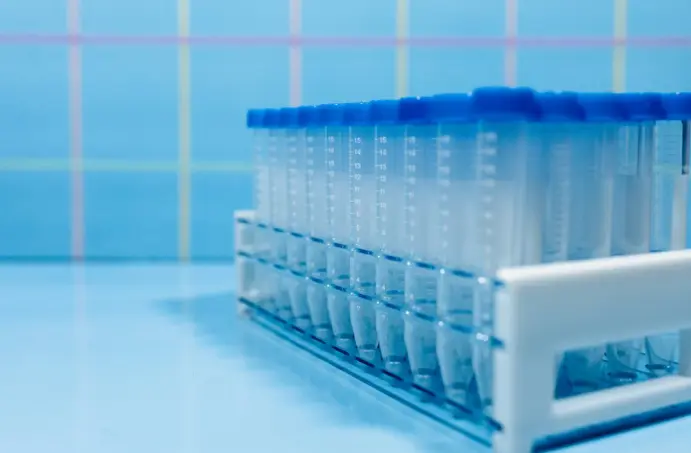
The production and study of TB-500 did not emerge in isolation but as part of a broader, sustained research programme into the therapeutic potential of thymosin-derived molecules. Understanding this programme’s origins and development helps place TB-500’s creation within its proper scientific context.
RegeneRx Biopharmaceuticals and Clinical Development of Thymosin Beta-4
One of the most significant institutional contributors to the clinical translation of Thymosin Beta-4 research has been RegeneRx Biopharmaceuticals, a US-based biopharmaceutical company that licensed and developed Thymosin Beta-4 formulations for clinical investigation across several indications. RegeneRx conducted the phase II clinical trial examining Thymosin Beta-4 eye drops in patients with dry eye disease and neurotrophic keratopathy that was published in the journal Cornea — representing one of the most advanced human clinical programmes involving a Thymosin Beta-4 related compound. The company’s work illustrates how the basic science of Thymosin Beta-4 biology, which provides the molecular foundation for TB-500, has progressed along a clinical development pathway, even if that pathway has not yet produced a regulatory-approved product.
From Animal Studies to Human Research: The Translational Path
The translational research path for compounds derived from Thymosin Beta-4 — including TB-500 — follows the standard progression from in vitro cell studies through animal model investigations to early-phase human clinical trials. The animal model work that has been central to TB-500 research has been conducted across a wide range of species, reflecting the evolutionary conservation of the target sequence discussed earlier. Studies in mice, rats, rabbits, horses, and other species have all contributed to the cumulative evidence base for the biological activities of Thymosin Beta-4 and TB-500, with the convergence of findings across multiple model systems providing greater confidence in the robustness of the observed effects.
TB-500 Natural Occurrence vs Synthetic Production: Key Distinctions
A question that often arises in discussions of TB-500’s origins is whether the compound can be considered “natural” given that it replicates a sequence present in the human body. This question reflects genuine scientific interest in understanding the relationship between endogenous biology and synthetic research tools.
The Distinction Between Endogenous Thymosin Beta-4 and Synthetic TB-500
The LKKTETQ sequence that TB-500 replicates is a natural part of the Thymosin Beta-4 protein that the human body produces. In that sense, the molecular sequence encoded by TB-500 has natural biological origins — it is found in living organisms and performs biological functions within them. However, TB-500 as a research compound is entirely synthetic: it is assembled chemically, one amino acid at a time, in a laboratory setting, and it does not come from any biological source. The distinction is similar to the difference between a naturally occurring vitamin found in food and a chemically synthesised version of the same vitamin produced in a pharmaceutical manufacturing facility — the molecular structure may be identical, but the source and production process are entirely different.
This distinction matters for how TB-500 is regulated and classified. Because it is a synthetic chemical compound rather than a biological extract, TB-500 falls under the regulatory frameworks governing synthetic research chemicals and investigational compounds rather than those governing biological products derived from human or animal tissues. It is this synthetic, laboratory-origin status that places TB-500 within the category of research peptides — compounds available for scientific investigation but not approved for clinical therapeutic use in any major jurisdiction.
Final Thoughts
The origins of TB-500 are layered across multiple dimensions — biological, evolutionary, historical, and technological — and understanding each of these layers provides a more complete and accurate picture of what this research compound actually is and where it comes from. At its deepest level, TB-500 originates from the living body itself, encoded in the Thymosin Beta-4 protein that virtually every nucleated human cell produces and that platelets and immune cells mobilise in concentrated form at sites of injury and repair. This biological origin traces back through hundreds of millions of years of evolutionary history, during which the actin-binding sequence at TB-500’s core was maintained with remarkable consistency across species — a testament to the fundamental importance of the cellular functions it serves.
At a more immediate level, TB-500 originates from the scientific investigations of the 1960s onward, when researchers studying thymic biology began to isolate and characterise the peptide components of thymic extracts, eventually identifying Thymosin Beta-4 and mapping its active molecular domains. It was this sustained programme of biochemical discovery — carried forward across decades by researchers at institutions including the Albert Einstein College of Medicine, the National Institutes of Health, and subsequently commercial organisations like RegeneRx Biopharmaceuticals — that produced the scientific understanding from which TB-500 was derived as a specific synthetic research tool.
At the most practical level, TB-500 originates from specialist peptide chemistry laboratories that use solid-phase peptide synthesis to construct the target amino acid sequence with high precision, characterise the product by HPLC and mass spectrometry, and supply it to research institutions for use in scientific studies. For researchers who work with this compound, including those who source investigational peptides through specialist suppliers such as Peptides Lab UK, understanding these layered origins — biological, historical, and synthetic — is foundational to using TB-500 responsibly, interpreting the research literature accurately, and situating the compound within its appropriate scientific and regulatory context. TB-500 is not a compound that appeared from nowhere; it has a traceable, scientifically coherent origin story that reflects more than half a century of cumulative biological research and continues to evolve as new findings emerge.
Frequently Asked Questions
Where does TB-500 come from naturally?
TB-500’s parent molecule, Thymosin Beta-4, is produced naturally in virtually all nucleated human cells. Highest concentrations are found in platelets, immune cells, and wound fluid. TB-500 as a research compound, however, is synthetically manufactured — it is not extracted from biological tissue.
Is TB-500 found in the human body?
The molecular sequence that TB-500 replicates — residues 17–23 of Thymosin Beta-4 — is naturally present in the human body as part of the full Thymosin Beta-4 protein. However, TB-500 itself is a synthetic peptide produced in a laboratory, not a substance isolated from human or animal sources.
What organ is Thymosin Beta-4 associated with?
Thymosin Beta-4 was first isolated from the thymus gland during research in the 1960s, which is reflected in its name. However, it is now understood to be produced throughout the body in virtually all nucleated cells, not exclusively in thymic tissue.
How is synthetic TB-500 made?
TB-500 is produced using solid-phase peptide synthesis (SPPS), a chemical manufacturing technique that builds the target amino acid sequence one residue at a time on a solid resin support. The final product is purified by high-performance liquid chromatography (HPLC) and verified by mass spectrometry.
Why is Thymosin Beta-4 concentrated in platelets?
Platelets are first responders to tissue injury and release Thymosin Beta-4 into the local wound environment when activated. This stored release appears to support the early phases of tissue repair by promoting cell migration — a role consistent with Thymosin Beta-4’s known actin-regulatory function.
Is TB-500 the same compound that appears naturally in the body?
No. The sequence TB-500 replicates exists naturally within the larger Thymosin Beta-4 protein, but TB-500 itself is a short synthetic peptide fragment produced chemically. It does not occur independently in nature and is not identical to endogenous Thymosin Beta-4.
Why is the Thymosin Beta-4 sequence so well conserved across species?
The actin-binding domain replicated by TB-500 is highly conserved because it performs a fundamental cellular function — regulating actin dynamics critical to cell migration and tissue repair. Evolutionary conservation of this sequence across vertebrates and some invertebrates indicates its biological importance has been maintained by natural selection over hundreds of millions of years.
References
- Hannappel, E., & Leibold, W. (1985). Biosynthesis rates and content of thymosin beta 4 in cell lines. Archives of Biochemistry and Biophysics, 240(1), 236–241. https://doi.org/10.1016/0003-9861(85)90029-8
- Safer, D., Elzinga, M., & Nachmias, V. T. (1991). Thymosin beta-4 and F-actin inhibiting peptides: relationship and mechanism. Journal of Biological Chemistry, 266(7), 4029–4032.
- Goldstein, A. L., & Kleinman, H. K. (2015). Advances in the basic and clinical applications of thymosin beta-4. Expert Opinion on Biological Therapy, 15(Suppl 1), S139–S145. https://doi.org/10.1517/14712598.2015.1033393
- Malinda, K. M., et al. (1999). Thymosin beta-4 accelerates wound healing. Journal of Investigative Dermatology, 113(3), 364–368. https://doi.org/10.1046/j.1523-1747.1999.00708.x
- Smart, N., et al. (2011). De novo cardiomyocytes from within the activated adult heart after injury. Nature, 474(7353), 640–644. https://doi.org/10.1038/nature10188
- Sosne, G., et al. (2007). Thymosin beta-4 promotes corneal wound healing and modulates inflammatory mediators in vivo. Experimental Eye Research, 84(2), 255–261.
- Huff, T., et al. (2001). Beta-thymosins, small acidic peptides with multiple functions. International Journal of Biochemistry & Cell Biology, 33(3), 205–220.
- Ho, E. N. M., et al. (2011). Detection of TB-500 (thymosin beta-4) in equine plasma and urine following administration. Drug Testing and Analysis, 3(9), 637–645. https://doi.org/10.1002/dta.342
- Merrifield, R. B. (1963). Solid phase peptide synthesis. I. The synthesis of a tetrapeptide. Journal of the American Chemical Society, 85(14), 2149–2154. https://doi.org/10.1021/ja00897a025
- Philp, D., et al. (2003). Thymosin beta-4 promotes angiogenesis, wound healing, and hair follicle development. Mechanisms of Development, 120(11), 1327–1336.
🔗 Related Reading: For a comprehensive overview of TB-500 research, mechanisms, UK sourcing, and safety data, see our TB-500 UK: Complete Research Guide (2026).



