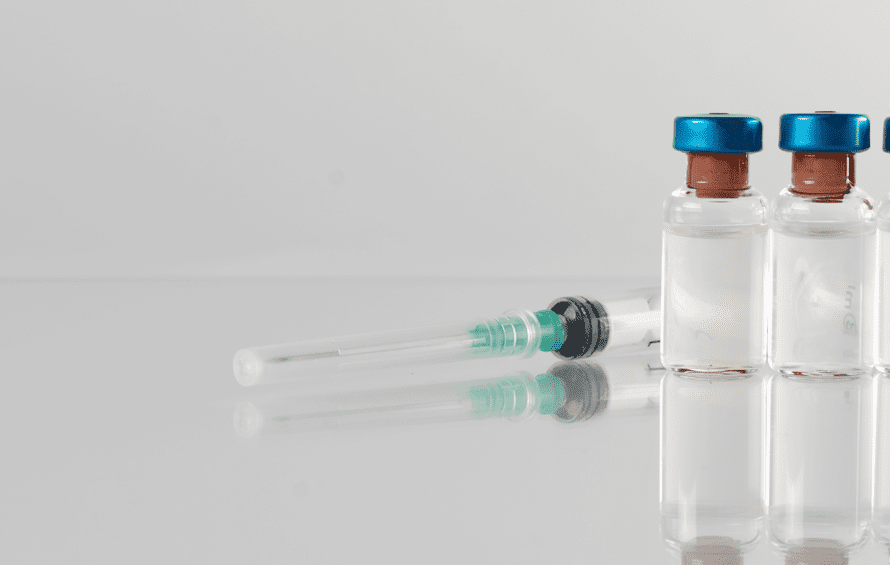
All products sold by Peptides Lab UK are strictly for research purposes only and not for human consumption. The following information is provided for educational and scientific reference.
What Is Retatrutide?
Retatrutide is a synthetic investigational peptide that simultaneously activates three hormone receptors — GLP-1 (glucagon-like peptide-1), GIP (glucose-dependent insulinotropic polypeptide), and glucagon. This triple-agonist mechanism distinguishes it from earlier-generation metabolic peptides such as Semaglutide (single agonist) and Tirzepatide (dual agonist), and has made it one of the most actively researched compounds in metabolic science.
Developed by Eli Lilly, Retatrutide is currently in Phase II/III clinical trials for obesity and type 2 diabetes. It is not approved for human therapeutic use in any jurisdiction. In the UK, it is legally available for laboratory and preclinical research from verified research peptide suppliers.
UK researchers looking to source verified, COA-backed Retatrutide can buy Retatrutide from Peptides Lab UK here. For the complete UK-specific procurement, HPLC purity and supplier due-diligence walkthrough, see our Buy Research Peptides UK: HPLC, COA & UK Supplier Due-Diligence Guide.
How Retatrutide Works: The Triple-Agonist Mechanism
The scientific interest in Retatrutide stems from its ability to engage three distinct receptor pathways simultaneously — an approach that produces compounding metabolic effects not achievable with single or dual-agonist compounds. For head-to-head receptor comparison across the incretin class (semaglutide, tirzepatide, retatrutide), see our GLP-1 Peptides UK Complete Research Hub.
GLP-1 Receptor Activation
GLP-1 receptor agonism reduces appetite by slowing gastric emptying, stimulating insulin secretion in a glucose-dependent manner, and reducing glucagon release from the pancreas. This mechanism is shared with Semaglutide and Tirzepatide and is responsible for the appetite suppression and improved glycaemic control observed across this class of peptides.
GIP Receptor Activation
GIP receptor agonism enhances the insulinotropic response and has been shown in research to reduce inflammation and modulate fat cell function. Tirzepatide also targets this receptor, contributing to its superior efficacy over Semaglutide in head-to-head trials.
Glucagon Receptor Activation
This is what sets Retatrutide apart. Glucagon receptor agonism increases energy expenditure by stimulating hepatic fat oxidation and thermogenesis — effectively accelerating the rate at which the body burns stored fat. Combined with the appetite reduction from GLP-1 and GIP activation, this creates a more powerful and sustained fat loss mechanism than dual-agonist peptides can achieve.
Retatrutide Research Findings
Phase II clinical trial data published in the New England Journal of Medicine (Jastreboff et al., June 2023) reported the following findings in adult participants with obesity over 48 weeks:
- Up to 24.2% mean body weight reduction at the highest dose (12mg weekly)
- Significant reductions in visceral adipose tissue
- Improved fasting glucose and insulin sensitivity markers
- Reductions in waist circumference averaging 18–22cm
- Greater efficacy than both Semaglutide 2.4mg and Tirzepatide 15mg in indirect comparisons
These findings represent some of the most significant weight reduction outcomes ever observed in a clinical trial for a non-surgical intervention, and have driven substantial research interest in the UK and globally.
Retatrutide vs Tirzepatide vs Semaglutide: Research Comparison
| Compound | Receptors Targeted | Peak Weight Loss (Trials) | Approval Status | Research Availability UK |
|---|---|---|---|---|
| Semaglutide | GLP-1 | ~15% | Approved (Wegovy/Ozempic) | Available |
| Tirzepatide | GLP-1 + GIP | ~21% | Approved (Mounjaro) | Available |
| Retatrutide | GLP-1 + GIP + Glucagon | ~24% | Investigational (Phase II/III) | Available for research |
For researchers studying the incremental efficacy of each additional receptor target, this comparison illustrates a clear dose-response relationship between receptor coverage and metabolic outcome.
Retatrutide Dosage in Preclinical Research Contexts
The following dosage information is drawn from published clinical trial protocols and is provided for informational and research reference only. It does not constitute medical advice or a recommendation for human use.
In the Phase II trial, a weekly subcutaneous injection protocol was used with gradual dose titration:
- Starting dose: 1mg per week
- Titration schedule: Dose escalation every 4 weeks
- Doses studied: 1mg, 4mg, 8mg, and 12mg weekly
- Reconstitution (research vials): Typically 20mg vial reconstituted with 2ml bacteriostatic water yields 10mg/ml (0.1ml = 1mg)
For detailed dosage research protocols, see our Retatrutide Dosage Chart and the comprehensive Retatrutide Research: Dosage Protocols, HPLC Sourcing & UK Compliance Guide.
Warning: Reta Pens and Retatrutide Pens Are Not Legitimate Research Products
A significant concern in the UK peptide market is the proliferation of products sold as “Reta Pens,” “Retatrutide Pens,” or pre-filled injection devices containing purported Retatrutide. Researchers and procurement teams should be aware of the following:
- Retatrutide has not been approved for any clinical use and therefore does not exist in any legitimate pharmaceutical pen format
- Products sold as Reta Pens are typically counterfeit devices containing either Mounjaro (Tirzepatide) — itself a prescription medicine in the UK — or unknown substances
- These products carry serious contamination and dosing risks and originate from unregulated underground laboratories
- No legitimate research peptide supplier produces or sells Retatrutide in pen format
Verified research-grade Retatrutide is available exclusively in lyophilised (freeze-dried) powder form in sealed vials, accompanied by a batch-specific Certificate of Analysis from an independent laboratory. This is the only format that meets research-grade standards.
Is It Legal to Buy Retatrutide in the UK?
Yes. Retatrutide is legal to purchase in the UK for research purposes. It is not classified as a controlled substance under the Misuse of Drugs Act 1971 or the Psychoactive Substances Act 2016. It is not licensed for human use or veterinary use.
Legal sourcing requirements:
- Purchased from a supplier who clearly classifies products as “for research use only”
- Not purchased for, or used for, human consumption
- Accompanied by documentation confirming purity and composition
Peptides Lab UK operates in full compliance with UK research chemical regulations. Every Retatrutide vial is batch-tested by an independent laboratory, and the Certificate of Analysis is published and available before purchase.
How We Test Retatrutide: What a Real COA Shows
A question we are asked regularly is what a legitimate Certificate of Analysis for Retatrutide actually contains — and how to read it. This matters because generic or fabricated COAs are common in the peptide market and are one of the primary ways substandard product is passed off as research grade.
A genuine, independent HPLC analysis of Retatrutide will show:
- A single dominant chromatographic peak at the expected retention time for the Retatrutide molecular weight (approximately 4,859 Da). Multiple peaks or shoulder peaks indicate impurities or degradation products.
- Purity expressed as an area percentage — for example, 99.3%. This figure is calculated from the ratio of the target peak area to all detected peaks combined. A figure above 98% is the minimum acceptable for research grade.
- Molecular weight confirmation by mass spectrometry, showing a match to the Retatrutide theoretical mass within acceptable tolerance.
- A unique batch reference number that ties the document to a specific production run. This is the detail most easily faked — a COA that applies to multiple batches is not a batch-specific COA.
Every Peptides Lab UK Retatrutide batch is tested by an independent third-party laboratory. If a batch returns below 99% purity, it is not dispatched. This is not standard practice across the UK peptide market — it is the standard we hold ourselves to.
Why Source Retatrutide from Peptides Lab UK?
Sourcing quality matters significantly in peptide research. Purity variations, incorrect concentrations, and contamination directly compromise research outcomes — and in the current market, substandard product is common.
Peptides Lab UK supplies Retatrutide to the following specification:
- ✅ ≥99% purity — independently verified by HPLC analysis
- ✅ Batch-specific Certificate of Analysis — tied to the exact production run, not a generic document
- ✅ Lyophilised format — freeze-dried for maximum stability and accurate reconstitution
- ✅ Pharmaceutical-grade sterile vials — tamper-evident, correctly sealed
- ✅ UK-based storage and dispatch — no customs delays, consistent temperature-controlled delivery
- ✅ Research-only classification — full regulatory compliance
Related Retatrutide Research Resources
- Retatrutide Research: Dosage Protocols, HPLC Sourcing & UK Compliance Guide 2026 — in-depth Phase 2 dosing, reconstitution, COA and UK RUO positioning
- Retatrutide Dosage Chart: Titration Protocol Based on Preclinical Research
- Retatrutide vs Tirzepatide: Comparative Analysis for Researchers
- How Does Retatrutide Work? Mechanism of Action Explained
- How Much Weight Can You Lose on Retatrutide? (Research Data)
UK Research Cluster Hubs
Retatrutide sits inside the wider GLP-1 incretin research class. For broader UK research context, explore the sister pillars:
- GLP-1 Peptides UK: Complete Research Hub 2026 — the full incretin class compared (retatrutide, tirzepatide, semaglutide, liraglutide)
- Tirzepatide UK: Complete Research Guide 2026 — dual GLP-1R/GIPR incretin
- BPC-157 UK: Complete Research Guide 2026 — pentadecapeptide tissue repair
- TB-500 UK: Complete Research Guide 2026 — thymosin beta-4 actin biology
- Peptides UK: Research-Grade Sourcing Guide — site-wide UK procurement hub
- Buy Research Peptides UK: HPLC, COA & Supplier Due-Diligence Guide — how to verify purity and a legitimate UK supplier
Frequently Asked Questions
Where can I buy Retatrutide in the UK?
Retatrutide is available for research purchase in the UK from Peptides Lab UK at peptideslabuk.com/product/retatrutide/. Every vial is independently HPLC-tested to ≥99% purity with a batch-specific Certificate of Analysis available before purchase.
Is Retatrutide the same as Mounjaro?
No. Mounjaro is the brand name for Tirzepatide, a dual GLP-1/GIP agonist approved for clinical use in the UK. Retatrutide is a distinct compound — a triple agonist targeting GLP-1, GIP, and glucagon receptors — that is still investigational and not approved for human use in any country.
What is a Reta Pen and is it legitimate?
Reta Pens are counterfeit products falsely marketed as Retatrutide in pre-filled pen format. Since Retatrutide has not received clinical approval, no legitimate pen formulation exists. Products sold under this name typically contain Tirzepatide, counterfeit Semaglutide, or unknown substances. Researchers should only source lyophilised powder vials with a verified, batch-specific COA from a UK-based supplier.
How does Retatrutide compare to Tirzepatide for research?
Retatrutide adds glucagon receptor agonism to the GLP-1/GIP dual mechanism of Tirzepatide. Phase II data (NEJM, 2023) showed up to 24.2% mean body weight reduction with Retatrutide at 12mg weekly over 48 weeks, compared to approximately 21% with Tirzepatide at 15mg in the SURMOUNT trials over comparable periods. The additional glucagon activation is the primary driver of the difference — it increases energy expenditure rather than purely suppressing intake. See our full Retatrutide vs Tirzepatide comparison guide.
Is Retatrutide legal in the UK?
Yes, for research purposes only. Retatrutide is not listed under the Misuse of Drugs Act 1971 or the Psychoactive Substances Act 2016, meaning possession for legitimate research is not a criminal offence. It is not approved for human consumption and must not be sold or marketed for that purpose — doing so would constitute supply of an unlicensed medicine under the Human Medicines Regulations 2012.
What purity should research-grade Retatrutide be?
The minimum acceptable standard for research-grade Retatrutide is ≥98% purity by independent HPLC analysis, with a batch-specific Certificate of Analysis. Peptides Lab UK supplies Retatrutide to ≥99% purity as standard — the COA for the current batch is available on the product page before purchase.
How long does reconstituted Retatrutide remain stable?
Lyophilised (unreconstituted) Retatrutide stored at -20°C is stable for 24 months or more. Once reconstituted with bacteriostatic water, the solution should be refrigerated at 2–8°C and used within 28 days for optimal integrity. Repeated freeze-thaw cycles after reconstitution degrade the peptide — aliquot into single-use volumes if longer storage is required.
Can Retatrutide be used in rodent preclinical models?
Yes. Retatrutide has been studied in rodent models prior to human trials. Dosing in murine models differs significantly from the human trial protocol — researchers should consult published preclinical pharmacokinetic data and scale appropriately for the model species. Body weight, administration frequency, and route all require adjustment from human-equivalent protocols.
What does the Retatrutide HPLC purity figure actually mean?
HPLC purity is measured as an area percentage: the peak corresponding to the Retatrutide molecule is divided by the total area of all detected peaks. A result of 99.3%, for example, means that 99.3% of all UV-absorbing material in the sample elutes at the Retatrutide retention time — the remaining 0.7% comprises synthesis by-products, degradation fragments, or other trace materials. For research applications requiring high reproducibility, any batch below 98% introduces a meaningful variable into experimental outcomes.
This article is for informational and research purposes only. All Retatrutide products referenced are sold strictly for research use and are not intended for human consumption.