




No products in the cart.

Up to - 22%

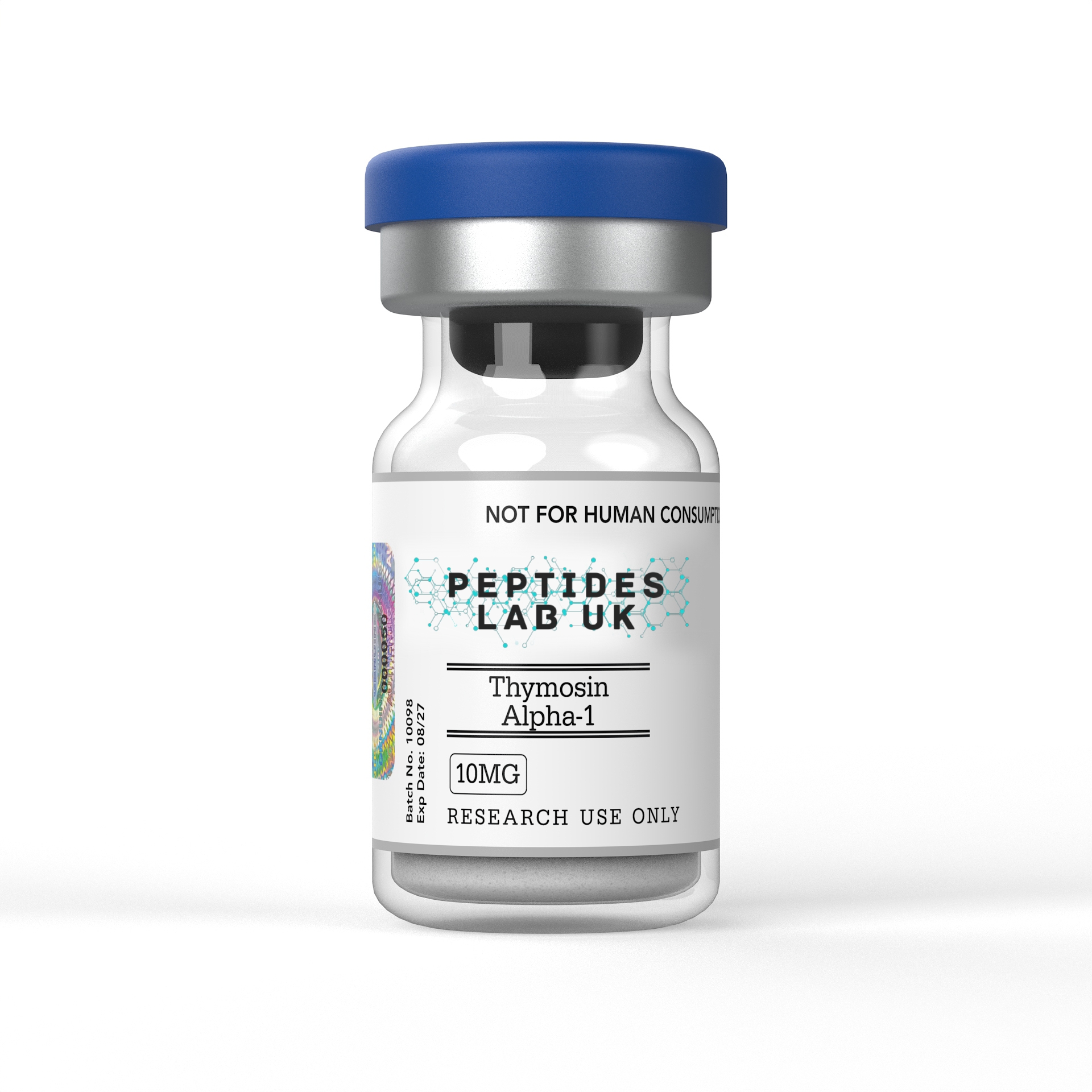
Thymosin Alpha-1 For Lab Research
£139.99
Login for member prices★★★★★
✔︎ Quality checked
✔︎ Third party verified
Thymosin Alpha-1 (Ta1) is a 28-amino acid thymic peptide for laboratory and in vitro research. Supplied at >99% purity with a full third-party COA. For laboratory and in vitro research use only. Not for human consumption. Not a medicine.
Looking for a Certificate of Analysis?
If you are looking for a Certificate Of Analysis, please email research@peptideslabuk.com to have it sent to you.
Please Note: Many sites are displaying counterfeit COAs, so ours is provided upon request.
If you are looking for a Certificate Of Analysis, please email research@peptideslabuk.com to have it sent to you.
Please Note: Many sites are displaying counterfeit COAs, so ours is provided upon request.
You may also like…
- Login for member prices
-
Login for member prices
-
Login for member prices
Product Description
Thymosin Alpha-1 High-Purity Immunomodulatory Thymic Peptide Research Compound | Peptides Lab UK
Thymosin Alpha-1 (Tα1, also known as thymalfasin) is a naturally occurring 28-amino acid thymic peptide and biological response modifier (BRM) that acts through Toll-like receptor (TLR) signalling pathways — including TLR2, TLR3, TLR4, TLR7, and TLR9 — to modulate T-cell, B-cell, natural killer cell, dendritic cell, and macrophage function across both innate and adaptive immune responses, supplied by Peptides Lab UK in lyophilised format at >99% purity (HPLC verified) for in vitro and pre-clinical laboratory research use only.
Available to buy in the UK from Peptides Lab UK, Thymosin Alpha-1 is one of the most extensively studied immunomodulatory peptides in biomedical research, with a published literature base spanning more than four decades across immunology, virology, oncology, and infectious disease research, including published regulatory approval as thymalfasin (Zadaxin®) for chronic hepatitis B and C in multiple countries. Each batch is independently quality-tested and distributed in a controlled lyophilised format, suitable for precise laboratory handling and in vitro research protocols.
What is Thymosin Alpha-1 ?
Thymosin Alpha-1 (Tα1) is a 28-amino acid peptide produced from the N-terminal region of prothymosin alpha (ProTα) — a 109-amino acid precursor protein expressed in the thymus and many other tissues. Tα1 was originally isolated from thymic tissue by Goldstein and colleagues in 1977 as the specific fraction of thymosin fraction 5 (TF5) responsible for restoring immune function to thymectomised mice — the founding observation that established Tα1 as a thymus-derived immunological signal. The peptide sequence of Tα1 is: Ac-Ser-Asp-Ala-Ala-Val-Asp-Thr-Ser-Ser-Glu-Ile-Thr-Thr-Lys-Asp-Leu-Lys-Glu-Lys-Lys-Glu-Val-Val-Glu-Glu-Ala-Glu-Asn-OH. The N-terminal acetylation is essential for its biological activity.
Unlike many peptide hormones that act through a single high-affinity receptor, Tα1’s mechanism of action is characterised by pleiotropic activity across multiple immune cell populations and multiple receptor signalling pathways. Tα1 has been confirmed to engage Toll-like receptors TLR2, TLR3, TLR4, TLR7, and TLR9 — innate immune pattern recognition receptors that are fundamental regulators of both innate and adaptive immune activation. Through these receptor interactions, Tα1 activates downstream signalling cascades including TLR3/4/9-mediated IRF3 and NF-κB activation, TLR2-mediated NF-κB and p38MAPK activation, and TLR7/MyD88 pathway activation — producing broad upregulation of innate and adaptive immune effector functions.
Tα1 is classified as a biological response modifier (BRM) — a category of agents that modify the host’s biological response to disease states rather than acting directly on pathogens or tumour cells. In the context of immune dysregulation — whether caused by immunosuppression, immunosenescence, viral infection, cancer-related immune evasion, or sepsis-induced immune paralysis — Tα1 acts as an immune balancer, enhancing suppressed immune effector populations while simultaneously modulating excessive inflammatory responses in hyperactivated contexts. This dual capacity for immune enhancement and inflammatory regulation has made Tα1 a compound of sustained research interest across a uniquely diverse range of disease biology models.
Thymosin Alpha-1 – Key Research Facts
- Full name: Thymosin Alpha-1 (Tα1) — also known as thymalfasin; trade name Zadaxin® in approved clinical settings
- Sequence: Ac-Ser-Asp-Ala-Ala-Val-Asp-Thr-Ser-Ser-Glu-Ile-Thr-Thr-Lys-Asp-Leu-Lys-Glu-Lys-Lys-Glu-Val-Val-Glu-Glu-Ala-Glu-Asn-OH (28 amino acids)
- Origin: Produced from N-terminal cleavage of prothymosin alpha (ProTα) — originally isolated from thymic tissue
- N-terminal acetylation: Essential for biological activity
- Classification: Biological response modifier (BRM) — natural immunomodulant with pleiotropic activity
- Primary receptors: TLR2, TLR3, TLR4, TLR7, TLR9 (Toll-like receptor family)
- Key signalling: IRF3 and NF-κB (TLR3/4/9); NF-κB and p38MAPK (TLR2); MyD88 (TLR7)
- Immune cell targets: CD4+ T cells, CD8+ T cells, NK cells, B cells, dendritic cells (including pDCs), macrophages
- Functional profile: Immune balancer — enhances suppressed immune function in immunodepressed contexts; modulates excessive inflammation in hyperactivated contexts
- Regulatory approvals: Thymalfasin (Zadaxin®) approved for chronic hepatitis B and C in multiple countries — not applicable to Peptides Lab UK supply
- Research scope: Immunology, viral infection, cancer immunobiology, sepsis, vaccine adjuvancy, inflammageing, and TLR signalling pathway research
What Does Thymosin Alpha-1 Do in Research?
In laboratory and pre-clinical research settings, Thymosin Alpha-1 is studied as a multi-target immunomodulatory compound whose effects span the full breadth of innate and adaptive immune biology. Its pleiotropic TLR-mediated mechanism makes it an exceptionally useful research tool for investigating the downstream consequences of simultaneous innate immune pathway activation across multiple cell types and receptor systems — a research application that single-pathway stimulants cannot replicate.
At the T-cell level, Tα1 has been documented to enhance CD4+ T helper cell and CD8+ cytotoxic T lymphocyte activation, proliferation, and functional differentiation. It promotes IL-2 production and IL-2 receptor (IL-2R) expression in lymphocytes — processes that are fundamental to T-cell clonal expansion and adaptive immune response amplification. A short preincubation with Tα1 (as little as 30 minutes) is sufficient to enhance subsequent mitogen-induced IL-2 secretion and IL-2R expression, indicating Tα1’s mechanism involves early T-cell activation events rather than requiring sustained peptide exposure for effect.
At the innate immune level, Tα1 activates dendritic cells — particularly plasmacytoid dendritic cells (pDCs), which are the primary producers of type I interferons — upregulating activation markers including CD40, CD80, and TIM-3, and stimulating TNFα production. Macrophage activation has been documented via TLR2/NF-κB and TLR2/p38MAPK pathways, with Tα1 treatment producing increased production of pro-inflammatory cytokines in the context of immune stimulation. NK cell activation and cytotoxic function are also enhanced by Tα1 in published experimental models.
Key Research Areas for Thymosin Alpha-1
- TLR2, TLR3, TLR4, TLR7, and TLR9 receptor activation and downstream IRF3, NF-κB, MyD88, and p38MAPK signalling studies
- CD4+ T helper cell and CD8+ cytotoxic T lymphocyte activation, proliferation, and differentiation assays
- IL-2 production, IL-2R expression, and T-cell clonal expansion pathway studies
- Dendritic cell (DC and pDC) activation, maturation, and cytokine production studies
- NK cell activation and cytotoxic function pathway research
- Macrophage activation and cytokine secretion studies — NF-κB and p38MAPK pathway
- CD4+/CD8+ ratio modulation studies in immunosuppressed experimental models
- Immune balance research — dual immune enhancement and anti-inflammatory modulation in dysregulated contexts
- Cancer immunobiology — immune-enhancer activity in tumour cell line and immune cell co-culture models
- Viral infection immune pathway research — innate and adaptive response activation in viral challenge models
- Vaccine adjuvancy pathway research — Tα1 as immune potentiator in vaccination models
- Sepsis and immune paralysis pathway studies — Tα1-mediated immune reconstitution in immunosuppressed models
- Inflammageing research — Tα1 effects on immune function in aged cell models
What Do Studies Say About Thymosin Alpha-1?
Thymosin Alpha-1 has one of the most substantial published research bases of any immunomodulatory peptide, spanning foundational mechanism studies, broad clinical trial evidence, and contemporary investigations into its roles in cancer, viral infection, and immune dysregulation.
Pleiotropic Immune Modulation Review — TLR Signalling & Multiple Immune Cell Subsets (PubMed, 2016)
Comprehensive Evidence for Tα1 as a Multi-Pathway Immunomodulator Across Disease Contexts
A major review published in Vitamins and Hormones confirmed that Tα1 was originally isolated from thymic tissue as the compound responsible for restoring immune function to thymectomised mice. The review documented Tα1’s pleiotropic mechanism of action across multiple immune cell subsets involved in immune suppression. It confirmed that Tα1 acts through Toll-like receptors to modify the function of T cells, natural killer cells, dendritic cells, and macrophages. The review presented evidence from published studies demonstrating improvements in immune system cell subsets and positioned Tα1 as having potential across a broad range of disease contexts including cancer treatment and infectious disease. The authors described Tα1’s capacity to modulate both innate and adaptive immune pathways as the foundation of its unusually wide research applicability.
Reference: King R & Tuthill C (2016). Immune Modulation with Thymosin Alpha 1 Treatment. Vitamins and Hormones. DOI: 10.1016/bs.vh.2016.04.003. PubMed PMID: 27450734.
TLR Signalling Mechanisms in Viral Infection — Systematic Review (Molecules, 2023)
TLR3/4/9 IRF3/NF-κB and TLR2/7 MyD88 Pathway Activation Confirmed Across Viral Models
A systematic review published in Molecules (MDPI, 2023) — covering PubMed, Scopus, and Web of Science through April 2023 — comprehensively documented Tα1’s TLR signalling mechanisms and clinical applications in viral infectious disease. The review confirmed Tα1’s sequence and its derivation from ProTα via asparagine endopeptidase cleavage, and provided a detailed mechanistic account of its receptor interactions: TLR3/4/9 activation drives downstream IRF3 and NF-κB signalling, promoting proliferation and activation of target immune cells; TLR2/NF-κB, TLR2/p38MAPK, and TLR7/MyD88 pathways are additionally activated, promoting cytokine production and enhancement of both innate and adaptive immune responses. Clinical research contexts documented included hepatitis B, hepatitis C, HIV, and COVID-19, with the review confirming Tα1 as a well-characterised immunostimulatory peptide for viral infection pathway research.
Reference: Thymosin α1 and Its Role in Viral Infectious Diseases: The Mechanism and Clinical Application (2023). Molecules. MDPI. DOI: 10.3390/molecules28083539.
IL-2 Production & T-Cell Activation Mechanism Study (PubMed, 1989)
30-Minute Preincubation Sufficient to Enhance IL-2 Secretion and IL-2R Expression
A mechanistic study published in the International Journal of Immunopharmacology characterised the specific cellular and molecular events underlying Tα1’s immunoregulatory effects on IL-2 production and IL-2 receptor expression in normal human lymphocytes. The study confirmed that a short preincubation of non-adherent cells with Tα1 for just 30 minutes, followed by extensive washing and subsequent exposure to the mitogen PHA, was sufficient to enhance both IL-2 production and IL-2R expression — indicating that Tα1 modulates an early event during lymphocyte activation. The study documented that macrophages are an absolute requirement for the full manifestation of Tα1’s enhancing effects, with macrophage-derived IL-1β identified as a critical co-signal. Both CD4+ helper/inducer and CD8+ cytotoxic/suppressor T-cell populations were identified as targets of Tα1 activity. The authors concluded that these findings provided additional evidence for thymosins’ important role in modulation of the normal immune response and began to define the underlying mechanisms of Tα1’s immunoregulatory properties.
Reference: Sztein MB et al. (1989). Characterization of the immunoregulatory properties of thymosin alpha 1 on interleukin-2 production and interleukin-2 receptor expression in normal human lymphocytes. International Journal of Immunopharmacology. PubMed PMID: 2599716.
Cancer Immunobiology — Tumour Cell Lines & Immune Cell Subset Study (PubMed, 2025)
Tα1 Differentially Modulates Gene Expression in Cancer Cell Lines and Healthy Donor Immune Cells
A study published in 2025 investigated Tα1’s immunomodulatory activity on tumour cell lines — including cutaneous melanoma, glioblastoma, and pleural mesothelioma — alongside direct effects on CD4+ T, CD8+ T, B, and NK cells from healthy donors. Tα1 was applied at scalar doses for 48 hours, with transcriptional immune profiling conducted using nCounter analysis. The study found that Tα1 influenced the transcriptional immune profile of all three cancer cell line types, and produced distinct gene expression modulation patterns across each immune cell subset — with differentially expressed genes (DEGs) identified across all four immune populations. The study confirmed Tα1’s immune-enhancing activity in the anti-tumour context and characterised its pleiotropic direct effects on distinct immune cell populations — including NK cell, B cell, and T-cell subsets — with each population showing a unique DEG profile following treatment.
Reference: The Immunomodulatory Activity of Thymosin Alpha 1 on Tumor Cell Lines and Distinct Immune Cell Subsets (2025). OncoTargets and Therapy. DOI: 10.2147/OTT.S527785. PubMed PMID: 40955371.
Dendritic Cell Activation & SARS-CoV-2 Immune Response Study (PubMed, 2023)
Tα1 Upregulates pDC Activation Markers and Modulates T-Cell Cytokine Production in COVID-19 Context
A study published in Immunity & Ageing investigated Tα1’s in vitro effects on immune cells from donors across different age groups in the context of SARS-CoV-2 infection. The study found that Tα1 upregulated activation markers CD40, CD80, and TIM-3 on plasmacytoid dendritic cells (pDCs) — the primary type I interferon-producing cells of the innate immune system — with increased TNFα production observed in treated versus untreated conditions. Co-cultures of CD4+ and CD8+ T cells with Tα1-treated DCs stimulated with SARS-CoV-2 peptides showed a decrease in proinflammatory cytokine production compared to untreated DC co-cultures — indicating that Tα1-conditioned DCs modulate T-cell responses toward a less hyperinflammatory profile. The authors concluded that Tα1 could improve lymphocyte functionality and represents a potential research tool for studying immune modulation in viral infection and vaccination contexts, particularly in aged immune system models.
Reference: Espinar-Buitrago MS et al. (2023). The use of alpha 1 thymosin as an immunomodulator of the response against SARS-CoV2. Immunity & Ageing. DOI: 10.1186/s12979-023-00351-x. PubMed PMID: 37408063.
Severe Acute Pancreatitis — CD4+ T-Cell & CD4+/CD8+ Ratio Meta-Analysis (Frontiers in Immunology, 2025)
Tα1 Significantly Increases CD4+ T Cells and CD4+/CD8+ Ratio in Immune-Suppressed SAP Patients
A systematic review and meta-analysis published in Frontiers in Immunology (2025) — searching PubMed, Embase, Web of Science, Cochrane Library, and CNKI up to February 2025 — included five randomised controlled trials comprising 706 patients with severe acute pancreatitis (SAP). The pooled analysis found that Tα1 significantly increased the percentage of CD4+ T cells (mean difference 4.53, 95% CI [3.02, 6.04], p<0.00001) and improved the CD4+/CD8+ ratio (mean difference 0.42, 95% CI [0.26, 0.58], p<0.00001) in SAP patients. The authors concluded that Tα1 can regulate immune cell balance and alleviate immune suppression in this setting — including potential anti-inflammatory and infection-preventive effects — and identified the restoration of the CD4+/CD8+ ratio as the primary immunological mechanism underpinning these outcomes.
Reference: Tian Y et al. (2025). Thymosin alpha 1 alleviates inflammation and prevents infection in patients with severe acute pancreatitis through immune regulation: a systematic review and meta-analysis. Frontiers in Immunology. DOI: 10.3389/fimmu.2025.1571456. PubMed PMID: 40599771.
Thymosin Alpha-1 UK – Specifications
Product Details
- Sequence: Ac-Ser-Asp-Ala-Ala-Val-Asp-Thr-Ser-Ser-Glu-Ile-Thr-Thr-Lys-Asp-Leu-Lys-Glu-Lys-Lys-Glu-Val-Val-Glu-Glu-Ala-Glu-Asn-OH (28 amino acids)
- Purity:>99% (HPLC verified)
- Form: Lyophilised powder
- Storage: Store dry at –20°C; protect from light
- Solubility: Sterile water, bacteriostatic water, or suitable laboratory buffer
- Distributed by: Peptides Lab UK
- Quality assurance: Rigorous batch-level analysis; certificate of analysis available on request
Research Applications
Suitable Laboratory Uses for Thymosin Alpha-1
- TLR2, TLR3, TLR4, TLR7, and TLR9 receptor activation and downstream signalling studies — IRF3, NF-κB, p38MAPK, MyD88
- CD4+ T helper cell and CD8+ T cytotoxic lymphocyte activation, proliferation, and differentiation assays
- IL-2 production and IL-2R expression studies — early T-cell activation pathway research
- Dendritic cell (DC and pDC) activation, maturation marker, and cytokine production assays
- NK cell activation and anti-tumour cytotoxic function research
- Macrophage activation and cytokine secretion pathway studies
- CD4+/CD8+ ratio and T-cell subset balance studies in immunosuppression models
- Cancer immunobiology — tumour cell line transcriptional profiling and immune cell co-culture studies
- Viral infection innate and adaptive immune response pathway research
- Vaccine adjuvancy — Tα1 as immune potentiator in antigen-stimulated cell models
- Inflammageing pathway research — immune function studies in aged cell models
- Comparative BRM research — Tα1 vs. other thymic peptides and cytokine-based immunomodulators
- Molecular analysis and controlled laboratory experiments
Why Buy Thymosin Alpha-1 in the UK from Peptides Lab UK?
Peptides Lab UK is a trusted UK-based supplier of research-grade peptides and immunomodulatory research compounds. All products are distributed in lyophilised format with batch-verified purity documentation. Whether you are looking to buy Thymosin Alpha-1 in the UK, sourcing a high-purity thymalfasin research preparation for immunology or cancer biology research, or searching for a reliable UK peptides supplier with documented quality control, Peptides Lab UK provides consistent quality with rigorous third-party analysis on every batch.
Thymosin Alpha-1’s documented engagement of five TLR subtypes simultaneously — combined with its pleiotropic effects across T cells, NK cells, dendritic cells, B cells, and macrophages — makes it one of the most versatile immunomodulatory research tools available. The >99% HPLC-verified purity standard ensures that TLR activation assay results, cytokine measurements, and immune cell proliferation data reflect authentic Tα1 pharmacology without interference from degradation products or inactive peptide impurities.
Related Search Terms
Researchers searching for: buy Thymosin Alpha-1 UK, Thymosin Alpha-1 peptide UK, Tα1 research UK, thymalfasin research UK, buy thymalfasin UK, Thymosin Alpha 1 for sale UK, immunomodulatory peptide UK research, TLR signalling peptide UK, UK peptides research grade, Peptides UK lab supply, thymic peptide UK research, buy Thymosin Alpha-1 research UK, Thymosin Alpha-1 in the UK, BRM peptide UK, immune research peptide UK — Peptides Lab UK supplies this compound for qualified laboratory researchers within the United Kingdom.
Important Notice & Research Disclaimer
⚠️ This product is supplied by Peptides Lab UK strictly for laboratory research use only. Thymosin Alpha-1 (Tα1) as distributed by Peptides Lab UK is not intended for, and must not be used for, human consumption, medical treatment, self-administration, veterinary applications, or any use outside of a controlled laboratory environment. This compound is handled exclusively in controlled research settings for in vitro and pre-clinical studies, with no applications in human or veterinary medicine.
Handling must only be performed by qualified and trained laboratory professionals in accordance with applicable regulations and institutional guidelines. Peptides Lab UK accepts no liability for any use of this compound outside of its intended laboratory research purpose.
References to published research throughout this description are provided for informational and research context only and do not constitute medical claims or endorsements of any therapeutic application of this product.
Related products
-
Login for member prices
-
Login for member prices
-
Login for member prices
