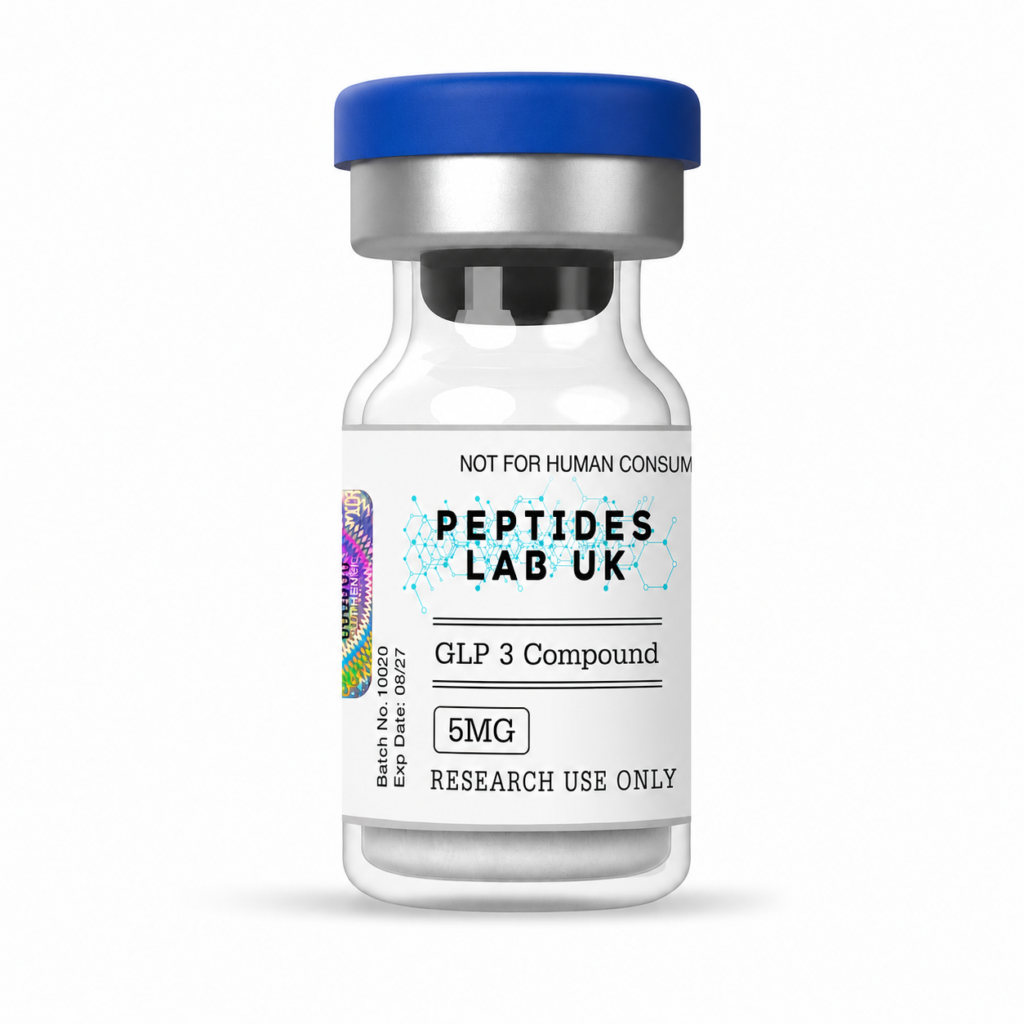
Quick Answer Box: Research into metabolic peptides including semaglutide, tirzepatide, and growth hormone secretagogues has documented their influence on appetite regulation, metabolic rate, and adipose tissue metabolism in clinical studies. These compounds demonstrate effectiveness when integrated into comprehensive metabolic interventions rather than as isolated therapeutic agents.
Table of Contents
Understanding peptides in metabolic research contexts
Peptides are short chains of amino acids functioning as signaling molecules throughout biological systems. Unlike proteins containing hundreds or thousands of amino acids, peptides typically consist of 2-50 amino acids linked together. This molecular size enables specific cellular, tissue, and organ communication with remarkable precision. In metabolic research contexts, these molecules primarily influence metabolic processes, hormone production, appetite regulation, and fat metabolism.
Peptide signaling in metabolic pathways
Human physiology naturally produces thousands of distinct peptides controlling processes from growth and repair to hunger signaling and energy expenditure. Research examining metabolic peptides investigates compounds that either mimic these natural substances or enhance existing metabolic pathways. Some peptides target receptors in hypothalamic regions controlling satiety and food intake, while others stimulate growth hormone release, promoting fat oxidation and muscle tissue preservation. The specificity of peptide signaling makes them valuable research tools for investigating metabolic processes that conventional interventions struggle to address.
Categories of metabolic peptides under investigation
Research into metabolic peptides has accelerated substantially over the past decade, with several compounds undergoing clinical trials and some receiving regulatory approval for therapeutic applications. Peptides demonstrating metabolic effects typically categorize based on their primary mechanism of action. GLP-1 receptor agonists reduce appetite and slow gastric emptying, growth hormone secretagogues increase metabolic rate and fat oxidation, and melanocortin receptor agonists affect both energy expenditure and food intake. Each category offers distinct research applications depending on metabolic profiles and investigation objectives.
Metabolic peptides with documented weight management effects

Semaglutide and tirzepatide (GLP-1 receptor agonists)
Semaglutide and tirzepatide represent the most clinically validated peptides for metabolic applications currently available. These GLP-1 receptor agonists mimic naturally occurring glucagon-like peptide-1, a hormone released postprandially that signals satiety. Clinical studies document that participants receiving these compounds achieve weight reductions ranging from 15-22% of initial body weight over 68-72 weeks when combined with lifestyle modifications.
The compounds operate by slowing gastric emptying, reducing appetite signaling in hypothalamic regions, and improving insulin sensitivity to regulate glycemic parameters. Research comparing semaglutide formulations (marketed as Ozempic for diabetes and Wegovy for weight management) demonstrates these represent identical compounds with different approved indications.
CJC-1295 with ipamorelin for growth hormone pathway modulation
CJC-1295 combined with ipamorelin offers alternative metabolic research applications through growth hormone pathway stimulation. This peptide combination increases endogenous growth hormone secretion without dramatic concentration spikes that can produce adverse effects. Elevated growth hormone levels promote lipolysis, the breakdown of stored adipose tissue into free fatty acids available for energy metabolism.
Additionally, growth hormone helps preserve lean muscle mass during caloric restriction, maintaining metabolic rate and preventing the adaptive reduction that often undermines conventional dietary interventions. Research subjects receiving growth hormone secretagogues typically demonstrate improved body composition with consistent fat mass reduction over several months.
AOD-9604 for adipose tissue metabolism
AOD-9604 specifically targets fat metabolism without affecting glycemic parameters or growth processes. This modified fragment of human growth hormone retains fat metabolism properties while eliminating effects on insulin and cellular proliferation. Studies demonstrate that AOD-9604 stimulates lipolysis and inhibits lipogenesis, particularly in abdominal adipose tissue.
The peptide’s selective action makes it valuable for research examining targeted fat reduction without broader systemic growth hormone effects. Clinical trials document average body fat reductions of 2-3% over 12 weeks when combined with moderate caloric restriction
Research outcomes and realistic effect parameters
Expected timeline for measurable metabolic effects
Understanding realistic research timelines is crucial when designing metabolic peptide protocols. Clinical data demonstrates substantial effects for certain compounds, though individual responses vary significantly based on baseline weight, metabolic health, lifestyle variables, and genetic factors.
Research subjects receiving metabolic peptides typically demonstrate weight reduction of 1-2 pounds weekly when peptide administration combines with reduced caloric intake and regular physical activity. This gradual progression proves more sustainable than rapid weight reduction and helps preserve muscle mass while targeting adipose stores.
The timeline for measurable effects differs depending on specific compounds and individual metabolism. GLP-1 receptor agonists typically produce measurable appetite reduction within the first week, with significant weight changes appearing by weeks 4-6. Growth hormone secretagogues require longer observation periods, often 8-12 weeks before substantial body composition improvements become apparent.
Clinical trial results and outcome parameters
Clinical trials provide concrete benchmarks for metabolic peptide effects. Participants receiving semaglutide lost an average of 15% of body weight, meaning a 200-pound subject could lose approximately 30 pounds over 68 weeks with proper protocol adherence. Tirzepatide demonstrated more substantial results, with average weight reductions of 20-22% in clinical studies.
Growth hormone secretagogue combinations typically produce more modest but consistent results, with subjects losing 5-10% of body weight over similar timeframes while achieving notable body composition improvements through fat loss and muscle preservation.
Integration with dietary and exercise interventions
Research consistently demonstrates that metabolic peptides function optimally as components of comprehensive interventions rather than isolated treatments. Studies comparing peptide administration alone versus peptide administration combined with nutritional counseling, structured exercise programs, and behavioral modifications show superior outcomes in combined intervention groups.
The peptides enhance foundational interventions by facilitating adherence through appetite control, supporting research applications through improved growth hormone signaling, and accelerating fat loss beyond what dietary and exercise interventions alone achieve. Viewing peptides as tools amplifying healthy behaviors rather than replacements for those behaviors leads to more successful research outcomes.
Safety profiles and adverse effect considerations
Common effects of GLP-1 agonists
Understanding safety profiles of metabolic peptides informs appropriate research design and risk management. GLP-1 receptor agonists commonly produce gastrointestinal effects including nausea, diarrhea, constipation, and abdominal discomfort, particularly during therapy initiation or dose escalation. These effects typically diminish over 2-4 weeks as physiological adaptation occurs, and gradual dose titration minimizes their severity.
More serious but rare complications include pancreatitis, gallbladder disease, and potential thyroid concerns, making clinical supervision essential for research involving these compounds.
Growth hormone peptide safety considerations
Growth hormone secretagogue peptides generally demonstrate favorable safety profiles at appropriate research dosages. Some subjects report water retention, particularly during initial administration weeks, along with temporary peripheral numbness or tingling. These effects usually resolve without intervention as physiological adaptation to elevated growth hormone occurs.
More concerning potential issues include impacts on insulin sensitivity and glucose regulation, though these remain uncommon at standard research parameters. Regular monitoring of fasting glucose and hemoglobin A1C provides early detection of any metabolic disturbances.
Quality assurance in peptide research
The quality and purity of peptide research compounds significantly impacts safety outcomes. Research peptides from unverified sources may contain contaminants, incorrect concentrations, or degraded compounds that pose risks beyond the peptides themselves. Third-party testing with certificates of analysis provides verification that peptide products contain stated compounds at proper concentrations without harmful contaminants like endotoxins, heavy metals, or bacterial residues.
This quality assurance becomes particularly important given that peptides require reconstitution and proper storage to maintain stability and effectiveness. Peptides Lab UK provides comprehensive third-party testing through Optima Labs for all research-grade metabolic peptides, ensuring compound integrity for scientific investigation.
Comparative analysis with conventional metabolic interventions
Advantages of peptide-based metabolic research
Peptides offer distinct advantages over conventional metabolic interventions in specific research contexts. Unlike restrictive dietary interventions that often trigger metabolic adaptation and muscle loss, metabolic peptides can help preserve lean tissue while preferentially targeting adipose stores. The appetite-suppressing effects of GLP-1 agonists make caloric restriction more tolerable in research subjects compared to dietary restriction alone.
Growth hormone secretagogues support research applications from exercise protocols and help maintain training intensity even during caloric deficit, addressing a challenge that proves difficult with dietary interventions alone.
However, peptides aren’t universally superior to other metabolic intervention strategies. Lifestyle modifications including improved nutrition, regular physical activity, adequate sleep, and stress management remain foundational to sustainable metabolic health. Research comparing peptide interventions to structured programs focusing on whole foods, resistance training, and behavioral modification documents substantial effectiveness of non-pharmaceutical approaches in many populations.
Peptides demonstrate particular value for research subjects who have plateaued despite consistent conventional interventions, have significant metabolic challenges, or present with metabolic conditions that make conventional approaches insufficient.
Endogenous versus synthetic peptide compounds
Questions about endogenous peptide involvement in metabolic regulation often arise in research contexts. While the body produces peptides naturally, commercially available peptides for research applications are synthesized in laboratories to ensure purity and consistency. Some amino acid supplements and collagen products are marketed as peptide sources, but these lack the specific targeted effects of research-grade compounds like semaglutide or CJC-1295.
Understanding this distinction helps establish realistic expectations about what different peptide categories can deliver in research applications.
Research administration protocols and methodologies
Administration methodologies in metabolic peptide research
Proper administration of metabolic peptides significantly influences research outcomes and safety. Most peptides require subcutaneous injection, typically into adipose tissue of the abdomen, thighs, or upper arms in research protocols. Research designs must account for injection technique variables, sterile procedure maintenance, and injection site rotation that prevents complications.
Reconstitution protocols must follow specific guidelines regarding sterile water type, proper mixing techniques that avoid damaging peptide molecules, and appropriate storage conditions to maintain potency throughout research durations.
Dosing parameters for different peptide classes
Dosing schedules vary considerably between different peptide compounds in research applications. GLP-1 receptor agonists are typically administered once weekly, with dosages gradually increased over several weeks according to established titration protocols.
Starting doses of semaglutide begin at 0.25mg weekly, increasing every four weeks through 0.5mg, 1mg, 1.7mg, and up to maximum doses of 2.4mg in weight management research. Growth hormone secretagogues like CJC-1295 with ipamorelin are often administered daily, usually before sleep to align with natural growth hormone pulsatility patterns.
AOD-9604 protocols commonly involve daily injections for 12-week cycles followed by observation periods. Understanding these specific requirements for each peptide ensures optimal research outcomes and reduces adverse effect risks from improper timing or dosing.
Cycling methodologies in research design
Cycling strategies help maximize research insights while accounting for potential receptor adaptation with continuous peptide exposure. Some peptides demonstrate sustained effectiveness with continuous administration over extended periods, while others prove more effective when used in cycles with rest periods allowing receptor sensitivity normalization.
GLP-1 agonists generally maintain effectiveness with ongoing administration, whereas growth hormone secretagogues may benefit from 12-week cycles followed by 4-week observation breaks. Tailoring protocols to individual responses, specific compounds, and research objectives optimizes outcomes while supporting comprehensive understanding of metabolic effects.
Research populations and application contexts
Research in obesity and metabolic dysfunction
Research subjects with significant obesity who have not responded adequately to conventional interventions often demonstrate the most substantial benefits from peptide protocols. Clinical trials for semaglutide and tirzepatide focused primarily on participants with BMI over 30 or BMI over 27 with weight-related health complications.
These populations demonstrated the most substantial weight reductions, with many achieving clinically significant improvements in metabolic markers including blood pressure, cholesterol levels, and glycemic control. The appetite-suppressing effects of GLP-1 agonists prove particularly valuable for subjects experiencing persistent hunger signals that undermine adherence to caloric restriction.
Research examining metabolic adaptation and plateaus
Research subjects who have reached plateaus despite consistent dietary and exercise interventions may demonstrate that peptides help overcome metabolic adaptation. After extended caloric restriction periods, physiological systems often reduce energy expenditure and increase hunger signaling in attempts to restore previous weight.
Growth hormone secretagogues can counter this adaptation by maintaining metabolic rate and preserving muscle mass that drives energy consumption. The combination of enhanced fat oxidation and protected lean tissue helps overcome metabolic resistance that conventional approaches struggle to address.
Athletic and body composition research
Athletes and physically trained populations pursuing body composition improvements rather than general weight reduction use specific peptides to achieve lean physiques while maintaining performance. The ability of certain peptides to selectively target adipose tissue while preserving or enhancing muscle mass makes them valuable research tools during energy deficit phases.
However, this application requires careful consideration of anti-doping regulations for competitive athletics, as many performance-enhancing peptides are prohibited substances in organized sports. Research applications in this context must respect both legal frameworks and ethical considerations surrounding athletic competition.
Economic considerations in metabolic peptide research

Research compound procurement costs
Financial investment represents a significant factor in metabolic peptide research program planning. Pharmaceutical-grade GLP-1 agonists like semaglutide used in clinical research settings cost between £700-1200 monthly. Research-grade peptides obtained from specialized suppliers typically range from £120-400 monthly depending on compound, dosage parameters, and supplier.
Growth hormone secretagogue combinations generally fall in the £160-320 range for monthly research supplies at standard investigation parameters.
Institutional funding and resource allocation
Research institutions must account for peptide procurement costs within broader program budgets. Some pharmaceutical manufacturers provide research compound support for qualifying investigations. Understanding funding structures and institutional procurement processes ensures adequate resource allocation for peptide research programs.
For research-grade compounds, suppliers providing comprehensive quality verification through independent third-party testing offer essential compound integrity assurance. Peptides Lab UK provides research-grade metabolic peptides with Certificate of Analysis documentation from Optima Labs, ensuring research institutions receive quality-verified compounds appropriate for scientific investigation.
Clinical oversight in metabolic peptide research
Medical screening and baseline assessment
Engaging qualified clinical oversight in metabolic peptide research ensures both safety and scientific validity. Healthcare professionals can assess whether peptide protocols are appropriate given subject health status, concurrent medications, and specific contraindications. Baseline laboratory testing establishes reference values for monitoring potential adverse effects, including comprehensive metabolic panels, thyroid function tests, and markers of pancreatic and gallbladder health.
Regular follow-up assessments allow for dosage adjustments based on response and tolerance while identifying any adverse effects before they progress to serious complications.
Contraindications and exclusion criteria
Certain medical conditions require enhanced caution or represent absolute exclusion criteria. Personal or family history of medullary thyroid carcinoma contraindicates GLP-1 receptor agonist use due to potential thyroid C-cell tumor risk observed in animal studies.
Subjects with history of pancreatitis, severe gastroparesis, or diabetic retinopathy require careful evaluation before protocol inclusion. Growth hormone secretagogues need cautious consideration in subjects with diabetes or pre-diabetes due to potential effects on glucose metabolism. Clinical professionals can navigate these nuances and determine appropriate protocols or alternative approaches when contraindications exist.
Ongoing monitoring throughout research protocols
Ongoing monitoring throughout peptide research helps optimize protocols while maintaining subject safety. Regular weight tracking provides objective feedback on effectiveness, while body composition analysis offers detailed information about fat loss versus muscle preservation. Periodic laboratory testing detects metabolic changes, ensuring glucose parameters, lipids, liver enzymes, and kidney function remain within healthy ranges.
This structured oversight allows for evidence-based protocol adjustments rather than continuing ineffective approaches or missing early warning signs of complications.
Conclusions on metabolic peptide research applications
Metabolic peptides represent valuable research tools for investigating weight management and metabolic regulation, particularly for populations that have not responded adequately to conventional interventions or present with metabolic challenges. The evidence supporting certain peptides like semaglutide and tirzepatide continues to strengthen, with clinical data demonstrating substantial weight reductions when combined with lifestyle modifications.
Growth hormone secretagogues and adipose metabolism-specific peptides offer additional research applications for investigating body composition changes through different mechanisms of action.
Successful metabolic peptide research requires understanding that these compounds enhance rather than replace foundational health behaviors. The most substantial research outcomes occur when peptide administration supports optimized nutrition, regular physical activity, adequate research applications, and sustainable lifestyle factors. Viewing peptides as catalysts that make healthy behaviors more effective leads to better research insights than expecting them to compensate for suboptimal conditions.
Quality assurance matters tremendously in peptide research, with third-party testing providing essential verification of purity and potency. Clinical supervision ensures appropriate subject selection, proper protocols, and early detection of any adverse effects. For research institutions investigating metabolic peptides, comprehensive approaches that integrate these compounds with lifestyle interventions yield the most valuable scientific insights into metabolic regulation and body composition modification.
Frequently Asked Questions
What biological functions do peptides serve in metabolic research?
Peptides function as signaling molecules communicating instructions between cells, tissues, and organs in biological systems. They regulate processes including hormone production, tissue repair, immune function, metabolism, and cellular communication by binding to specific receptors that trigger targeted biological responses relevant to metabolic research.
What is the typical timeline for metabolic effects in peptide research?
GLP-1 peptides like semaglutide typically produce measurable appetite reduction within 1 week with significant weight changes by weeks 4-6 in research subjects. Growth hormone peptides require 8-12 weeks for noticeable body composition changes. Results vary based on subject metabolism, dosage parameters, and concurrent lifestyle factors.
Can metabolic peptides produce effects without exercise interventions?
Peptides can produce weight reduction without exercise components, but research consistently demonstrates that protocols combining peptide administration with physical activity interventions achieve superior outcomes. Exercise enhances fat oxidation, preserves muscle mass, and optimizes metabolic benefits that peptides stimulate, leading to better body composition outcomes.
What is the long-term safety profile of metabolic peptides?
GLP-1 peptides have demonstrated acceptable safety profiles in clinical trials lasting up to 2 years, though very long-term data remains limited. Growth hormone peptides show favorable safety profiles at research dosages. Clinical supervision with regular monitoring helps identify any adverse developments early in research protocols.
Do metabolic peptides preferentially target abdominal adipose tissue?
Most peptides don’t exclusively target abdominal fat, though AOD-9604 shows preferential action on abdominal adipose deposits. GLP-1 agonists and growth hormone secretagogues promote overall fat loss, with visceral fat often reducing alongside subcutaneous stores through general metabolic improvements documented in research studies.
What occurs when peptide administration ceases in research protocols?
Appetite suppression from GLP-1 peptides typically reverses within weeks of administration cessation, often leading to weight regain without maintained behavioral modifications. Growth hormone effects diminish gradually. Research examining sustained outcomes requires investigating whether peptide-facilitated behavioral changes persist after compound discontinuation.
Can metabolic peptides replace dietary interventions in research?
Peptides cannot replace proper nutritional interventions in metabolic research. While they reduce appetite and enhance fat oxidation, adequate protein intake, nutrient density, and appropriate energy deficit remain essential for healthy, sustainable weight reduction and preservation of lean muscle mass in research contexts.
Top rated products

IGF-DES For Lab Research
£51.99Epithalon | High Purity Research Peptide
£42.99Selank For Lab Research
£39.99GLP-1 For Lab Research
£59.00GLP 3 Compound
£59.99